Apple Reportedly Skipping M6 Pro and Max Chips to Accelerate AI-Centric M7 Architecture
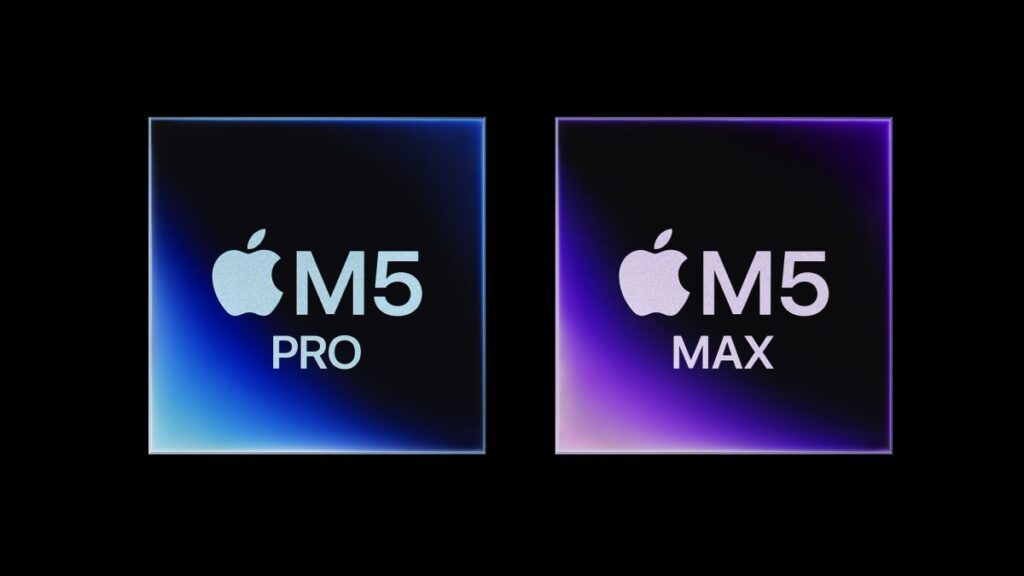
Table of Contents
A Strategic Pivot in Silicon
Apple is reportedly altering its long-standing silicon roadmap, opting to bypass the development of M6 Pro and M6 Max processors entirely. According to a report from Bloomberg, the company is shifting its engineering focus toward a new M7 series, a move that signals a fundamental change in how Apple prioritizes raw computing power versus specialized AI acceleration.
This departure from the incremental numbering system suggests that the leap from the current M5 generation to the projected M7 is not merely a naming quirk, but a structural necessity. By skipping the M6 cycle for its high-end chips, Apple appears to be consolidating its resources to solve a specific problem: the massive compute requirements of next-generation, on-device generative AI.
The M5 Pro and M5 Max, released in March and currently powering the 2026 MacBook Pro lineup, introduced the Fusion Architecture. That design leaned heavily on a hybrid core approach—utilizing an 18-core CPU configuration with 12 performance cores and six “high-performance super cores” to push single-threaded limits. However, as Large Language Models (LLMs) become more integrated into macOS, the bottleneck is shifting from CPU clock speeds to Neural Engine throughput and memory bandwidth.
The M7 Gamble: AI Over Incrementalism
The rumored M7 Pro and M7 Max, expected to debut in 2027, are designed to be the bedrock for a new era of “AI-first” computing. While previous M-series chips integrated a Neural Engine as a supporting component, the M7 architecture is expected to treat AI acceleration as a primary pillar of the chip’s design. This likely involves a significant increase in the number of NPU (Neural Processing Unit) cores and a redesign of the Unified Memory Architecture to handle the massive data weights required by advanced AI models without crippling battery life.
Industry insiders suggest that the M6 series may have offered diminishing returns in traditional performance. If the transition to a more advanced process node (potentially a refined 2nm or 3nm variant) didn’t offer a significant enough leap for the Pro and Max tiers, skipping the generation allows Apple to wait for a more transformative hardware breakthrough.
This strategy mirrors the pressure Apple faces from Qualcomm and Nvidia, where the hardware race is no longer just about who has the fastest CPU, but who can run a sophisticated AI agent locally without relying on the cloud. For the MacBook Pro, this means moving beyond simple image recognition or voice-to-text and toward fully autonomous, on-device agents capable of complex reasoning and real-time media generation.
Implications for the Mac Roadmap
For consumers, this means the current M5 Pro and Max chips will likely remain the “gold standard” for a longer window than usual. Those currently holding onto 2024 or 2025 models may find that the performance gap between the M5 and a hypothetical M6 would have been marginal, making the wait for the M7 a more logical investment.
However, this pivot leaves a gap in the product cycle. If Apple skips the M6 Pro and Max, it must ensure that the M5 generation remains competitive against the inevitable launch of new ARM-based Windows laptops. The risk is that the 2026 and 2027 MacBooks may rely on the same high-end silicon for an extended period, placing the entire weight of Apple’s “Pro” marketing on the eventual arrival of the M7 series.