Apple Raises MacBook Air Prices Just as Amazon Slashes M5 Model for Prime Day
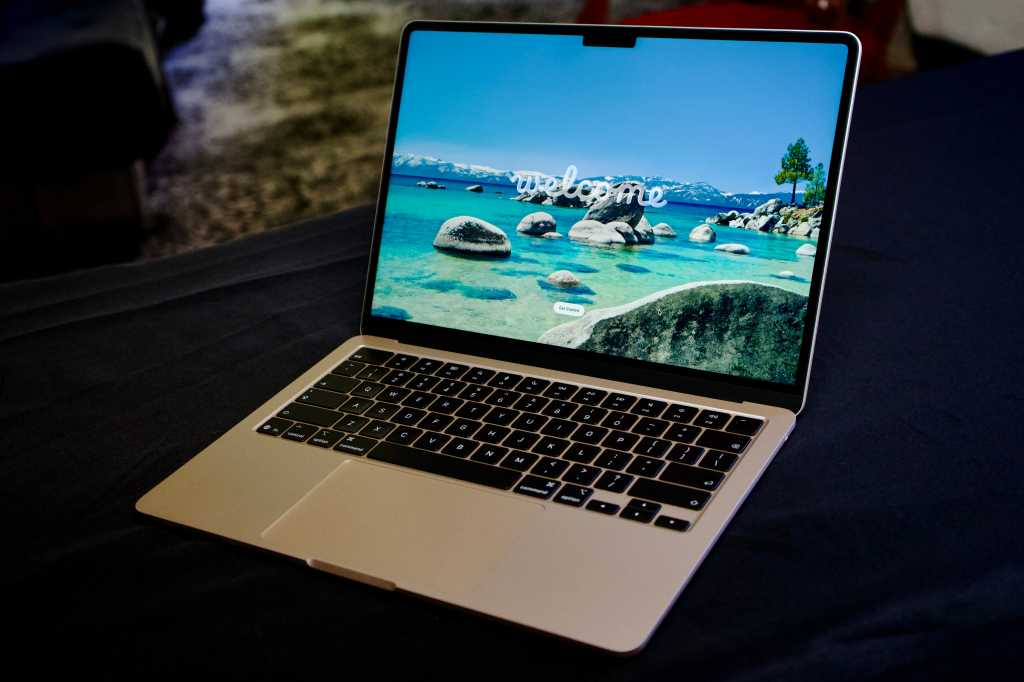
Table of Contents
A Sudden Shift in Apple’s Pricing Strategy
Apple has quietly implemented a significant price adjustment across its Mac and iPad portfolios, sending a ripple through the consumer electronics market. Most notable is the shift for the 13-inch MacBook Air, which has seen its base price jump from $1,099 to $1,299. While Apple rarely announces price hikes with the same fanfare as product launches, the $200 increase represents a aggressive move in a market already grappling with the rising costs of high-density memory components.
This pricing shift arrives at a precarious time for budget-conscious consumers. The industry has seen a steady climb in NAND flash and DRAM prices, which often forces manufacturers to either absorb the cost or pass it on to the end user. By raising the entry point for the MacBook Air, Apple is effectively repositioning the device further into the mid-range bracket, potentially alienating students and casual users who previously viewed the $1,099 price point as the ceiling for a premium ultraportable.
The Prime Day Arbitrage
While Apple’s official storefront now reflects the higher cost, a stark contrast has emerged on Amazon. In a timing coincidence that benefits the consumer, the 2026 M5 MacBook Air is currently discounted by 14% off its original $1,099 MSRP, bringing the current street price down to $949. This creates a massive $350 delta between the official Apple price and the current Amazon Prime Day offer.
For those tracking the value proposition of the M5 silicon, this discount makes the machine an outlier in the current laptop market. The M5 chip continues to deliver a level of efficiency that renders active cooling unnecessary, maintaining a silent operation while handling heavy browser loads and light 4K video editing without thermal throttling. The integration of faster unified memory means that application launch times and system responsiveness remain snappy, even when multitasking across demanding creative suites.
Evaluating the Hardware: Is the M5 Still the Right Choice?
Beyond the price volatility, the hardware itself remains a benchmark for the ultraportable category. The M5 MacBook Air utilizes a 53.8 watt-hour battery that, while not the largest in its class, benefits from the extreme efficiency of Apple’s silicon. Real-world testing shows the device consistently clearing 18 hours of mixed-use battery life, comfortably exceeding the requirements of a standard workday without needing a charger.
The storage architecture has also seen incremental improvements. The read/write speeds on the M5’s SSD are noticeably faster than previous generations, reducing the friction when moving large files or booting up resource-heavy software. When priced at $1,299, the Air is a competitive but expensive tool; however, at the $949 price point, it becomes an almost unbeatable value proposition compared to Windows-based alternatives in the same weight class.
With Prime Day ending Friday night, the window to avoid the new $1,299 price floor is closing. Once these retail inventories deplete, it is likely that third-party sellers will adjust their pricing to align more closely with Apple’s new MSRP, making this specific window one of the most significant pricing anomalies for the Mac lineup in recent years.