Sifting Through the Noise: The Prime Day Tech Deals Actually Worth Your Money
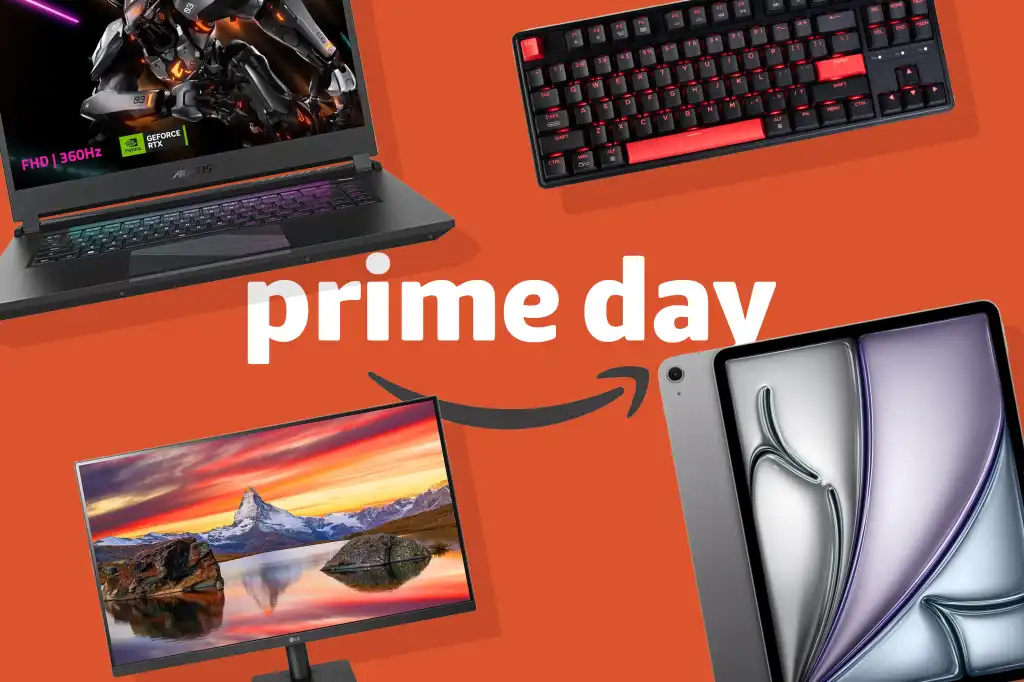
Table of Contents
Beyond the Countdown Timer
Amazon Prime Day is often framed as a frantic 48-hour scramble, but for the tech-literate consumer, it is less about the urgency and more about the arbitrage. With the event running from June 23 to June 26, the challenge isn’t finding a ‘sale’—Amazon is adept at moving decimal points to create the illusion of a bargain—but identifying hardware that maintains a high price-to-performance ratio after the discount.
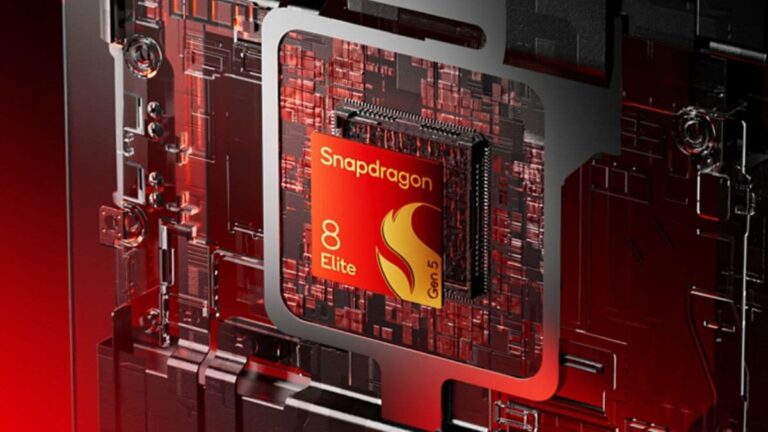
The most significant shift in this year’s hardware landscape is the aggressive push into ARM-based computing. The Microsoft Surface Laptop, now featuring the Snapdragon X Elite chip, has become a focal point of this event. With a steep $700 discount bringing the price to $1,229, it represents a pivot in how we view Windows laptops. The 16GB of RAM and promised 20-hour battery life aren’t just specs; they are an attempt to disrupt the MacBook Air’s dominance in the ultra-portable category. For professionals who prioritize endurance and a high-resolution PixelSense display over legacy x86 software compatibility, this is the standout value play of the window.
The Shift Toward Modular and Mini Computing
While traditional laptops dominate the headlines, a quieter trend is emerging in the mini PC sector. These devices are moving beyond simple home-office hubs into legitimate workstation territory. The GMKtec M8 is a prime example of this evolution. While its Ryzen 7 processor and DDR5 memory are impressive for the price point, the real technical win is the Oculink port. By allowing users to attach a discrete external GPU, the M8 effectively bridges the gap between a space-saving NUC and a full-blown gaming rig.
Similarly, the Kamrui Hyper H2 is targeting the productivity market with a generous 32GB of RAM and 1TB SSD for under $600. When you factor in the Core i5-14450HX processor and triple 4K display support, it’s less of a ‘budget PC’ and more of a condensed workstation. For those looking to build a clean, cable-managed desk setup, these mini PCs offer a higher utility-per-square-inch than traditional towers.
Peripherals: Where the Margins Matter
Monitor and docking station deals often fluctuate wildly, making it hard to tell if a ‘Prime price’ is actually the lowest price of the year. The Alienware AW3425DW ultrawide OLED is currently seeing a $265 discount, which is a rare instance of a premium, brand-name panel dipping into the territory of generic competitors. A 240Hz refresh rate combined with 3440×1440 resolution makes this a dual-threat tool for both high-refresh gaming and wide-canvas multitasking.
Connectivity has also seen a price correction. Ugreen has pivoted toward filling the gap between expensive first-party docks and cheap, unreliable hubs. Their Thunderbolt 4 Revodok Max delivers a necessary 96W of power delivery, while their 14-in-1 USB-C alternative targets those who need sheer port density—HDMI, DisplayPort, and SD readers—without paying the ‘Thunderbolt tax.’
The Logistics of the Hunt
To navigate these sales without buyer’s remorse, we recommend a data-driven approach. A listed ‘discount’ is meaningless without historical context. Using tracking tools like CamelCamelCamel or Keepa allows you to see if a product’s price was inflated in May just to be ‘discounted’ in June.
For those not already in the ecosystem, the entry point is the 30-day free trial, followed by a monthly fee of $14.99 or an annual $139 commitment. While the shipping and streaming perks (Prime Video, Music) are the hooks, the real value during this window is the exclusive access to limited-stock hardware drops. If you are hunting for high-demand items like the Surface or Alienware monitors, the membership is effectively a prerequisite for availability.