The $40 Portable Monitor Gamble: Is MNN’s Prime Day Price Drop Too Good to Be True?
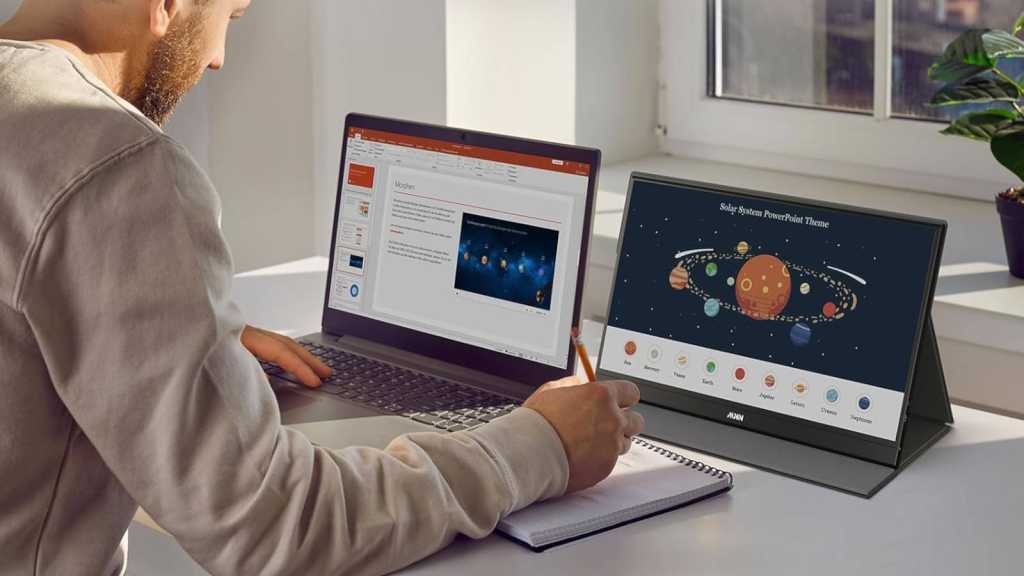
Table of Contents
The Race to the Bottom of Portable Displays
In the current hardware market, the ‘portable monitor’ has transitioned from a niche luxury for digital nomads to a standard productivity tool for hybrid workers. While high-end options from LG or ASUS often command premiums for OLED panels and color accuracy, a new tier of ultra-budget displays is emerging. The latest example is a 15.6-inch 1080p display from MNN, which has seen a dramatic price collapse during the Prime Day window, bottoming out at just $39.99.
To put this in perspective, most entry-level portable monitors typically hover between $80 and $150. A sub-$40 price point isn’t just a discount; it’s a strategic liquidation or a loss-leader play. For the user, it transforms a considered purchase into an impulse buy, but it also raises questions about build quality and long-term reliability.
Technical Specifications and Connectivity
On paper, the MNN monitor provides the basics: a 15.6-inch panel with a Full HD (1920×1080) resolution. It employs a USB-C interface for both signal and power, which is the modern standard for ‘single-cable’ setups. MNN includes the necessary USB-C cable in the box, which is a small but necessary convenience.
However, there is a critical nuance regarding power delivery. While the monitor features a second USB-C port specifically for an external power supply, one is not included. For users with Thunderbolt 3 or 4 ports, or high-wattage USB-C PD (Power Delivery) ports, the laptop can often power the screen directly. For those using older hardware or power-constrained laptops, an external wall plug will be mandatory to avoid flickering or sudden shutdowns.
The unit is supported by a traditional ‘smart cover’—a foldable magnetic flap that serves as both a protective shield and a kickstand. While effective, these covers are prone to wear and can sometimes fail to hold the screen at steeper angles on uneven surfaces.
The ‘White Label’ Reliability Factor
MNN is not a household name in the way Dell or HP are. It operates primarily in the third-party marketplace ecosystem, where brand loyalty is secondary to spec-sheets and star ratings. With over 11,000 Amazon customers providing an aggregate score of 4.3, the consensus suggests that the hardware performs as advertised for the vast majority of users.
At this price point, you aren’t paying for a brand ecosystem or a comprehensive warranty; you are paying for the raw panel. The integrated speakers are included, but expectations should be kept low. In the realm of ultra-thin portable displays, speakers are often an afterthought, delivering tinny audio that is sufficient for system alerts but inadequate for media consumption without headphones.
Who Should Actually Buy This?
The value proposition here isn’t about professional-grade color grading or gaming at 144Hz. Instead, it’s about screen real estate. The ability to offload Slack, Outlook, or a reference PDF to a second screen while maintaining a primary workspace on a laptop can measurably increase output for developers, writers, and administrative professionals.
Given the $39.99 price tag, the risk-to-reward ratio is heavily skewed in favor of the consumer. Even if the panel exhibits minor backlight bleed or the plastics feel lightweight, the utility of a second 1080p screen for the cost of a few takeout meals is difficult to ignore. For those who frequently travel or work from cafes, this represents the lowest possible barrier to entry for a dual-monitor workflow.