The ‘Kidult’ Surge: Why Beyblades are Dominating Adult Social Spaces in Asia
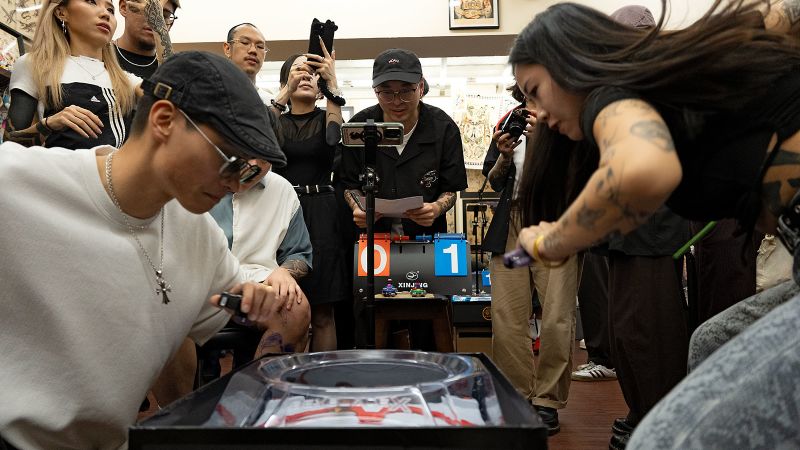
Table of Contents
From Ink to Iron: The Unlikely Hubs of the Beyblade Revival
In a dimly lit tattoo parlor in the heart of Hong Kong’s Wan Chai district, the usual sound of buzzing needles has been replaced by the violent clashing of steel and plastic. The 59 Tattoo, typically a sanctuary for permanent art, has transformed into a makeshift coliseum. Here, the clientele isn’t looking for dragons or tigers; they are adults in their 30s engaging in high-stakes battles with Beyblades.
These customizable spinning tops, first popularized by Japanese toymaker Takara in the late 1990s, have triggered a massive cultural resurgence across Asia. From the shopping malls of Taiwan to the public parks of Thailand and Hong Kong, the “Beys”—as enthusiasts call them—are no longer just the province of elementary school students. For players like 28-year-old Tiff Tam, the appeal lies in a visceral mix of tactical customization and raw competitiveness. Tam, who has already spent nearly $400 on her arsenal, describes the experience as a sudden rush of tension and excitement that defies the toy’s simplistic appearance.
The Mechanics of Nostalgia and the ‘Kidult’ Economy
The game is deceptively simple: players launch their customized tops into a “stadium” (a pizza-sized plastic basin), and the last top spinning or the one that forces the opponent out of the ring wins. However, the depth comes from the engineering. Modern Beys are highly modular, allowing users to swap parts to optimize for attack, defense, or stamina. This technical layer has attracted a demographic that views the toys as precision instruments rather than mere playthings.
This trend is a primary example of the “kidult” phenomenon—a market segment where adults purchase toys and collectibles traditionally marketed to children. According to Leo Tsoi, CEO of Toys “R” Us, the demand surge is unprecedented. In Hong Kong, the retailer has reported a staggering 14-fold increase in Beyblade sales year-on-year. Tsoi attributes this growth to the viral nature of social media, where clips of high-impact battles reach millions, and the inherent equalizer of the game: a 9-year-old can realistically defeat a 39-year-old, creating a unique social dynamic that transcends generational divides.
Beyond the Toy: A Response to Digital Isolation
The revival isn’t just about a product; it’s a reaction to a hyper-digital existence. In suburban parks like Tseung Kwan O, makeshift battle stations have become social anchors. Players gather for “winner-stays-on” matches, mimicking the culture of street basketball. For many, these physical interactions provide a relief from the smartphone-centric nature of modern social life.
Marcus Yuen, the 36-year-old founder of The 59 Tattoo, views the tournaments as a way to reclaim a lost childhood. He notes that while adults typically set toys aside as they mature, the act of returning to them in a community setting fosters a “pure kind of happiness.” This sentiment is echoed by players like Tria John Bernard Benito, 30, who missed out on the original craze due to the cost of the toys as a child. For him, the ability to purchase these items with adult income is a form of retrospective fulfillment.
A Shifting Global Market Strategy
The pivot toward adult consumers is not limited to Asia. The toy industry globally is recalibrating its strategy to cater to the kidult market. In the United States, data from early 2024 indicates that consumers aged 18 and older have overtaken preschoolers as the largest segment of toy buyers. This shift has breathed new life into other legacy brands, including Lego, Tamagotchi, and Pokémon cards, as Millennials and Gen X seek tangible, tactile experiences to counter the abstraction of the digital economy. The scarcity of certain rare models has even spawned a secondary market, with scalpers selling rare Beys for up to $80—ten times their original retail price.