The Trillion-Dollar Threshold: How Volatility is Keeping Elon Musk from the World’s First Trillionaire Status
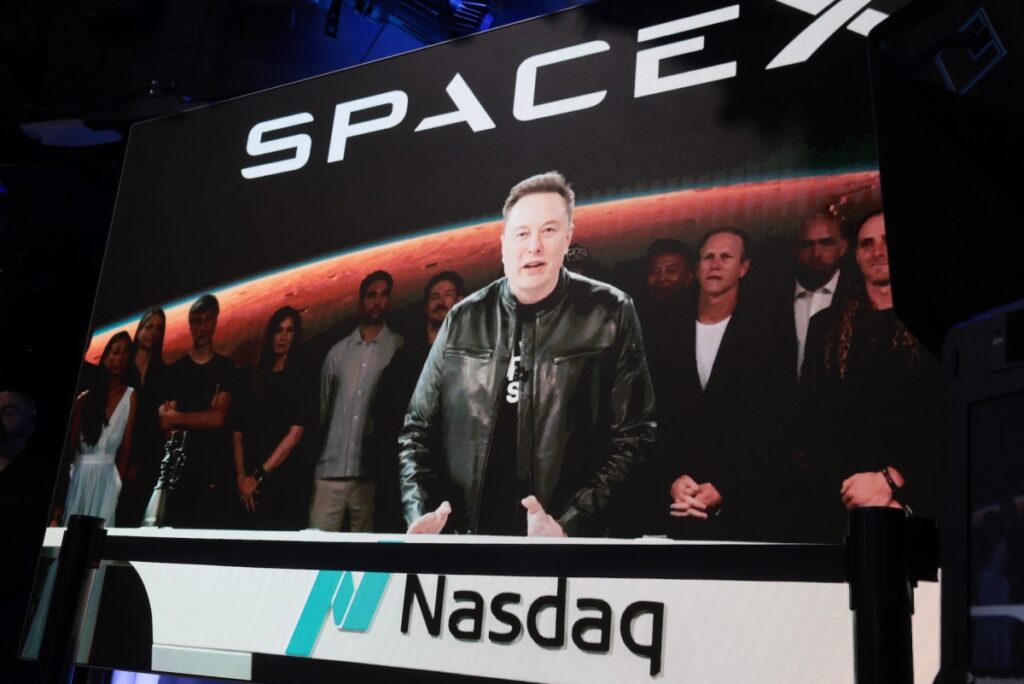
Table of Contents
The Fluctuating Math of Extreme Wealth
For the first time in economic history, the threshold of a trillion-dollar net worth has shifted from a theoretical impossibility to a tangible, albeit fleeting, milestone. Elon Musk, the CEO of Tesla and SpaceX, has spent the last several months hovering on the periphery of this designation, with his financial standing swinging wildly based on the perceived value of his private and public enterprises.
The conversation surrounding Musk’s wealth intensified following recent developments at SpaceX. As the aerospace company’s valuation climbed—driven by the continued success of the Falcon 9 and the progress of the Starship program—Musk briefly crossed the trillion-dollar mark in theoretical value. This peak was more than just a number on a spreadsheet; it served as a psychological marker for the era of ‘hyper-wealth,’ where the scale of individual assets begins to rival the GDP of mid-sized nations.
However, the reality of Musk’s fortune is tied to the inherent instability of equity. Unlike cash in a bank, the majority of Musk’s wealth is locked in shares of Tesla, SpaceX, and X (formerly Twitter). According to the Bloomberg Billionaires Index, a slight dip in Tesla’s stock price or a recalibration of SpaceX’s internal funding rounds can wipe out tens of billions of dollars in paper wealth in a single trading session. This volatility means that while Musk may be the first human to technically hit the trillion-dollar mark, he has yet to maintain a stable residency at that level.
The SpaceX Engine and the Tesla Anchor
SpaceX has become the primary driver of this upward trajectory. Because SpaceX remains a private company, its valuation is determined by secondary market sales and funding rounds rather than a public ticker. This creates a lagging effect where Musk’s net worth may spike significantly after a successful launch or a government contract win, only to be countered by the public market’s reaction to Tesla’s quarterly deliveries.
The interplay between these two entities is critical. Tesla provides the public liquidity and the high-profile visibility, but SpaceX provides the exponential growth potential. When the two align, Musk’s wealth accelerates toward the trillion-dollar ceiling. When they diverge—such as during periods of EV market saturation or regulatory scrutiny over Full Self-Driving (FSD) capabilities—the trillion-dollar dream recedes.
The Logistics of a Trillion-Dollar Portfolio
Maintaining a trillion-dollar valuation requires more than just a successful product; it requires a sustained market narrative of undisputed dominance. For Musk, this narrative is built on the promise of multi-planetary life and the transition to sustainable energy. However, the financial burden of these ambitions is immense. The capital expenditure required to make Mars a reality via Starship is astronomical, often requiring the very liquidity that Musk’s paper wealth suggests he possesses but which is actually tied up in shares.
Furthermore, the acquisition of X has introduced a volatile variable into the equation. The social media platform’s fluctuating ad revenue and rebranding efforts have created a drag on his overall portfolio, often acting as a counterbalance to the gains made in the aerospace sector.
While the media often focuses on the prestige of the trillionaire title, the underlying economic reality is one of extreme leverage. Musk’s ability to influence markets through a single post ensures that his net worth remains as reactive as the platforms he owns, making the journey to a stable trillion-dollar status a battle against the very volatility that created it.