How to Watch WWDC 2026 Live: Apple’s AI Pivot and the iOS 27 Roadmap
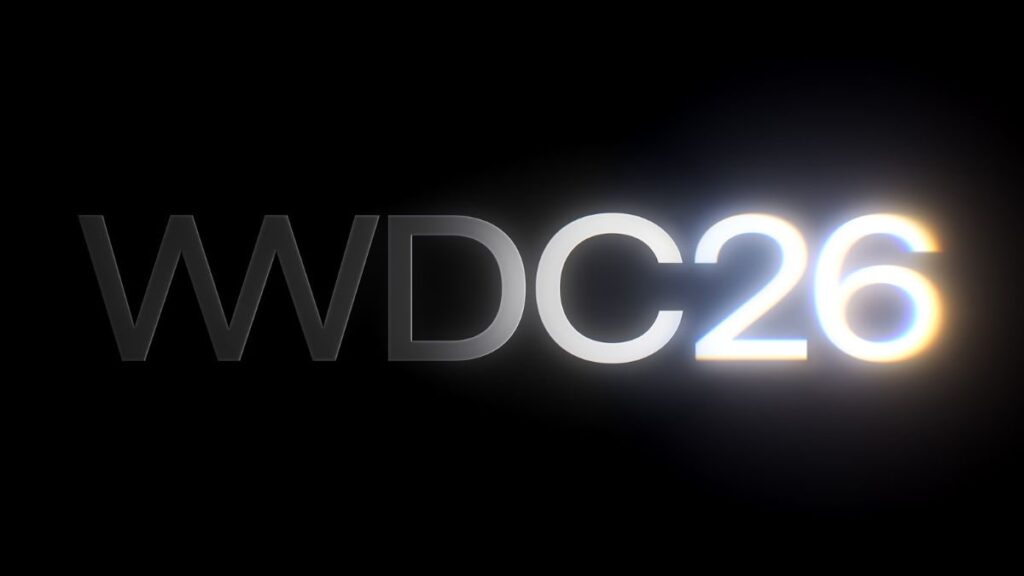
Table of Contents
The Countdown to Cupertino: Tuning Into WWDC 2026
Apple’s Worldwide Developers Conference (WWDC) is no longer just a meeting for the engineers who build the apps we use; it has evolved into the most anticipated consumer electronics event of the year. As the 2026 event kicks off, the stakes are remarkably high. Apple isn’t just launching a new version of its operating systems—it is attempting to redefine its identity in the age of generative AI.
- Official Apple Website: The primary hub for all keynotes and session recordings.
- Apple TV App: Available on Apple TV, Mac, iPhone, and iPad for a high-bitrate experience.
- YouTube: The most accessible option for global viewers via the official Apple channel.
- Apple Developer App: The best route for those looking for deep-dive technical sessions following the keynote.
This year’s conference marks a critical transition. While Tim Cook remains the face of the company for now, industry insiders and leaked organizational charts suggest a gradual handoff to John Ternus. The presence of Ternus during the 2026 keynote will be closely watched by analysts as a signal of Apple’s shift from the ‘operational’ era of Cook to a more ‘product-centric’ era focused on hardware-software integration.
Where to Watch WWDC 2026 Live: A Step-by-Step Guide
For most users, the easiest way to watch WWDC 2026 live is through the official Apple channels. The company typically streams the main keynote in 4K resolution, ensuring that every pixel of the new UI designs is visible.
The Official Apple Website
The most reliable method is visiting apple.com. The site typically transforms into a dedicated event landing page. This is the best place to find the ‘Apple Events’ calendar to add the keynote to your personal schedule, ensuring you don’t miss the 10:00 AM PT start time.
The Apple TV App
If you own an Apple TV 4K or use the app on a Mac, this provides the most immersive experience. The Apple TV app often supports higher bitrates than web-based streams, meaning less compression and a cleaner image—crucial for spotting subtle design changes in iOS 27.
YouTube and Social Platforms
For those without Apple hardware, the official Apple YouTube channel is the gold standard. It offers the stability of Google’s infrastructure and the ability to engage with a live community in the comments section. While Apple does not usually stream on X (formerly Twitter) or Facebook, third-party tech outlets often host watch parties.
The Core Focus: iOS 27 and the AI Imperative
While the hardware updates are always a draw, the software reveals are the heart of WWDC. iOS 27 is expected to be the vehicle for Apple’s most ambitious software shift since the introduction of the App Store.
The Siri Evolution: From Voice Command to Agent
For nearly two years, Apple has been playing catch-up with the rapid deployment of Large Language Models (LLMs) from Google and OpenAI. Siri has long been criticized for being a “timer and weather app” rather than a true assistant. In iOS 27, we expect a fundamental architectural shift. Instead of simple intent-matching, Siri is predicted to leverage a localized, on-device LLM that understands context across different apps.
Technically, this involves Semantic Indexing—where Siri doesn’t just see a list of files, but understands that “the flight details from my email” relates to “the hotel reservation in my calendar.” This level of cross-app intelligence is what Apple calls “Apple Intelligence,” and 2026 is the year it must move from a novelty to a utility.
Expected iOS 27 Features
Based on current developer beta patterns and industry leaks, we anticipate the following in iOS 27:
- Dynamic Home Screen 2.0: A more fluid layout that suggests widgets based on time, location, and biometric data.
- System-wide Generative Fill: The ability to edit photos and videos using natural language prompts directly within the Photos app.
- Enhanced Interoperability: Deeper integration between the Vision Pro ecosystem and the iPhone, allowing for seamless ‘screen mirroring’ to spatial environments.
- Privacy-First AI: The continued use of Private Cloud Compute, ensuring that AI requests are processed without Apple storing the user’s data.
The Leadership Transition: Cook to Ternus
The potential appearance of John Ternus in a prominent role is not just a corporate formality. Ternus has spent years overseeing hardware engineering, and his rise reflects Apple’s need to innovate at the silicon level to support AI. Running LLMs on-device requires massive NPU (Neural Processing Unit) efficiency, and Ternus is the architect behind much of this hardware synergy.
“The transition from a CEO who manages a supply chain to one who manages a product roadmap is a pivotal moment for any tech giant. Apple is moving from the era of refinement to the era of reinvention.” — Market Analysis, Tech Insights 2026.
What This Means for the Average User
For the person who just wants their phone to work better, the 2026 announcements signify a shift in how we interact with technology. We are moving away from the “app-centric” model (where you open an app to do a task) to an “intent-centric” model (where you tell your device what you want, and the OS handles the apps in the background).
Practical Implications:
- Reduced Screen Time: If Siri can actually execute complex tasks (like “find the best time for a 30-minute call with Sarah and book a room at the cafe nearby”), we spend less time scrolling through calendars and maps.
- Hardware Longevity: While AI features often push users toward new phones, Apple’s commitment to on-device processing means that the 2026 updates will likely target the A17 and A18 Pro chips, keeping older devices relevant longer.
- Privacy Paradox: Users will have to decide if the convenience of an all-knowing assistant outweighs the theoretical risk of an AI having access to every single one of their emails and messages.
Technical Breakdown: The AI Stack
| Feature | Legacy Approach (Siri) | 2026 Approach (Apple Intelligence) |
|---|---|---|
| Processing | Cloud-reliant, rigid scripts | Hybrid: On-device NPU + Private Cloud Compute |
| Context | Single-turn interactions | Multi-modal, cross-app semantic awareness |
| Privacy | Data sent to servers for processing | Local processing with end-to-end encrypted relays |
| Interface | Voice-first, text-second | Integrated visual and voice agency |
A Note on Data and Statistics
Recent industry data from 2025 indicates that 64% of smartphone users now prefer AI-integrated search over traditional keyword search. Apple’s urgency to overhaul Siri is driven by this metric. If Apple fails to deliver a competitive AI experience in iOS 27, they risk losing the ‘power user’ demographic to the Google Pixel and Samsung Galaxy series, which have already integrated Gemini and Galaxy AI deeply into their cores.
FAQ: Everything You Need to Know About WWDC 2026
How do I watch WWDC 2026 for free?
All main keynotes are streamed for free on Apple’s official website, the Apple TV app, and the official Apple YouTube channel. You do not need a paid subscription to watch the event.
When will iOS 27 be available for download?
Following the WWDC announcement, a Developer Beta is usually released immediately. A Public Beta typically arrives in July, with the full official release for all users launching in September alongside the new iPhone lineup.
Will older iPhones support the new AI features?
Apple generally restricts the most advanced AI features to devices with the most capable Neural Engines. It is likely that iOS 27 AI features will require at least an iPhone 15 Pro or newer to function effectively on-device.
Is WWDC 2026 open to the public?
The conference is primarily for registered developers. However, the keynote is streamed globally, and Apple often hosts limited community events at its Apple Park campus for selected developers.
What is the difference between the Keynote and the Sessions?
The Keynote is the high-production ‘show’ where new products and OS features are revealed. The Sessions are technical deep-dives, workshops, and API explanations intended for software engineers to learn how to implement the new features in their own apps.