Asus Expands 2026 Portfolio in India: ROG Zephyrus Duo, G14, G16, and ProArt PZ14 Hit the Market
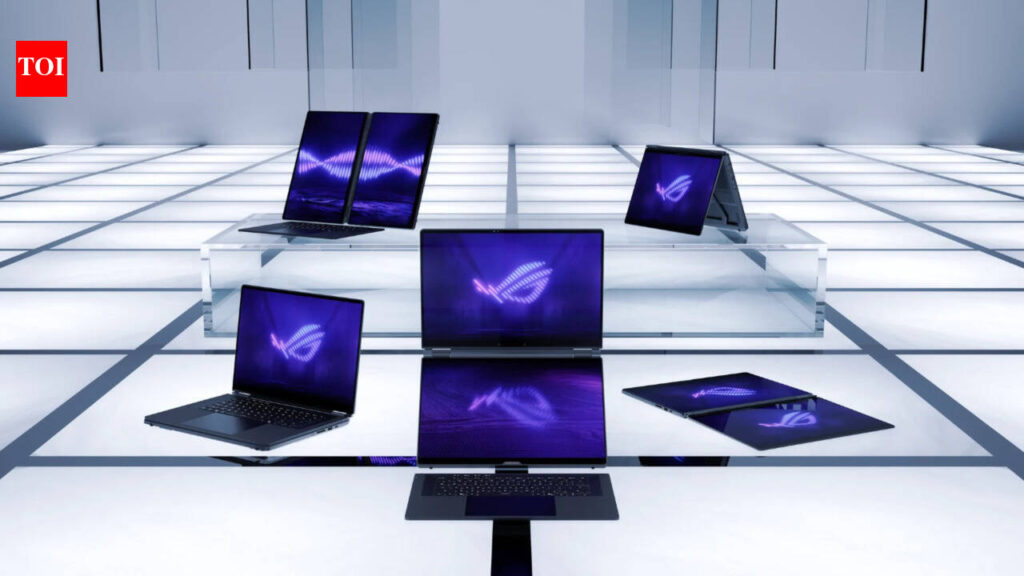
Table of Contents
A Strategic Push into India’s Premium Compute Market
Asus has officially expanded its high-performance laptop lineup in India, bringing a diverse array of machines tailored for the most demanding users. The launch includes the dual-screen ROG Zephyrus Duo, the portable yet powerful G14 and G16, the creator-centric ProArt PZ14, and the entry-level performance TUF A14. This move comes as the Indian gaming and creative professional market continues to shift toward ‘thin-and-light’ powerhouses that don’t sacrifice thermal headroom for portability.
- ROG Zephyrus Duo: The flagship dual-screen multitasking beast for power users.
- G14 & G16: Refined balances of portability and raw GPU power for gamers and streamers.
- ProArt PZ14: A specialized tool for digital artists and architects featuring a high-color accuracy display.
- TUF A14: A durable, more accessible entry point into the Ryzen-powered gaming ecosystem.
The Dual-Screen Powerhouse: ROG Zephyrus Duo
The Zephyrus Duo remains one of the most ambitious designs in the laptop world. Unlike standard laptops, it features a secondary ScreenPad Plus that acts as a tactile control center. For developers, this means having a dedicated terminal or debugger open while coding on the primary 16-inch display. For gamers, it serves as a hub for Discord, OBS, or system monitoring tools without needing a second physical monitor.
Technically, the 2026 iteration focuses on thermal management. The dual-screen hinge is designed to lift the keyboard, allowing for increased airflow to the chassis. This addresses a common complaint in previous generations where the secondary screen occasionally trapped heat. The integration of NVIDIA’s latest RTX 50-series (or updated 40-series equivalents for regional SKUs) ensures that the Duo can handle 4K rendering and AAA gaming titles at ultra settings.
Sizing Up the G14 and G16
The ROG Zephyrus G14 continues to be the gold standard for 14-inch gaming laptops. It targets the ‘digital nomad’ gamer—someone who needs a machine that fits in a backpack but can still run Cyberpunk 2077 or Starfield at high frames per second. The G14’s strength lies in its efficiency-to-power ratio, leveraging the latest AMD Ryzen processors to maintain battery life during non-gaming tasks.
In contrast, the Zephyrus G16 is for those who find 14 inches too restrictive. The larger chassis allows for a more aggressive cooling solution, which typically translates to higher sustained clock speeds for the GPU. If you are editing 4K video or working with large 3D datasets in Blender, the G16 provides the necessary thermal overhead to prevent thermal throttling during long render cycles.
Comparative Specifications: G14 vs G16
| Feature | ROG Zephyrus G14 | ROG Zephyrus G16 |
|---|---|---|
| Primary Use | Portability & High Performance | Sustained Power & Screen Real Estate |
| Display | 14″ Nebula HDR | 16″ Nebula HDR |
| Thermal Design | Compact Vapor Chamber | Expanded Tri-Fan System |
| Battery Life | Higher Efficiency (Mixed Use) | Moderate (Performance Focused) |
ProArt PZ14: Engineering for Creatives
The ProArt PZ14 is a departure from the aggressive ‘gamer’ aesthetic. It is built for the professional who requires color accuracy and a stylus-driven interface. The PZ14 is specifically calibrated for the sRGB and DCI-P3 color spaces, making it essential for photographers and graphic designers who cannot afford color shift between their laptop and a professional monitor.
The inclusion of a dedicated dial or haptic input for software like Adobe Photoshop and Premiere Pro allows for a level of precision that a standard trackpad cannot provide. By positioning the PZ14 alongside the ROG line, Asus is acknowledging that the line between ‘high-end gaming’ and ‘professional creation’ has blurred; both require the same underlying hardware—high VRAM and multi-core processing power.
TUF Gaming A14: The Durable Entry Point
While the Zephyrus line is about luxury and bleeding-edge tech, the TUF A14 is about resilience. Built to MIL-STD-810H military standards, the A14 is designed for students and entry-level professionals who need a machine that can survive the rigors of daily commuting.
The ‘A’ in A14 signifies the AMD Ryzen platform, which generally offers better multi-threaded performance and better battery efficiency compared to some Intel counterparts in this price bracket. This makes the TUF A14 an ideal ‘first gaming laptop’ for those who want a reliable machine without the premium price tag of the Zephyrus series.
What This Means for the Indian Consumer
For the Indian market, this launch signifies two major trends. First, the democratization of high-end hardware. By offering the TUF A14 alongside the Zephyrus Duo, Asus is capturing both the budget-conscious student and the ultra-wealthy enthusiast.
Second, the shift toward specialized compute. We are moving away from the ‘one size fits all’ laptop. A user today chooses a PZ14 because they are an artist, not just because they want a ‘fast laptop.’ The availability of these specific SKUs in India shows that Asus views the local market as mature enough to demand professional-grade creative tools and niche dual-screen setups.
Practical Impact for Users
- For Freelancers: The PZ14 provides a studio-grade experience on the go, reducing the need for external monitors during client meetings.
- For Hardcore Gamers: The Zephyrus Duo offers a way to stream and manage chat without needing a dual-monitor desk setup, which is ideal for smaller apartment living.
- For Students: The TUF A14 provides a balance of durability and power, suitable for both engineering software (AutoCAD, MATLAB) and gaming.
Technical Analysis: Thermals and Performance
One of the critical areas where Asus has improved in 2026 is the Liquid Metal application on the CPU. By replacing traditional thermal paste with a gallium-based alloy, Asus has managed to drop peak temperatures by several degrees, allowing the processors to maintain ‘Turbo’ speeds for longer periods. This is particularly evident in the G14, where heat is always the primary bottleneck due to the small chassis.
Furthermore, the transition to LPDDR5X memory across these lines ensures that the integrated memory bandwidth is high enough to feed the latest GPUs, reducing stutter in open-world games and speeding up the scrubbing process in high-resolution video timelines.
Frequently Asked Questions
Which is better for video editing: Zephyrus G16 or ProArt PZ14?
If your priority is raw rendering speed and a larger screen, the G16 is superior. However, if you require a touch-screen interface, a stylus, and guaranteed color accuracy for print or broadcast, the ProArt PZ14 is the correct tool.
Is the ROG Zephyrus Duo worth the extra cost?
The Duo is a productivity tool first and a gaming laptop second. If you frequently multitask or stream, the second screen is a massive efficiency gain. If you only play games, you would get more raw power for your money from a G16.
How does the TUF A14 compare to the Zephyrus G14?
The Zephyrus G14 is the ‘premium’ version—lighter, better screen, and more elegant. The TUF A14 is the ‘rugged’ version—slightly bulkier but more durable and generally more affordable.
Does the ProArt PZ14 support 4K external monitors?
Yes, the ProArt series typically includes Thunderbolt 4 or high-bandwidth USB-C ports capable of driving multiple 4K 60Hz displays, essential for professional workstations.
Where can I pre-order these laptops in India?
Pre-orders are typically available through the official Asus India e-store, as well as major retailers like Amazon India and Flipkart, though availability varies by city.
Final Verdict on the 2026 Lineup
Asus has effectively segmented its 2026 offerings to ensure there is no overlap that confuses the consumer. The Zephyrus Duo remains the ‘halo’ product, pushing the boundaries of what a laptop form factor can do. The G-series continues to dominate the high-performance portable space, while the ProArt and TUF lines secure the professional and entry-level flanks. For the Indian consumer, the choice now depends less on ‘budget’ and more on ‘workflow’—whether that workflow involves a digital canvas, a gaming stream, or a classroom environment.