Xiaomi Pushes Mini-LED Ambitions in India With Upcoming FX Series Launch
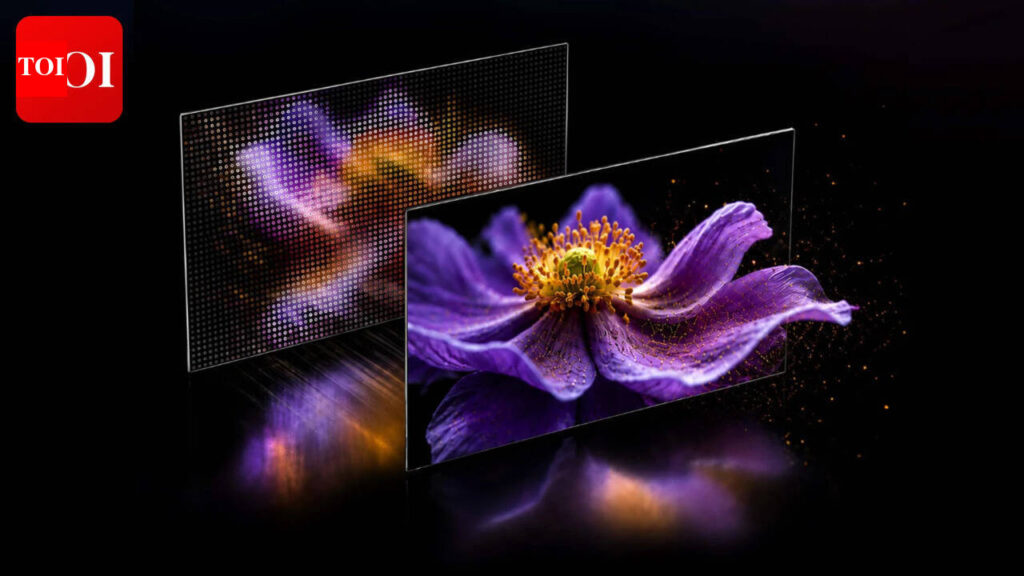
Table of Contents
The Pivot to Premium Display
Xiaomi is preparing to pivot its television strategy in India, shifting focus from sheer volume to high-end display technology. The company has officially set June 4 for the launch of the TV FX Mini LED series, a move that signals a direct challenge to established premium players like Samsung and Sony in the subcontinent’s growing appetite for high-dynamic-range (HDR) content.
While Xiaomi has long dominated the budget and mid-range segments with its Mi TV and Xiaomi TV lineups, the FX series represents a more aggressive push into Mini-LED territory. Unlike standard LEDs, Mini-LEDs use significantly smaller diodes to allow for more precise local dimming zones, effectively bridging the gap between traditional LED-LCDs and the deeper blacks of OLED panels without the risk of permanent burn-in.
Strategic Timing and Market Positioning
The June 4 launch window is tactically significant. By introducing the FX series now, Xiaomi is positioning itself to capture the early summer demand and set the stage for the massive festive shopping season that typically peaks in Q3 and Q4 in India. Industry analysts suggest that Xiaomi is attempting to move away from the “budget brand” perception by introducing hardware that competes on technical specifications rather than just price points.
Reports indicate that the FX series will likely leverage a high peak brightness—likely exceeding 1,000 nits—to make it an ideal candidate for bright Indian living rooms where glare is a persistent issue. The integration of a sophisticated dimming algorithm will be the key metric for success here; the goal is to eliminate “blooming” (the halo effect around bright objects on dark backgrounds) which has plagued previous attempts at budget-friendly Mini-LEDs.
Software Integration and the Ecosystem Play
Hardware alone won’t be the driver for the FX series. The televisions are expected to ship with a refined version of Google TV, focusing heavily on the Google TV ecosystem and Xiaomi’s own HyperOS integration. This connectivity allows the TV to act as a central hub for Xiaomi’s sprawling IoT portfolio, from smart lighting to air purifiers, which the company is aggressively pushing in urban Indian markets.
Technical specifications are expected to include support for Dolby Vision and Atmos, catering to the increasing number of users subscribing to high-bitrate streaming services like Netflix and Disney+ Hotstar. If Xiaomi can price the FX series competitively—undercutting the top-tier Neo QLEDs from competitors while maintaining high panel quality—it could trigger a price war in the premium segment.
The Competitive Landscape
Xiaomi enters this fray at a time when the Indian TV market is seeing a surge in Mini-LED adoption. Brands like Hisense and TCL have already begun flooding the market with similar technology, often using aggressive pricing to gain market share. Xiaomi’s advantage lies in its existing service network and brand recall in India, which is far superior to some of the newer entrants.
The success of the TV FX series will likely depend on whether Xiaomi views this as a prestige project to build brand equity or a volume driver. If the latter, we can expect a tiered rollout with multiple screen sizes, ranging from 55 to 75 inches, ensuring there is a Mini-LED option for various room sizes and budgets.