Houthi Rebels Declare Red Sea Blockade as Iran and Israel Trade Missile Strikes
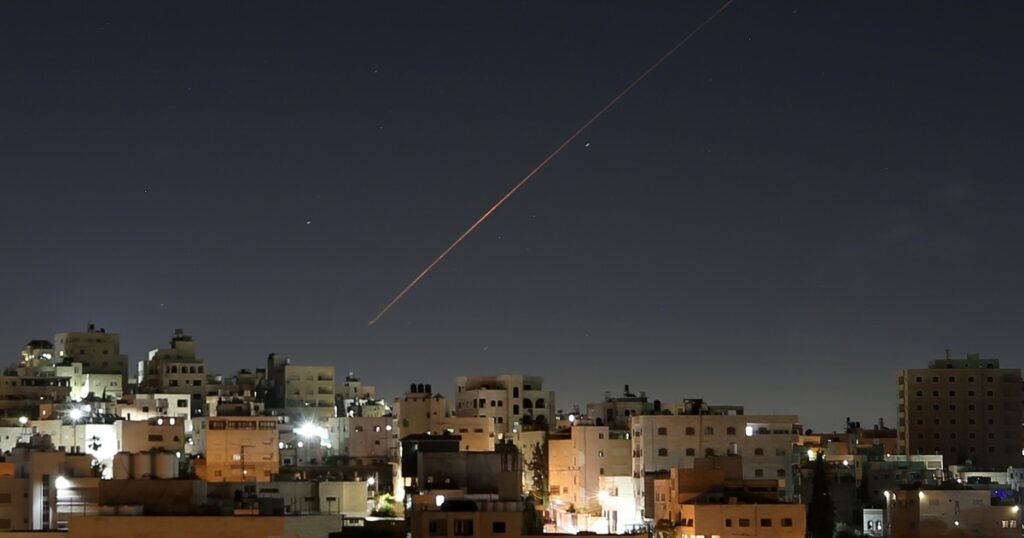
Table of Contents
A New Front in the Red Sea
Yemen’s Houthi rebels have escalated their involvement in the regional conflict, claiming a barrage of missile strikes against targets in Jaffa and announcing a “complete and total ban” on Israeli maritime navigation in the Red Sea. The announcement comes as a critical pivot for the group, which has largely remained on the periphery of the direct confrontation between Tehran and Jerusalem until now.
The move to block Israeli-affiliated vessels is not merely a symbolic gesture; it represents a direct threat to global shipping lanes that have already faced significant disruption over the past year. By formalizing a blockade, the Houthis are leveraging their strategic position along the Bab al-Mandab Strait to exert pressure on Israeli logistics and international trade, effectively widening the theater of war.
The IRGC’s Strategic Precision
The Houthi escalation coincides with a series of high-stakes exchanges between the Islamic Revolutionary Guard Corps (IRGC) and the Israel Defense Forces (IDF). In a statement released via X (formerly Twitter), the IRGC claimed it successfully targeted key facilities at two major Israeli installations: the Nevatim Airbase in the Negev desert and the Tel Nof Airbase in the Central District.
The IRGC framed these operations as a direct response to Israeli “missile aggression” against Iranian radar sites. The rhetoric from Tehran remains defiant, with the IRGC Aerospace Force claiming that the skies over the region are now “under our control.” These strikes mark some of the most direct confrontations between the two nations since the fragile ceasefire agreements facilitated by Washington were put into effect.
Interceptions and Infrastructure Damage
The IDF has confirmed that multiple rounds of missiles were launched from Iran, triggering widespread alerts across Israel. While the Israeli military stated that defensive systems are actively operating to intercept the threats, the scale of the launch forced civilians in several regions to seek immediate shelter via cellphone alerts.
According to Yechiel Leiter, Israel’s ambassador to the U.S., Iran launched 11 ballistic missiles. While Magen David Adom, Israel’s emergency services, reported no immediate casualties from the impacts, they did treat several individuals in the West Bank who were injured while rushing to protected areas. In retaliation, the IDF struck a petrochemical facility in Mahshahr, located in southwestern Iran. Valiollah Hayati, the deputy governor for security affairs in Khuzestan Province, confirmed that the strikes caused damage to the facility, though a full assessment of casualties and structural loss is still pending.
Geopolitical Friction and the Trump Factor
The timing of these strikes is particularly fraught, occurring shortly after President Donald Trump indicated in an interview with Axios that he would advise Israel against retaliating against Tehran. This tension between U.S. diplomatic efforts and the operational realities on the ground has created a volatile vacuum.
The U.S. Embassy in Jerusalem has reacted to the instability by ordering government employees and their families to shelter in place and closing its consular sections in Jerusalem and Tel Aviv. The embassy’s security alert emphasizes the volatility of the current environment, urging staff to follow the Israeli Home Front Command’s instructions immediately upon hearing “red alert” sirens.
As the conflict evolves, the focus now shifts to whether the Houthi blockade will prompt a renewed international naval coalition to secure the Red Sea or if the direct exchange between Iran and Israel will escalate into a broader regional war involving Hezbollah in Lebanon, a possibility hinted at by Ambassador Leiter’s warnings regarding targets in the Diriya district of Beirut.