Oppo Pad 6 Debuts in China: Dimensity 9500s and a Massive Battery Push
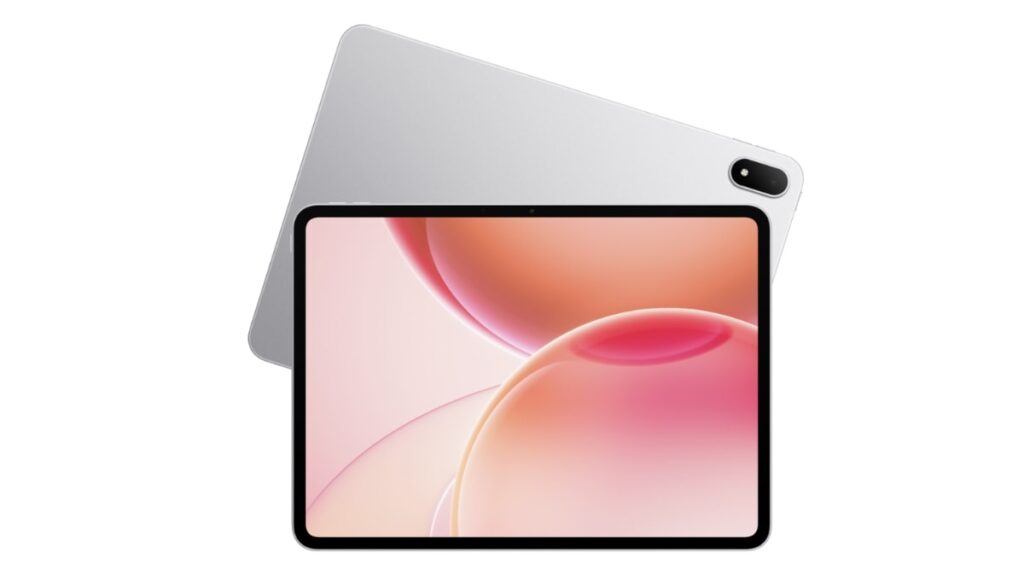
Table of Contents
A Strategic Shift in Silicon
Oppo has officially expanded its tablet portfolio with the launch of the Pad 6 in China, signaling a clear move toward higher performance ceilings and longer endurance. While the previous generation focused on slim aesthetics, the Pad 6 is built around a more aggressive hardware profile, headlined by the MediaTek Dimensity 9500s chipset.
The choice of the Dimensity 9500s is particularly noteworthy. By opting for MediaTek’s latest silicon, Oppo is positioning the Pad 6 to compete directly with the high-end Snapdragon-powered tablets from Samsung and Xiaomi. The chipset is paired with a generous memory ceiling, with the top-tier configuration offering up to 16GB of RAM, aimed squarely at power users who utilize heavy multitasking or resource-intensive creative apps.
Display and the ‘Soft Light’ Variance
The device centers around a 12.1-inch LCD panel. While OLED remains the gold standard for contrast, Oppo has implemented a 144Hz adaptive refresh rate to ensure fluid navigation and gaming. This adaptive tech allows the screen to scale its refresh rate based on the content, which is a critical move to preserve battery life on a screen of this magnitude.
Beyond the standard glass, Oppo is offering a “Soft Light” edition. This matte-textured variant is designed to reduce glare and mimic the tactile feel of paper, targeting digital artists and students who spend hours reading or sketching. The Soft Light edition carries a price premium, reflecting the specialized coating used to diffuse reflections without sacrificing too much color accuracy.
Endurance and Software Foundation
One of the most striking specifications is the 10,420mAh battery. In a market where tablets often hover around the 8,000mAh to 9,000mAh mark, this capacity provides a significant buffer for the Dimensity 9500s’s power draw. It suggests a device capable of multi-day light use or a full day of intensive productivity without needing a charger.
On the software front, the Pad 6 is an early adopter, launching with ColorOS 16 based on Android 16. This indicates that Oppo is leveraging the new OS to introduce deeper integration between its mobile and tablet ecosystems, likely focusing on improved window management and a more desktop-like experience for the 12.1-inch canvas.
Pricing and Market Positioning
The pricing structure reveals Oppo’s attempt to capture multiple market segments. The base model (8GB RAM / 256GB storage) starts at CNY 3,499 (approximately $480/Rs. 49,000). For those needing more headroom, the 12GB/512GB and 16GB/512GB variants are priced at CNY 3,899 and CNY 4,299 respectively.
Price Breakdown by Configuration
| Variant | RAM/Storage | Price (CNY) | Approx. Price (INR) |
|---|---|---|---|
| Base Model | 8GB / 256GB | 3,499 | 49,000 |
| Mid-Tier | 12GB / 512GB | 3,899 | 54,700 |
| High-Tier | 16GB / 512GB | 4,299 | 60,300 |
| Soft Light (Base) | 8GB / 256GB | 3,799 | 53,200 |
| Soft Light (Mid) | 12GB / 256GB | 4,199 | 58,900 |
The tablet is available in two distinct finishes: Deep Space Gray and Galaxy Silver. While the 8-megapixel rear camera remains basic, it’s consistent with the industry trend where tablet cameras are treated as utility tools for document scanning rather than primary photography devices.