Microsoft Doubles Down on Enterprise AI with New Surface Laptop and Pro Refresh
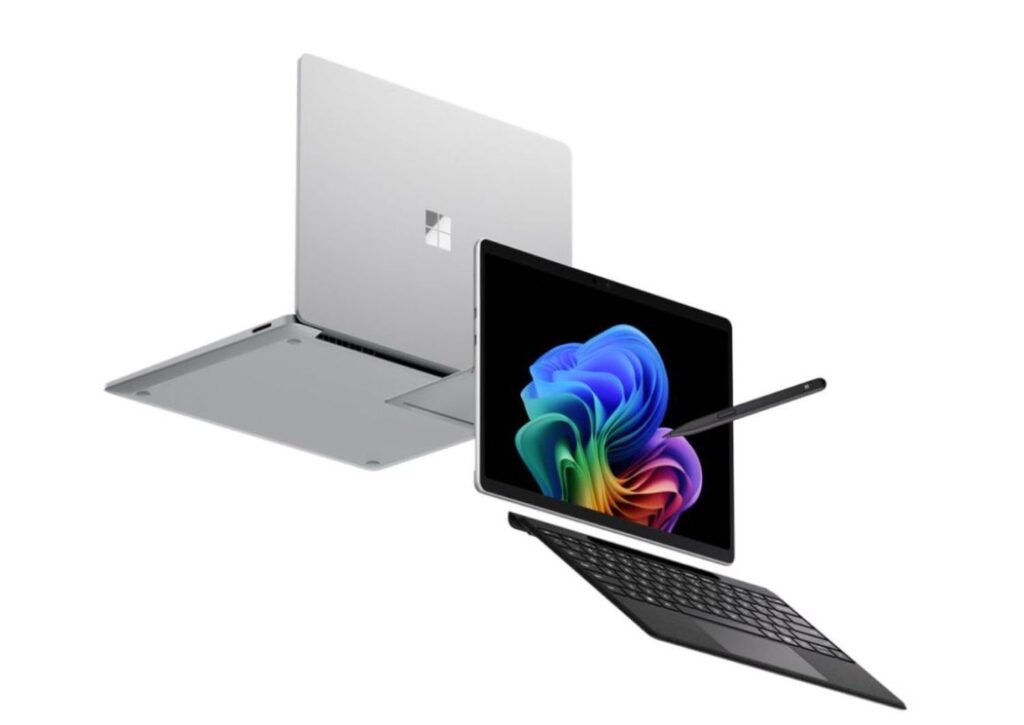
Table of Contents
The Shift Toward AI-First Enterprise Hardware
Microsoft has unveiled a sweeping refresh of its Surface lineup, debuting new iterations of the Surface Laptop and Surface Pro specifically tuned for the corporate sector. While the design language remains familiar, the internals reflect a strategic pivot toward “AI-ready” hardware, centering the new fleet around Intel’s Core Ultra Series 3 processors.
The rollout includes the Surface Laptop in 13-inch, 13.8-inch, and 15-inch configurations, alongside a refreshed 13-inch Surface Pro. For the enterprise buyer, the immediate story is the silicon; the Intel Core Ultra chips are designed to handle the local NPU (Neural Processing Unit) demands that Microsoft is increasingly baking into Windows 11. However, the shadow of ARM looms large. Microsoft confirmed that Snapdragon X2-powered variants are slated for release later this year, a move aimed at those who prioritize the multi-day battery life and aggressive local AI acceleration that Qualcomm’s architecture provides over Intel’s traditional x86 dominance.
Haptics and Privacy: The Quality-of-Life Play
The most tangible upgrades for the end-user are found in the larger 13.8-inch and 15-inch Surface Laptops. Microsoft has finally integrated a haptic feedback system into the trackpads, moving away from mechanical clicks to a software-defined tactile response. This allows for more precise interactions when snapping windows or dragging assets—a subtle but necessary move to keep the Surface competitive with the MacBook Air’s Force Touch ecosystem.
More intriguing is the new integrated privacy screen available on select high-end models. Rather than relying on a plastic adhesive filter, Microsoft has implemented a software-toggleable privacy layer that narrows viewing angles instantly. This feature is designed specifically for the “modern office”—meaning airplanes, coffee shops, and open-floor plans—and can be managed remotely by IT administrators through centralized device management tools.
The 15-inch model also sees a bump in resolution, though Microsoft is playing it safe with LCD panels for the initial business launch. Industry whispers suggest OLED variants will arrive later this summer, likely coinciding with a broader consumer-facing push.
Solving the Repairability Problem
For years, the Surface line was criticized by the Right to Repair community for its heavy use of adhesives and “glued-in” components. Microsoft appears to be listening. The new chassis for the 13.8-inch and 15-inch laptops, as well as the Surface Pro, are crafted from 100% recycled aluminum and feature a revised internal architecture.
The company claims that nearly every major component is now replaceable using standard tools. This isn’t just about sustainability; it’s a business play. For large-scale enterprise deployments, the ability for an in-house IT department to swap a battery or a port without shipping the unit back to a depot significantly reduces downtime and total cost of ownership (TCO).
The Cost of Intelligence
The entry point for the new fleet is steep. Flagship business configurations—featuring an Intel Core Ultra 5 and 16GB of RAM—start at $1,949. The ultraportable 13-inch laptop is positioned slightly lower, with a fully equipped model at $1,499 and a budget-conscious 8GB RAM version expected at $1,299. Notably, that 8GB model will lack certain Copilot+ functionalities, effectively creating a hardware-based paywall for Microsoft’s most advanced AI features.
The Surface Pro 13-inch remains the most conservative of the group. While it benefits from the new Intel silicon and improved efficiency, it misses out on the haptic touchpad upgrade, leaving it feeling somewhat like a transitional device until the next major chassis redesign.


