Leaked Benchmarks Point to Surface Laptop 8 with Intel Panther Lake Architecture
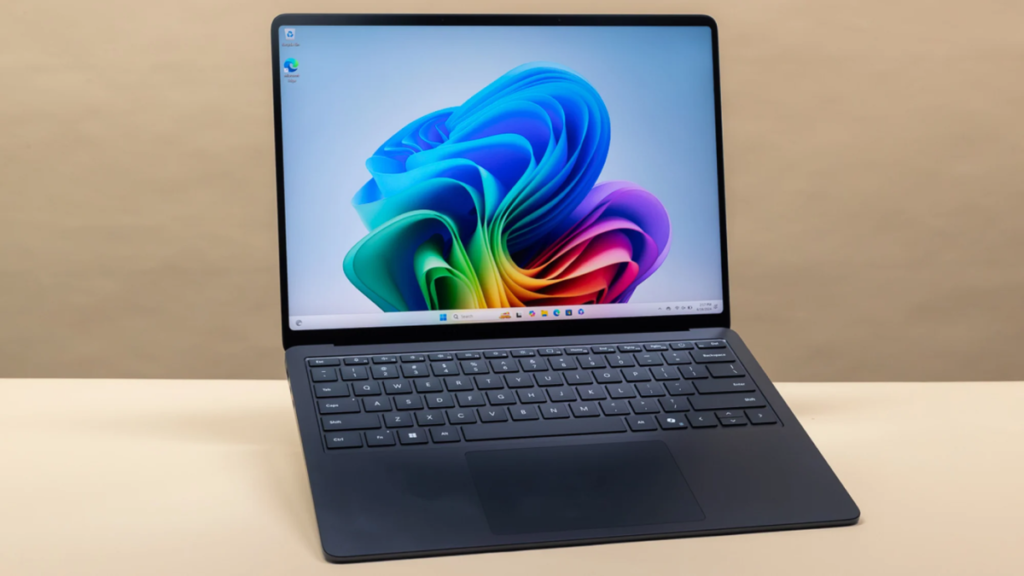
Table of Contents
A Slip in the Benchmarks
Microsoft is notoriously tight-lipped about its hardware roadmap, but the public nature of benchmarking software often tells a different story. Two separate Geekbench 6 listings have surfaced, detailing a device explicitly identified as the “Microsoft Corporation Surface Laptop for Business 13.8in 8th Ed Intel.”
The listings, first spotted by Mashable and archived via screenshots by Notebookcheck, vanished by Thursday morning, suggesting a frantic effort by Microsoft or Intel to scrub the data. However, the damage was already done: the benchmarks provided a first look at the silicon powering the next generation of Surface laptops.
According to the leaked data, the device is equipped with the Intel Core Ultra X7 368H processor, paired with Arc B390 graphics and 32GB of RAM. This points directly to Intel’s upcoming “Panther Lake” architecture, which aims to further bridge the efficiency and performance gap with Apple’s M-series silicon.
Performance Parity and the MacBook Shadow
The raw numbers from the Geekbench 6 tests suggest a machine capable of heavy lifting. In multi-core scenarios—critical for tasks like 4K video rendering and complex software compilation—the Surface Laptop 8 performed on par with the M5 MacBook Air. It also showed comparable results to other recent Windows machines utilizing the slightly lower-tier Core Ultra X7 358H.
The inclusion of the Arc B390 graphics is particularly noteworthy. Intel has been aggressively iterating on its integrated GPU capabilities to make Windows laptops more viable for entry-level creators and casual gamers. By integrating Panther Lake, Microsoft isn’t just updating a chip; it is betting on a new architectural approach to power management and AI processing on the NPU (Neural Processing Unit).
The Shifting Strategy Between Intel and Snapdragon
The nomenclature of the leak—specifically the “For Business” branding—highlights a strategic divide in how Microsoft is deploying its hardware. The current Surface Laptop 7 leaned heavily into Qualcomm’s Snapdragon X series for consumers in May 2024, while enterprise-grade Intel Core Ultra Series 2 models didn’t arrive until January 2025.
However, the launch cadence for the 8th Edition may be inverted. Reports from Windows Central suggest that Microsoft is prioritizing Intel-based Surface Laptops and Pros for a spring release, potentially pushing the Snapdragon X2 consumer variants to the summer. This pivot could be driven by supply chain constraints surrounding Qualcomm’s next-gen chips or a response to enterprise demand for the stability of x86 architecture.
Beyond the internals, the 8th Edition is rumored to maintain the existing chassis design but introduce fresh color palettes, refined haptics in the trackpad, and—most importantly—an optional OLED display. The move to OLED would finally bring the Surface Laptop in line with competitors like the Dell XPS and MacBook Pro, which have long used self-emissive displays to offer deeper blacks and better contrast.
Corporate Silence and Rising Costs
When asked to verify the leak, a Microsoft representative stated, “Microsoft has nothing further to share at this time,” a standard corporate deflection that usually confirms the existence of a project without providing a timeline.
This hardware leak arrives at a precarious time for Surface owners. Earlier this month, Microsoft announced significant price hikes across its current lineup, attributing the move to rising costs for memory and components. If the Surface Laptop 8 arrives with premium OLED panels and high-end Panther Lake silicon, the “Business” price tag is likely to climb even further, testing the appetite of corporate procurement departments and prosumers alike.


