Yuba City McDonald’s Attack Highlights Dangerous Gap in Fast Food Workplace Safety
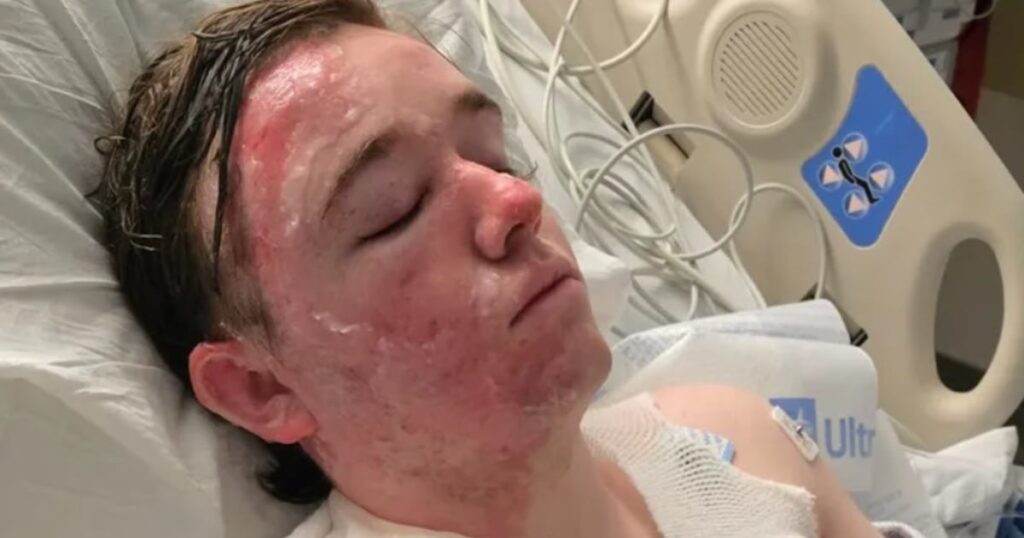
Table of Contents
A Sudden Escalation in the Kitchen
A routine shift at a Yuba City McDonald’s turned into a violent crime scene on May 30, leaving a 20-year-old employee with severe, life-altering burns. Jacob Smith was reportedly in the process of closing out his shift—specifically counting money in the office—when he was blindsided by a colleague who allegedly threw hot frying oil across his body.
The attack was instantaneous. According to his mother, Amber Smith, Jacob saw movement in his peripheral vision just before the oil struck him. The resulting injuries were catastrophic, covering one side of his face, his neck, his right arm, and his back. The severity of the burns has required intensive hospitalization and ongoing medical intervention to determine the extent of necessary skin grafting.
The Legal Fallout and Arrest
The suspect, 23-year-old Jalani Bluett, fled the scene immediately following the assault. After being declared missing, he was apprehended on May 31 by Sutter County deputies. The legal ramifications for Bluett are significant; court records indicate he has been charged with felony battery resulting in serious bodily injury, felony mayhem, and felony assault with a deadly weapon.
While Bluett has entered a plea of not guilty, the charges suggest a level of violence that goes beyond a workplace dispute. ‘Mayhem’—a specific legal term in California—typically refers to the intentional disabling, disfiguring, or rendering useless of a body part, reflecting the permanent nature of the injuries Smith may sustain from the high-temperature oil used in industrial fryers.
Corporate Response and the Safety Gap
John Cook, the owner and operator of the Yuba City franchise, confirmed that Bluett is no longer employed with the company. In a statement, Cook described the incident as “deeply concerning” and stated that the organization’s focus is on supporting Jacob during his recovery. However, the incident exposes a recurring tension in the fast-food industry: the volatility of high-pressure work environments combined with the presence of hazardous materials.
Industrial kitchens are essentially warehouses of potential weapons. From boiling oil to pressurized steamers and heavy machinery, the environment is designed for efficiency, not necessarily for the mitigation of interpersonal violence. While OSHA (Occupational Safety and Health Administration) guidelines focus heavily on accidental burns and slips, the risk of intentional harm using kitchen tools is a blind spot in many franchise safety protocols.
Medical Implications of Thermal Trauma
The medical challenge facing Jacob Smith is not merely the initial burn, but the long-term recovery from thermal trauma. Doctors are currently working to reduce the size and depth of the burns to minimize the need for extensive skin grafts. Thermal burns from cooking oil are particularly insidious because the oil clings to the skin, continuing to burn the tissue long after the initial impact.
For a 20-year-old, the psychological trauma of such an attack—occurring in a place of employment—often mirrors the physical recovery. The transition from a mundane task like counting cash to a violent assault creates a level of workplace instability that extends beyond a single franchise location.
The Broader Context of Fast Food Volatility
This incident occurs amidst a broader national conversation regarding the mental health and stability of frontline service workers. With rising costs of living and high-stress environments, the risk of workplace volatility has increased. While the motive for Bluett’s actions remains unclear, the ease with which a coworker was able to weaponize a standard piece of kitchen equipment highlights a critical vulnerability in how these spaces are managed during shift changes and closing procedures.