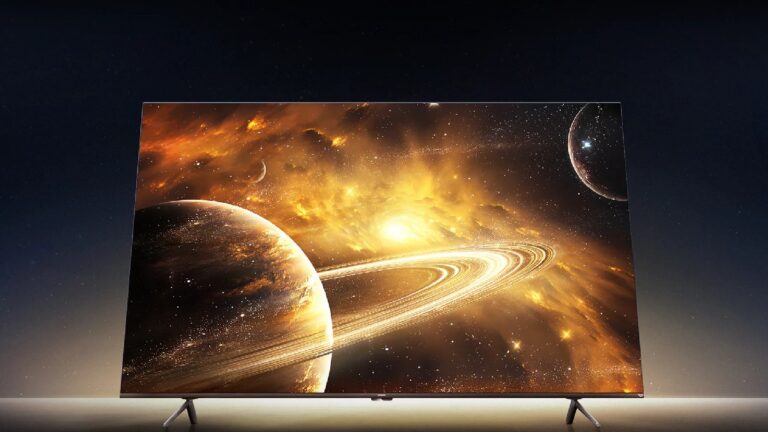
Xiaomi’s X Pro QLED 75 is a Rare Win for the ‘Big Screen, Small Budget’ Gamble
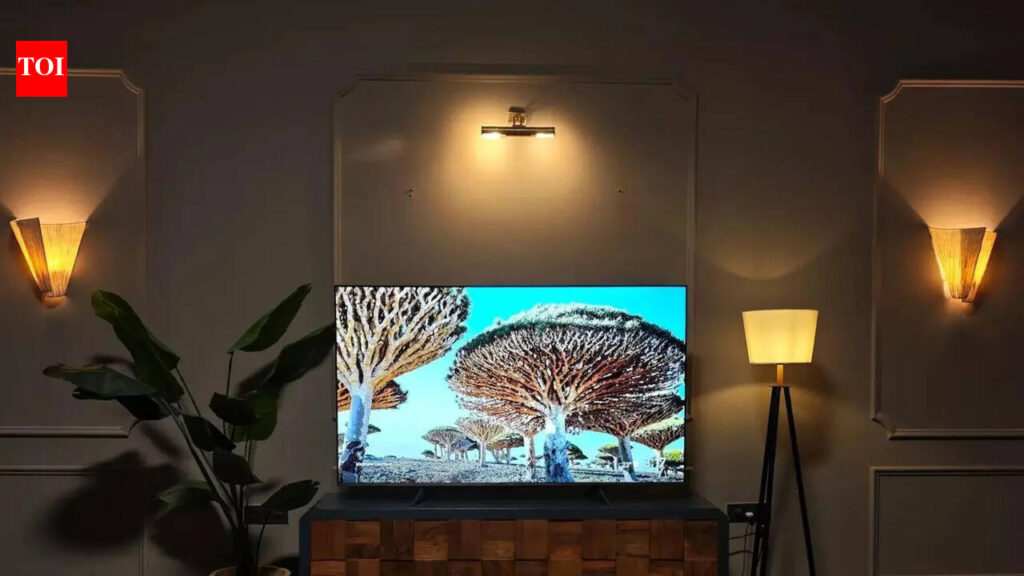
Table of Contents
The Math of Mass Scale
For years, the quest for a 75-inch living room centerpiece has usually ended in one of two ways: you either spent a month’s salary on a Sony or Samsung flagship, or you bought a budget slab that looked like a washed-out billboard. The Xiaomi X Pro QLED 75 attempts to bridge that gap by applying the company’s usual aggressive pricing logic to a high-end panel technology.
Moving to a 75-inch screen isn’t just about size; it’s about the magnifying glass effect. On a 43-inch set, slight backlight bleed or mediocre contrast is negligible. At 75 inches, every imperfection is projected across your entire field of vision. The X Pro manages to avoid the ‘budget blur’ primarily through its QLED layer, which maintains color saturation even when the brightness is pushed to its limits.
Color Accuracy and the QLED Advantage
The inclusion of Quantum Dot technology here is the primary driver of the TV’s value. In our testing, the color reproduction is surprisingly punchy. While it doesn’t quite reach the surgical precision of an OLED—where blacks are absolute—the X Pro handles high-dynamic range (HDR) content with a level of vibrancy that puts most entry-level LED sets to shame. Reds and greens feel saturated without crossing into the territory of unnatural neon, a common failing in budget QLEDs.
However, the trade-off is visible in the deep blacks. In a darkened room, you’ll notice some blooming around subtitles or bright objects against a dark background. It’s a characteristic of the edge-lit design, but for a screen this size at this price point, it’s a compromise most users will likely ignore during daytime viewing.
Software and the Ecosystem Friction
The hardware is bolstered by a modified version of Android TV, which remains the gold standard for app availability. From Netflix and Disney+ to niche streaming services, the interface is snappy. Xiaomi has optimized the RAM management reasonably well, meaning the UI doesn’t stutter when navigating between heavy apps.
The real integration win here is the smart home connectivity. If you’re already deep in the Xiaomi ecosystem, the TV acts as a central hub for managing devices. However, the pre-installed bloatware remains a minor annoyance. There are a few too many ‘recommended’ apps and promotional tiles on the home screen that can make the experience feel cluttered compared to the cleaner interface of a Google TV or LG webOS setup.
Audio: The Eternal Weak Point
It is physically impossible to fit high-fidelity speakers into a chassis this thin without spending significantly more on hardware. The built-in speakers are adequate for news broadcasts and YouTube clips, but they lack the low-end thump required for a cinematic experience. If you are investing in a 75-inch screen to create a home theater, a dedicated soundbar isn’t just recommended—it’s mandatory.
The Verdict on Value
The Xiaomi X Pro QLED 75 succeeds because it understands the specific psychology of the large-screen buyer. Most people aren’t looking for reference-grade color calibration; they want the feeling of an immersive cinema without the financial hangover. By pairing a competent QLED panel with a versatile software stack, Xiaomi has created a product that feels like a calculated risk that actually paid off.