Xiaomi pushes Mini LED into the mid-range with the new FX Series launch in India
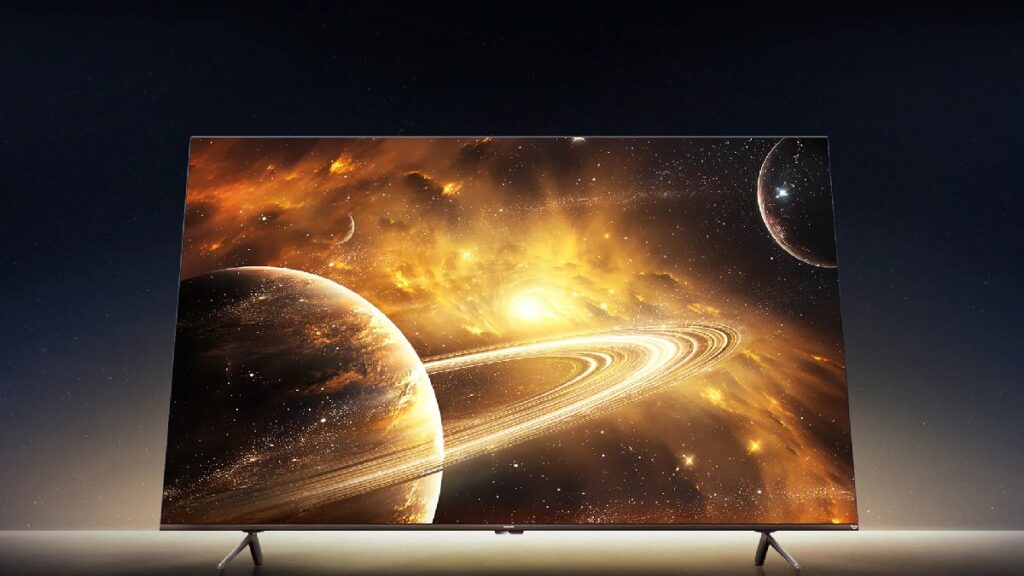
Table of Contents
A strategic pivot toward Mini LED
Xiaomi is making a concerted push to democratize high-end display technology in the Indian market with the official launch of the TV FX Mini LED series. While Mini LED has traditionally been the playground of premium flagship models from the likes of Sony and Samsung, the FX series attempts to bridge the gap between standard LED-LCDs and the prohibitively expensive OLED panels.
The new lineup arrives in four distinct sizes—43, 55, 65, and 75 inches—suggesting that Xiaomi is targeting everything from compact bedroom setups to full-scale home cinema environments. The core of the appeal here is the QD Mini LED technology, which combines quantum dots for wider color gamuts with a dense array of smaller LEDs to manage contrast and brightness more precisely than traditional edge-lit or direct-lit panels.
Tackling the contrast struggle
The most critical inclusion in the FX series is Full Array Local Dimming (FALD). For those unfamiliar with the jargon, this allows the TV to turn off or dim specific clusters of LEDs in the backlight, significantly reducing the ‘blooming’ effect often seen around bright objects on dark backgrounds. This is a necessary step for any TV claiming a cinematic experience, especially when paired with HDR10+ support, which allows for dynamic metadata to optimize brightness on a frame-by-frame basis.
Gaming performance has also seen a modest boost. While these aren’t dedicated 120Hz native panels across the board, Xiaomi has implemented a DLG (Dual Line Gate) 120Hz game mode on select variants. This essentially allows the TV to simulate a higher refresh rate, which should help smooth out motion for PS5 and Xbox Series X users, though it won’t quite match the clarity of a native 120Hz OLED.
The Fire TV gamble
Perhaps the most interesting shift is the deep integration of Fire TV. By opting for Amazon’s ecosystem over a proprietary skin or generic Android TV build, Xiaomi is leaning into the accessibility of the Fire OS app store and the seamlessness of Alexa voice commands. This move positions the FX series as a centerpiece for the smart home, moving away from being a mere display and toward becoming an integrated hub.
Under the hood, the hardware is functional but modest. A quad-core processor handles the OS, supported by 32GB of onboard storage. While 32GB is sufficient for the average user, power users who install a multitude of heavy streaming apps may find the headroom tight. Dual-band Wi-Fi ensures that 4K streams from platforms like Netflix or Disney+ Hotstar aren’t throttled by connection instability.
Pricing and market positioning
The pricing strategy reveals Xiaomi’s intent to undercut the established premium brands while offering features that typically cost 20-30% more. The standard pricing scales from Rs. 32,999 for the 43-inch model up to Rs. 84,999 for the 75-inch behemoth.
| Model Size | Standard Price | Introductory Offer |
|---|---|---|
| 43-inch | Rs. 32,999 | Rs. 29,999 |
| 55-inch | Rs. 44,999 | Rs. 39,999 |
| 65-inch | Rs. 64,999 | Rs. 59,999 |
| 75-inch | Rs. 84,999 | Rs. 79,999 |
By offering introductory discounts that shave several thousand rupees off the MSRP, Xiaomi is likely attempting to trigger a rapid adoption curve to gain market share in the burgeoning Mini LED segment. The real test will be how the QD Mini LED panels hold up in terms of peak brightness and color accuracy compared to the mid-range offerings from competitors like TCL and Hisense, who have been aggressively pursuing the same value-driven segment.


