Xiaomi TV FX Mini LED Debuts in India: Aggressive Pricing Meets QD-Mini LED Tech
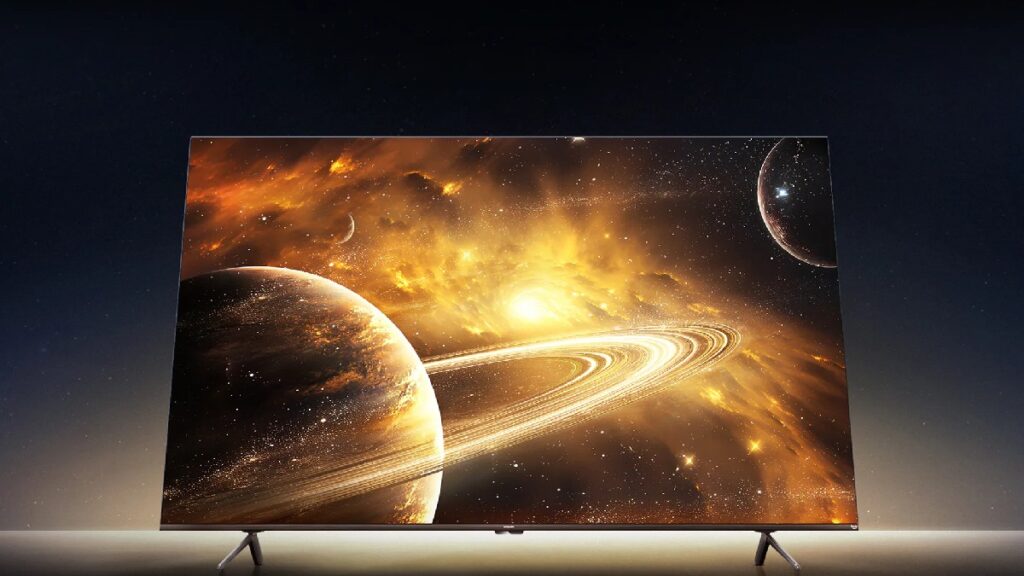
Table of Contents
Xiaomi has officially expanded its display portfolio in India with the launch of the Xiaomi TV FX Mini LED series. Spanning from a compact 43-inch model to a cinematic 75-inch beast, the series attempts to democratize high-end panel technology—specifically QD-Mini LED—at price points that traditionally only support standard LED or basic QLED sets.
- Technology: Combines Quantum Dot (QD) and Mini LED for superior contrast and brightness.
- Pricing: Aggressive introductory pricing starting at ₹29,999 for the 43-inch model.
- Gaming: Select variants feature DLG (Dual Line Gate) 120Hz mode to reduce input lag.
- OS: Native Fire TV integration replacing the usual PatchWall/Android setup on these specific models.
The Technical Shift: What is QD-Mini LED?
To understand the value proposition of the Xiaomi TV FX series, one must first understand the shift from standard LED to QD-Mini LED. In a traditional LED-backlit LCD, a few large LEDs illuminate the entire screen, often leading to “blooming” (where light leaks from bright objects into dark areas).
QD-Mini LED solves this by using thousands of microscopic LEDs. These act as individual light sources that can be dimmed or turned off entirely through Full Array Local Dimming (FALD). When you combine this with a Quantum Dot layer—which filters light to produce more accurate and saturated colors—you get a picture that approaches the ink-black levels of OLED but with the searing peak brightness of LED.
How Local Dimming Impacts the Viewing Experience
In our analysis of current panel trends, the number of dimming zones is the critical metric. While Xiaomi has not disclosed the exact zone count for every size, the implementation of FALD in the FX series means that high-contrast scenes—such as a starfield in a sci-fi movie—will look significantly sharper than on a budget 4K TV. The backlight can be precision-controlled, preventing the “greyish’ black” look common in entry-level displays.
Price Breakdown: Market Positioning
Xiaomi is positioning the FX series as a disruptor. By offering a Mini LED solution starting under ₹30,000, they are putting immense pressure on brands like Samsung and Sony, who typically reserve Mini LED for their premium ‘Neo’ or ‘Bravia’ lines.
| Screen Size | Official MRP | Introductory Price | Price Drop (%) |
|---|---|---|---|
| 43-inch | ₹32,999 | ₹29,999 | ~9% |
| 55-inch | ₹44,999 | ₹39,999 | ~11% |
| 65-inch | ₹64,999 | ₹59,999 | ~8% |
| 75-inch | ₹84,999 | ₹79,999 | ~6% |
Gaming Capabilities: The DLG 120Hz Factor
For the gaming community, the most interesting spec is the DLG (Dual Line Gate) 120Hz game mode available on select variants. It is important to clarify a technical distinction here: this is not a native 120Hz panel. Instead, DLG is a software-hardware hybrid approach that allows the TV to render frames at a higher rate by sacrificing some vertical resolution to maintain a smoother motion flow.
For PS5 and Xbox Series X users, this means less motion blur during fast-paced shooters or racing games. While hardcore enthusiasts might prefer a native HDMI 2.1 120Hz panel, the DLG implementation at this price point is a pragmatic compromise that still offers a noticeable upgrade over standard 60Hz displays.
The Ecosystem: Fire TV Integration
In a departure from some of its previous Android-centric lineups, the TV FX series heavily leans into Fire TV integration. This shift brings the Amazon ecosystem directly into the hardware, providing a streamlined interface optimized for content discovery.
The inclusion of Alexa voice commands is not just a gimmick; it transforms the TV into a smart home hub. Users can control compatible IoT devices, check weather updates, or manage smart lighting directly from the remote. Under the hood, the quad-core processor and 32GB of storage ensure that the OS remains snappy, though 32GB is relatively modest for users who intend to sideload numerous heavy apps.
What This Means for the Indian Consumer
The launch of the Xiaomi TV FX Mini LED series signals a shift in the ‘value’ segment of the Indian electronics market. Previously, consumers had to choose between a cheap LED TV with poor contrast or a very expensive OLED. This series occupies the ‘Goldilocks’ zone: high-end contrast and brightness without the five-figure premium.
For the average user, this means a significant jump in HDR (High Dynamic Range) performance. With HDR10+ support, the TV can adjust brightness and color frame-by-frame, making content on Netflix or Disney+ Hotstar look more cinematic and detailed.
Comparative Analysis: Mini LED vs. OLED vs. Standard LED
If you are deciding between these technologies, consider the following environment-based factors:
- Bright Rooms: Mini LED (like the Xiaomi FX) is superior because it can push much higher nits of brightness to combat glare.
- Dark Rooms: OLED remains the gold standard for absolute blacks, though Mini LED with FALD is a very close second.
- Budget Constraints: Standard LED is cheaper, but the visual leap to Mini LED is the most significant upgrade a consumer can make in 2025.
Potential Trade-offs and Considerations
No piece of technology is without compromise. With the TV FX series, the use of DLG instead of native 120Hz is a clear cost-saving measure. Additionally, while the quad-core processor is efficient, the 32GB of storage may become a bottleneck as apps grow in size over the next few years.
From an audio perspective, Dolby Audio is a welcome addition, but slim-bezel TVs generally struggle with bass. To get a truly cinematic experience, we strongly recommend pairing any of these models with a dedicated soundbar or a 2.1 channel system.
Frequently Asked Questions
Is the Xiaomi TV FX Mini LED a good choice for gaming?
Yes, especially for those on a budget. While it isn’t a native 120Hz panel, the DLG 120Hz mode provides a smoother experience than standard 60Hz TVs, making it a strong mid-range choice for console gaming.
What is the difference between QLED and QD-Mini LED?
A QLED TV uses Quantum Dots for color but usually has a standard backlight. A QD-Mini LED TV uses both Quantum Dots and thousands of tiny LEDs (Mini LEDs) that can be dimmed individually, resulting in much better contrast and deeper blacks.
Does this TV support all major streaming apps?
Yes. Because it features Fire TV integration, it has native access to the Amazon Appstore, which includes Netflix, Prime Video, YouTube, and Disney+ Hotstar.
What is HDR10+ and why does it matter?
HDR10+ is a dynamic metadata format. Unlike static HDR, it tells the TV exactly how to adjust brightness and contrast for every single frame of a movie, resulting in a more realistic image.
Which size is best for a standard Indian living room?
For most medium-sized rooms (approx 10-12 feet viewing distance), the 55-inch model is generally the sweet spot for 4K resolution and immersion.
Final Verdict on Value
Xiaomi continues to leverage its supply chain advantages to bring professional-grade panel technology to the consumer market. The TV FX Mini LED series isn’t trying to beat the top-tier Sony Master Series in pure performance; instead, it is trying to make that level of performance accessible. At the introductory price of ₹29,999 for the 43-inch variant, it represents one of the most aggressive price-to-performance ratios in the current Indian TV market.