Apple Shifts Siri Into the Visual Field with iOS 27’s New ‘Visual Intelligence’ Mode
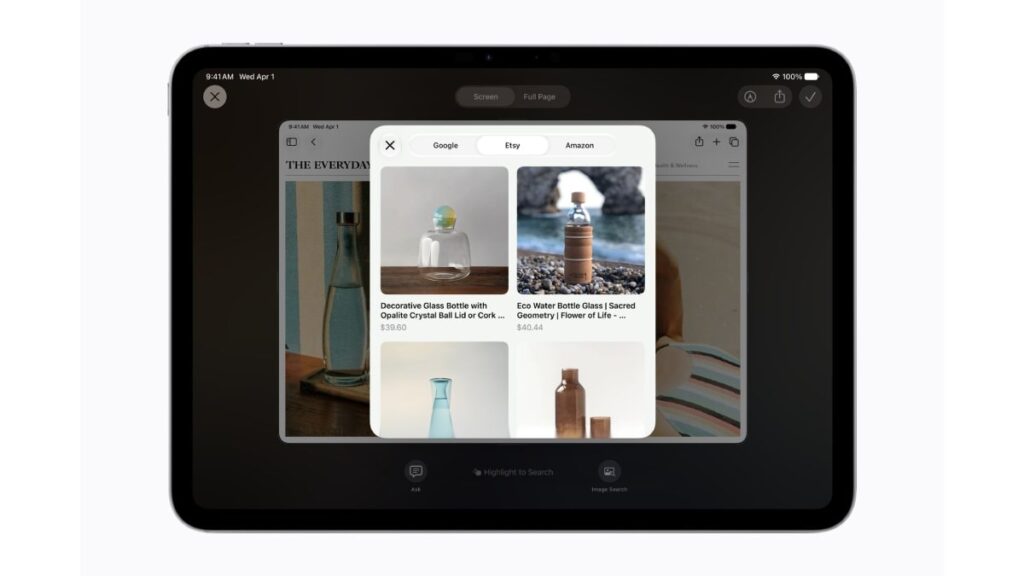
Table of Contents
Bridging the Gap Between Seeing and Doing
Apple has spent the last several years attempting to move Siri from a basic voice command tool to a proactive digital assistant. At WWDC 2026, the company revealed the most aggressive step in that evolution yet: a deep, multimodal integration between Siri and the iPhone camera, debuting with iOS 27. While previous iterations of ‘Visual Look Up’ allowed users to identify plants or pets from a static photo, the new Visual Intelligence mode turns the camera into a live, conversational interface.
The centerpiece of the announcement is a dedicated Siri tab embedded directly within the Camera app. Unlike the current experience—where you take a photo and then ask Siri about it—this new mode allows for a continuous stream of data. By pointing the lens at an object, a landmark, or a piece of text, users can prompt Siri to perform actions based on the live feed. For example, pointing the camera at a restaurant menu could allow a user to ask Siri to “find a healthier option” or “check if they have gluten-free choices,” with the AI analyzing the text in real-time without needing to capture a separate image.
Multimodal Logic and On-Device Processing
The shift toward true multimodality means Siri is no longer just translating speech to text; it is processing visual pixels and audio signals simultaneously. According to Apple’s technical presentation, this is powered by a revised neural engine architecture that prioritizes on-device processing to maintain privacy. This move positions Apple to compete more directly with Google Lens and the evolving capabilities of OpenAI’s GPT-4o, which has pushed the industry toward real-time visual reasoning.
This isn’t just about identification. Apple is leaning into “actionable intelligence.” If the camera detects a QR code or a business storefront, Siri can now suggest specific actions—like booking a reservation or adding a calendar event—directly within the camera interface, bypassing the need to switch between multiple apps. The integration extends to iPadOS 27 and macOS 27, though the implementation on Mac relies heavily on the Continuity Camera feature, leveraging the iPhone’s hardware to provide the visual feed.
The Hardware Tension
The rollout of these features raises inevitable questions about hardware requirements. While Apple has not explicitly listed the minimum device specs, the heavy lifting required for real-time multimodal AI suggests that the full suite of Visual Intelligence may be limited to the latest A-series chips. This creates a tiered experience where users on older iPhones may see a stripped-down version of the feature, potentially relying more on cloud-based processing than the instantaneous on-device response promised during the keynote.
Industry analysts note that this move is a strategic attempt to make the iPhone camera more than just a tool for capturing memories. By turning the viewfinder into a search and action engine, Apple is attempting to redefine the “entry point” of the smartphone experience. Instead of opening a browser or an app, the camera becomes the primary way users interact with the physical world through a digital lens.
Integration Across the Ecosystem
The update isn’t limited to the iPhone. On iPadOS 27, the Visual Intelligence features are being tailored for productivity and education, allowing students to point their iPads at complex diagrams in textbooks to receive an AI-generated explanation or a set of related practice problems. On macOS, the integration is more subtle, primarily focused on the ability to import live visual data from a connected iPhone to help with workflow automation and data entry.
Apple’s focus on integrating these capabilities directly into the OS, rather than releasing them as a standalone app, ensures that the AI feels like a native extension of the hardware. As the company moves toward a more autonomous version of Siri, the ability to “see” what the user sees is the final piece of the puzzle in making the assistant feel context-aware.