Xiaomi Pad 8 Price Hike in India: Why the Tablet’s Cost Just Jumped by ₹2,000
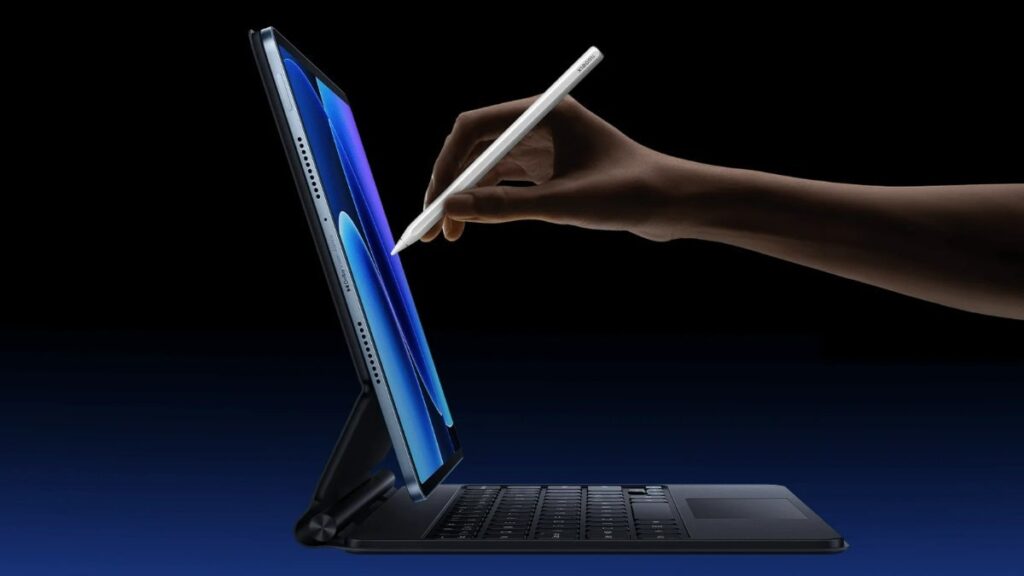
Table of Contents
Xiaomi Quietly Adjusts Xiaomi Pad 8 Pricing in India
In a move that often catches consumers off guard, Xiaomi has implemented a silent price revision for the Xiaomi Pad 8 across the Indian market. The tablet, which arrived in March of this year as a strong contender in the premium mid-range segment, has seen a uniform price increase of ₹2,000 across all available RAM and storage configurations.
- Price Increase: All Xiaomi Pad 8 variants are now ₹2,000 more expensive.
- New Entry Price: The base 8GB/128GB model now starts at ₹35,999.
- Top Variant: The 12GB/256GB model has risen to ₹38,999.
- Bundle Impact: The tablet + Focus Pen Pro bundle now costs ₹43,999.
For those tracking the Android tablet landscape, this shift isn’t just about a few thousand rupees; it’s about a change in the value proposition. When the device launched, it was positioned as a disruptor, offering high-end silicon at a price point that challenged both Samsung’s S-series FE tablets and Apple’s iPad Air. With this hike, the margin between the Pad 8 and its competitors has narrowed.
The New Pricing Breakdown: A Detailed Look
The price adjustment affects every SKU available in the Indian retail and online channels. Unlike some companies that only raise prices on high-margin a-tier models, Xiaomi has applied the hike linearly.
| Variant | Launch Price | Current Price | Difference |
|---|---|---|---|
| 8GB RAM + 128GB Storage | ₹33,999 | ₹35,999 | + ₹2,000 |
| 12GB RAM + 256GB Storage | ₹36,999 | ₹38,999 | + ₹2,000 |
| 12GB/256GB + Focus Pen Pro | ₹41,999 | ₹43,999 | + ₹2,000 |
This revision brings the top-end model closer to the ₹40,000 psychological barrier. For the average consumer, a ₹2,000 jump might seem nominal, but in the competitive Indian tablet market—where discounts and bank offers often dictate sales volume—this can influence a buyer’s decision to switch to a rival brand during a festive sale.
Technical Powerhouse: What You’re Paying For
To understand if the Xiaomi Pad 8 justifies this new price point, we have to look at the hardware. The heart of the device is the Qualcomm Snapdragon 8s Gen 4 SoC. This chip is designed to bridge the gap between flagship performance and power efficiency, making it ideal for tablets that need to handle multitasking without draining the battery in four hours.
Display and Visual Fidelity
The Pad 8 features an 11.2-inch screen with a 3.2K resolution. More importantly, it supports a 144Hz refresh rate. In practical terms, this means that scrolling through documents, editing videos, or playing high-refresh-rate games feels fluid. For creative professionals using the Xiaomi Focus Pen Pro, the latency is minimal, making it a viable tool for digital sketching and note-taking.
Battery and Endurance
Powering the device is a substantial 9,200mAh battery. While 45W fast charging is respectable, it is slightly slower than some of the ultra-fast charging solutions seen in Xiaomi’s smartphone lineup. However, given the size of the battery, it typically lasts through a full day of moderate productivity and media consumption.
What This Price Hike Means for the Consumer
When a company raises prices mid-cycle, it usually signals one of three things: rising component costs (particularly NAND flash or DRAM), a shift in currency exchange rates, or a strategic move to increase Average Selling Price (ASP) after a successful initial launch phase.
For the buyer, this means the “sweet spot” of value has shifted. At ₹33,999, the Pad 8 was an easy recommendation for students and power users. At ₹35,999, it enters a territory where consumers might start looking at older flagship tablets from previous years that are currently discounted.
The productivity angle: If you are buying the tablet specifically for work, the bundled price of ₹43,999 for the high-end model with the Focus Pen Pro is where the value is most strained. At this price, the device competes directly with the iPad 10th Gen (with accessories), which offers a more mature ecosystem of productivity apps, though lacks the 144Hz screen of the Xiaomi.
Market Context: The Android Tablet Struggle
Android tablets have historically struggled to find a foothold against the iPad’s dominance, not because of hardware, but because of software optimization. Xiaomi has attempted to solve this with its revamped HyperOS, which focuses on interconnectedness between devices.
By raising the price, Xiaomi is betting that the hardware—specifically the Snapdragon 8s Gen 4 and the 3.2K display—is enough of a draw that users will pay a premium. However, history shows that in India, the “value for money” perception is the strongest driver of brand loyalty. Any increase in price without a corresponding increase in features can lead to a dip in market share for the mid-range segment.
Comparative Hardware Analysis
Compared to the previous generation, the Pad 8 offers a noticeable jump in SoC efficiency. The 8s Gen 4 allows for better thermal management, meaning the tablet doesn’t throttle as aggressively during heavy tasks like 4K video rendering or long gaming sessions. This technical edge is likely what Xiaomi believes justifies the ₹2,000 increase.
Common Questions Regarding the Xiaomi Pad 8 Pricing
Why did Xiaomi increase the price of the Pad 8?
While Xiaomi hasn’t released an official statement, price hikes mid-cycle are typically driven by fluctuations in the cost of semiconductor components or logistics. It could also be a strategy to align pricing across different regional markets.
Is the Xiaomi Pad 8 still a good deal at ₹35,999?
Yes, if you prioritize a high-refresh-rate screen (144Hz) and a powerful processor for gaming or multitasking. However, if you only need a tablet for basic media consumption, there are cheaper alternatives in the Xiaomi Redmi Pad series.
Does the price hike affect the warranty or service?
No. The price increase is strictly related to the retail cost of the hardware. Warranty terms and after-sales service provided by Xiaomi India remain unchanged.
Which variant offers the best value now?
The 8GB RAM + 128GB model remains the most accessible entry point. However, for power users, the 12GB RAM variant is highly recommended to take full advantage of HyperOS’s multitasking capabilities.
How does the Pad 8 compare to the iPad in terms of price?
The Xiaomi Pad 8 is generally more affordable than an iPad Air, but it is now closer in price to the base iPad. The main advantage of the Xiaomi is the superior display technology (144Hz vs 60Hz on base iPads).
Final Verdict on the Value Shift
The Xiaomi Pad 8 remains a formidable piece of hardware. Its combination of the Snapdragon 8s Gen 4 and a stunning 3.2K display puts it in a league of its own regarding raw specifications. However, the ₹2,000 price hike removes some of the “shock value” that accompanied its launch in March.
Prospective buyers should now weigh the cost more carefully. If you can find a retail outlet still stocking old inventory at the launch price, it’s an absolute steal. At the new price, it is still a strong purchase, but the competition—particularly from Samsung’s discounted Tab S series—becomes much more tempting.