Xiaomi is Bringing Mini-LED Precision to India with the New FX Series Launch
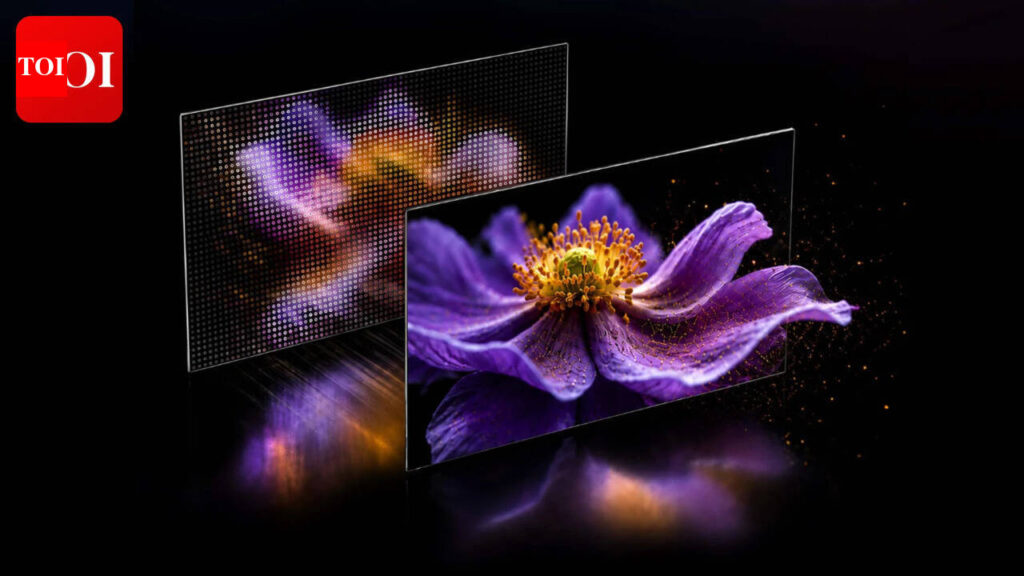
Table of Contents
A Strategic Pivot Toward Premium Display Tech
Xiaomi is preparing to shift the goalposts of its television lineup in India. The company has officially set June 4 for the launch of the TV FX Mini LED series, a move that signals a concerted effort to move beyond the budget-friendly 4K segments and compete directly with the high-end offerings from Samsung and Sony.
While Xiaomi has long dominated the ‘value-for-money’ smart TV space with its X and P series, the FX series represents a technical leap. By implementing Mini-LED technology, Xiaomi is addressing the primary weakness of standard LED panels: blooming and inconsistent contrast. Mini-LEDs allow for significantly more local dimming zones, meaning the TV can shut off specific clusters of pixels to achieve deeper blacks while pushing higher peak brightness in others—a critical requirement for a truly immersive HDR experience.
The Technical Edge: Why Mini-LED Matters
For the average consumer, the distinction between a standard LED and a Mini-LED might seem academic, but in practice, it changes how content is consumed. According to industry standards for HDR10+ and Dolby Vision, the ability to maintain high contrast without ‘washing out’ the image is what separates a mid-range screen from a cinema-grade display. The FX series is expected to lean heavily into this, likely featuring a high density of dimming zones to prevent the dreaded ‘halo’ effect around bright objects on dark backgrounds.
Historically, Mini-LED has been the bridge between traditional LED and the prohibitively expensive OLED panels. By bringing this to the Indian market, Xiaomi is targeting the “prosumer”—users who want the near-black levels of OLED but require the higher brightness levels necessary for sunlit Indian living rooms, where OLEDs often struggle with glare and peak luminance.
Market Dynamics and Competition
The timing of the June 4 launch is not accidental. Xiaomi is entering a fierce battleground where brands like TCL and Hisense have already begun aggressive pricing strategies for Mini-LED panels. To win, Xiaomi will likely leverage its existing ecosystem of smart home devices, integrating the FX series deeply into its HyperOS environment to offer a more seamless transition between the TV and other Xiaomi gadgets.
Industry analysts suggest that the FX series will likely be available in multiple sizes, potentially ranging from 55 to 85 inches, to cater to the growing trend of “home cinema” setups in urban Indian apartments. There is also significant speculation regarding the refresh rate; if Xiaomi includes a native 120Hz or 144Hz panel, the FX series will transition from being just a movie-watching device to a primary target for PS5 and Xbox Series X gamers.
What to Expect on Launch Day
While Xiaomi has kept the specific pricing under wraps, the core of the June 4 event will likely center on the price-to-performance ratio. The challenge for the FX series will be maintaining a price point that feels “Xiaomi-esque” while using expensive Mini-LED hardware. If the company can undercut the premium Korean brands while offering 90% of the performance, the FX series could quickly become the new benchmark for the Indian mid-to-high-end market.
Beyond the hardware, expect announcements regarding updated software features, possibly including AI-driven upscaling to bring non-4K content up to the FX series’ native resolution, a feature that has become a standard battleground for AI-integrated televisions in 2024 and 2025.