Xiaomi FX Mini LED Series Debuts in India: A New Challenge to Samsung and Sony’s Mid-Range Dominance
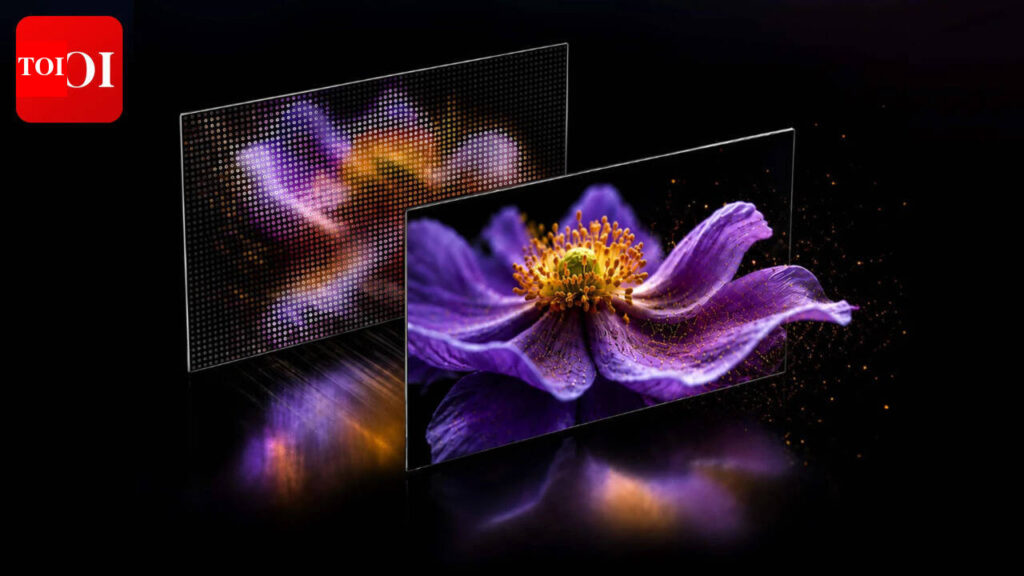
Table of Contents
The Arrival of Mini LED for the Mass Market
On June 4, 2026, Xiaomi is set to expand its display portfolio in India with the official launch of the Xiaomi FX Mini LED series. While the company has historically dominated the budget 4K segment, the FX series represents a strategic pivot toward the ‘premium-mid’ tier, directly challenging the stronghold held by Samsung’s Neo QLED and Sony’s Bravia lineups in the Indian subcontinent.
The shift to Mini LED is not merely a marketing exercise. By utilizing thousands of microscopic LEDs as backlighting, Xiaomi is attempting to bridge the gap between traditional LED-LCDs and the perfect blacks of OLED, all while maintaining the high peak brightness required for bright Indian living rooms. The integration of Amazon’s Fire TV platform suggests a move away from the proprietary PatchWall-centric approach in favor of a more globally standardized ecosystem.
- Launch Date: June 4, 2026, in the Indian market.
- Display Tech: Full-Array QD-Mini LED with independent dimming zones for improved contrast.
- Processing: Powered by the Quantum MagiQ engine for AI-driven upscaling and color accuracy.
- OS: Integrated Amazon Fire TV with built-in Alexa voice control.
- Audio: Higher-end models feature a quad-speaker array with Dolby Audio and DTS:X.
Technical Deep Dive: QD-Mini LED and Quantum MagiQ
At the heart of the FX series is the Full-Array QD-Mini LED backlighting system. Unlike standard LED TVs that use a few dozen dimming zones, the FX series employs independent dimming zones that allow the TV to turn off specific clusters of LEDs. This effectively eliminates ‘blooming’—the annoying halo effect often seen around bright objects on dark backgrounds, such as white subtitles on a black screen.
The ‘QD’ stands for Quantum Dot, a layer of nanocrystals that converts blue light into highly saturated primaries. Xiaomi claims a DCI-P3 93% wide color gamut, which is a critical metric for cinephiles. In practical terms, this means the TV can reproduce a wider range of colors, making HDR10+ and Dolby Vision content look more natural and vibrant.
The Role of Quantum MagiQ Processing
Hardware is only half the battle; the software that interprets the signal is where the real difference lies. The Quantum MagiQ image processing engine handles the heavy lifting of noise reduction and dynamic tone mapping. Based on industry benchmarks for similar Xiaomi chips, we expect this processor to focus on reducing ‘banding’ in gradients (like a sunset) and improving the sharpness of low-resolution cable TV signals through AI-based upscaling.
The Strategic Shift to Amazon Fire TV
Perhaps the most interesting move is the adoption of the Amazon Fire TV platform. For years, Xiaomi has pushed its own PatchWall interface. While PatchWall is excellent for content aggregation, Fire TV offers a more robust app ecosystem and deeper integration with Alexa, which is seeing growing adoption in Indian smart homes.
By leveraging Fire TV, Xiaomi removes the friction of app compatibility. Users can expect seamless integration with Prime Video, Disney+ Hotstar, and Netflix, along with a remote that likely supports voice-commands for smart home control. This partnership allows Xiaomi to focus on the hardware—the panel and the processing—while leaving the OS maintenance to Amazon.
Audio Engineering and Connectivity
Xiaomi is not ignoring the audio experience. While slim bezels usually mean tiny speakers, the larger models in the FX series are equipped with a quad-speaker system. The inclusion of DTS:X and Dolby Audio suggests a move toward spatial audio, which creates a more immersive soundstage without requiring a full 5.1 surround setup.
| Feature | Standard Model | Premium/Large Model | |
|---|---|---|---|
| Backlighting | QD-Mini LED | QD-Mini LED (More Zones) | |
| Color Gamut | DCI-P3 93% | DCI-P3 93%+ | |
| Audio | Stereo / Dolby Audio | Quad-Speaker / DTS:X | |
| OS | Fire TV | Fire TV | |
| Processing | Quantum MagiQ | Quantum MagiQ (Enhanced) |
What This Means for the Indian Consumer
For the average buyer, the launch of the FX series means that high-end display technology is becoming commoditized. Previously, if you wanted a TV with precise local dimming and a wide color gamut, you had to pay a ‘brand tax’ for a top-tier Korean or Japanese label.
Xiaomi is positioning the FX series to offer 90% of the performance of a flagship TV at roughly 60-70% of the cost. This puts immense pressure on competitors to either lower prices or innovate faster. If the pricing is aggressive, as it typically is for Xiaomi, we could see a significant shift in the ₹50,000 to ₹1,00,000 price bracket.
Comparative Analysis: Mini LED vs. OLED vs. QLED
To understand the value proposition of the FX series, it is helpful to compare the underlying technologies. While OLED provides the best contrast because each pixel is its own light source, it is prone to burn-in and cannot reach the peak brightness of Mini LED. QLED improves color but often suffers from poor blacks because it relies on a few large backlight zones.
The Xiaomi FX Mini LED sits in the ‘Goldilocks zone.’ It provides the high brightness needed for sun-lit rooms (which are common in Indian homes) while offering contrast ratios that closely mimic OLED. For gaming—especially with the rise of PS5 and Xbox Series X—the high peak brightness of Mini LED is often preferable for HDR gaming highlights.
Potential Limitations
No technology is perfect. The primary challenge for Mini LED remains the ‘algorithm’ used for dimming. If the Quantum MagiQ processor isn’t fast enough, users might notice a slight lag in how the backlight reacts to fast-moving objects, leading to temporary brightness fluctuations. Additionally, while 93% DCI-P3 is impressive, professional color graders may still prefer the 100% coverage found in ultra-premium sets.
Industry Context: The Battle for the Living Room
The Indian TV market is currently in a state of flux. With the increase in 4K content consumption via streaming and the rollout of 5G-powered home broadband, consumers are upgrading their screens more frequently. Xiaomi’s move into the Mini LED space is a direct response to the growing demand for ‘cinematic’ experiences at home.
By launching on June 4, Xiaomi is likely timing this to capture the early summer shopping surge. If they can bundle the FX series with their broader ecosystem of AIoT devices, they create a ‘sticky’ environment where the TV becomes the dashboard for the entire home.
Frequently Asked Questions
What is Mini LED technology in the Xiaomi FX series?
Mini LED refers to the use of much smaller LEDs for the backlight compared to traditional LEDs. This allows for more ‘local dimming zones,’ meaning the TV can precisely control which parts of the screen are bright and which are dark, resulting in deeper blacks and higher contrast.
How does Quantum MagiQ image processing work?
Quantum MagiQ is Xiaomi’s proprietary AI engine that analyzes every frame of video in real-time. It optimizes color balance, reduces digital noise, and upscales lower-resolution content to fit the 4K panel without adding excessive blur.
Is Amazon Fire TV better than Android TV?
Both are powerful, but Fire TV is more tightly integrated with the Amazon ecosystem and Alexa. For users who use Amazon for shopping and smart home control, Fire TV provides a more seamless experience, although Android TV generally offers a wider variety of open-source apps.
Does the FX series support gaming features like VRR or ALLM?
While official confirmation comes on June 4, the use of a 4K Mini LED panel and the target market suggest that Auto Low Latency Mode (ALLM) is almost certain, and Variable Refresh Rate (VRR) is highly likely for the larger models.
What is the difference between DCI-P3 and standard RGB?
DCI-P3 is a color space used by the cinema industry. A 93% DCI-P3 rating means the TV can display a much wider and more accurate range of colors than a standard sRGB monitor, which is essential for watching high-quality movies.
Final Analysis: The Verdict on the FX Series Strategy
Xiaomi is playing a high-stakes game of value. By combining the raw power of Mini LED hardware with the software reliability of Amazon Fire TV, they are removing the two biggest hurdles to adoption: cost and user interface frustration. The success of the FX series will ultimately depend on the pricing revealed on June 4. If the series manages to undercut the competition while maintaining the promised DCI-P3 accuracy, it could become the benchmark for mid-range home cinema in India.