Xiaomi Bets on Fire TV Integration for New FX Mini LED Series Launch in India
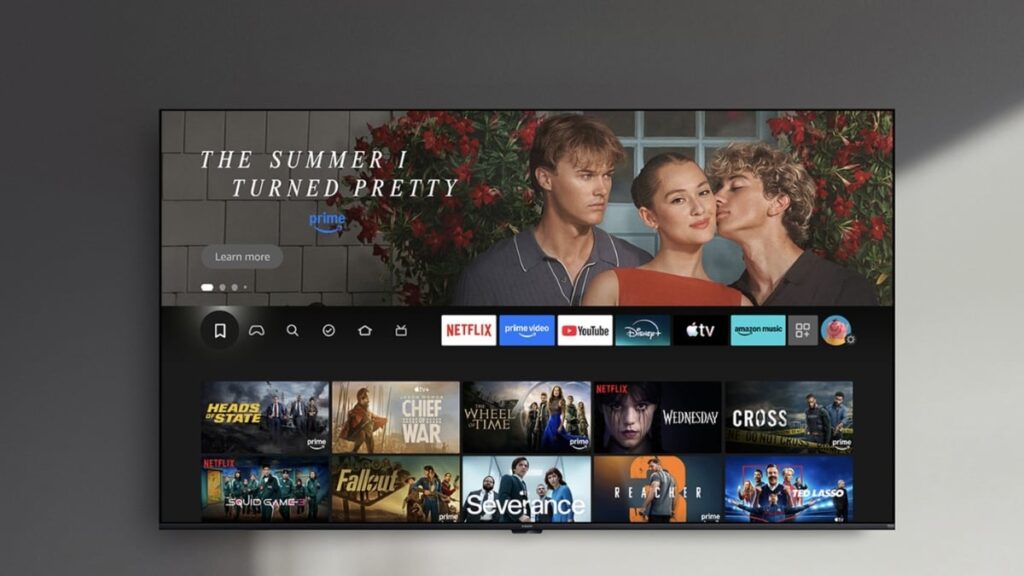
Table of Contents
A Strategic Pivot Toward Amazon’s Ecosystem
Xiaomi is preparing to shake up its television portfolio in India with the official launch of the FX Mini LED Series on June 4. While the hardware focuses on the high-contrast appeal of Mini LED, the more significant story here is the software. In a move that signals a shift in how the company approaches the smart TV experience in one of its most critical markets, Xiaomi has confirmed that the FX series will feature Fire TV built-in.
For years, Xiaomi has leaned heavily on its own PatchWall interface, often layering it over Android TV. By integrating Fire TV directly, Xiaomi is effectively pivoting toward Amazon’s ecosystem—a move likely designed to capture a broader segment of users who prefer the seamless integration of Alexa and the curated content delivery of the Amazon app store. This transition suggests that Xiaomi is prioritizing user accessibility and content discovery over the total control of a proprietary OS.
The Hardware: Mini LED and Quantum MagiQ
The FX Mini LED Series isn’t just a software update; it is an attempt to move Xiaomi’s television offerings upmarket. Mini LED technology, which uses thousands of tiny LEDs to provide more precise local dimming than traditional LEDs, allows for deeper blacks and higher peak brightness. This bridges the gap between standard LED-LCDs and the prohibitively expensive OLED panels.
Central to this launch is the company’s proprietary Quantum MagiQ Technology. While Xiaomi hasn’t released a full white paper on the tech, the company claims it specifically targets color accuracy and motion handling. In the context of the Indian market, where sports—particularly cricket—are a primary driver of TV sales, the promise of “smoother motion handling” is a direct play at the high-refresh-rate requirements of live athletics and gaming.
The series is expected to build upon the foundations laid by the Xiaomi TV S Mini LED (2026), implying that the FX series will refine the backlight zoning and brightness levels to compete with premium offerings from Samsung and Sony. The inclusion of a quad-speaker setup further suggests that Xiaomi is trying to avoid the “thin sound” reputation that plagues many budget-to-mid-range large-screen TVs.
Reading the Market
The timing of this launch is calculated. By deploying Mini LED technology alongside a streamlined OS like Fire TV, Xiaomi is targeting the “aspirational middle”—consumers who want the visual fidelity of a high-end cinema experience without paying the premium for a top-tier Japanese or Korean brand.
However, the transition to Fire TV may raise questions among longtime PatchWall enthusiasts who enjoyed the localized content aggregation Xiaomi built for the Indian audience. Whether the Fire TV integration will coexist with PatchWall in a hybrid capacity or completely replace it remains to be seen, but it represents a clear bet on Amazon’s infrastructure to drive hardware sales.
The official unveiling on June 4 is expected to reveal the full pricing structure and screen sizes, which will ultimately determine if the FX series can disrupt the current Mini LED landscape in India.


