Apple’s Next-Gen TV and HomePod Mini are Ready, But Siri is Holding Them Back
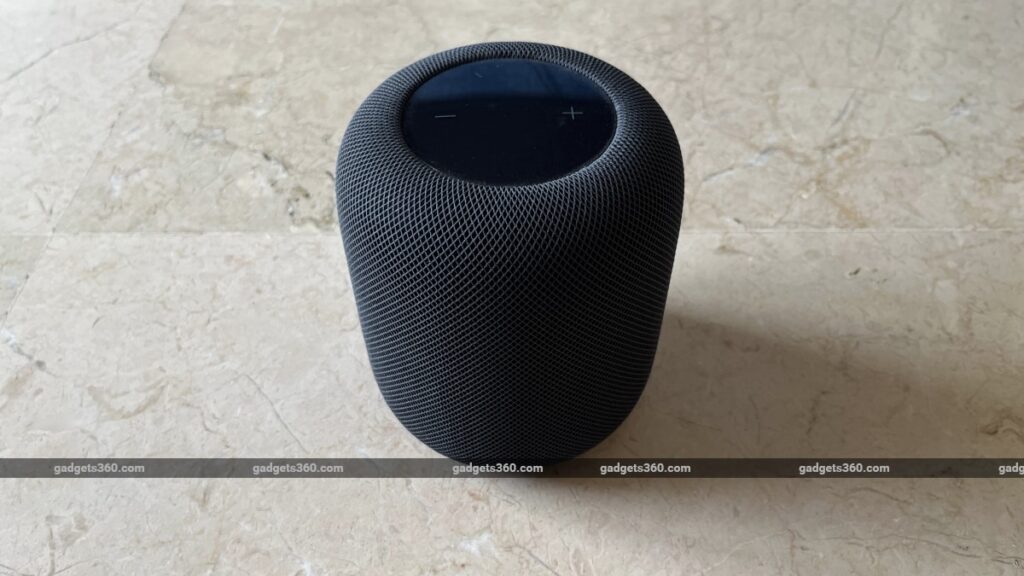
Table of Contents
Hardware is Ready, Software is Not
Apple’s home ecosystem is facing a strange bottleneck. While the company typically aligns hardware releases with software cycles, the next generation of the Apple TV and HomePod mini appears to be sitting in a state of readiness, waiting for the intelligence layer of the operating system to catch up. According to the latest reporting from Bloomberg’s Mark Gurman in his Power On newsletter, the physical units for both devices are essentially finished.
The report indicates that development on these devices wrapped up several months ago. More telling is the internal adoption rate; the new hardware is already being utilized by Apple employees within the company’s Cupertino headquarters. This usually signals that the product has moved past the prototyping phase and into the final validation stage, where the primary hurdle is no longer engineering, but timing.
The Siri Bottleneck
The delay isn’t about a faulty circuit board or a supply chain glitch. Instead, it is rooted in Apple’s aggressive pivot toward generative AI. The current iteration of Siri has long been criticized for its rigidity and lack of contextual awareness, often trailing behind Google Assistant and Amazon Alexa in complex home automation tasks.
For Apple, launching a new HomePod mini or Apple TV with the same legacy Siri experience would be a missed opportunity. The company is reportedly holding the hardware back to ensure these devices launch alongside the most significant Siri overhaul in the assistant’s history. By integrating Large Language Models (LLMs) and a deeper understanding of user intent, Apple aims to transform these devices from simple voice-command hubs into proactive home controllers.
Closing the Performance Gap
The technical necessity for an update is clear. The current Apple TV, while powerful, has relied on the A15 Bionic chip since its 2022 refresh. While the A15 remains capable for streaming 4K content, the demands of on-device AI processing require a more modern architecture. A move to a newer SoC (System on Chip) would not only improve the interface speed but provide the NPU (Neural Processing Unit) headroom needed for the new Siri capabilities.
The HomePod mini is in even more desperate need of a refresh. The existing model relies on the S5 processor—a chip that is effectively seven years old in terms of architecture. This outdated silicon limits the device’s ability to handle complex local processing, forcing it to rely heavily on the cloud for almost every request. A chipset upgrade here would likely reduce latency and allow for more sophisticated local voice recognition.
A Shift in the Remote Experience
Beyond the internals, Gurman suggests the Apple TV may debut a redesigned Siri Remote. While Apple’s transition to the USB-C charging port on the remote was a welcomed change in recent versions, rumors persist of a more fundamental design shift to improve ergonomics and potentially integrate more intuitive shortcuts for the AI-driven features of the new OS.
This strategy of “hardware readiness” suggests that Apple is treating its home category less like a gadget release and more like a platform launch. By tethering the hardware to the AI software rollout, Apple is betting that the jump in utility provided by an intelligent Siri will be the primary selling point, rather than just a faster chip or a sleeker chassis.


