Xiaomi bets on Fire TV and Mini LED for upcoming FX Series India launch
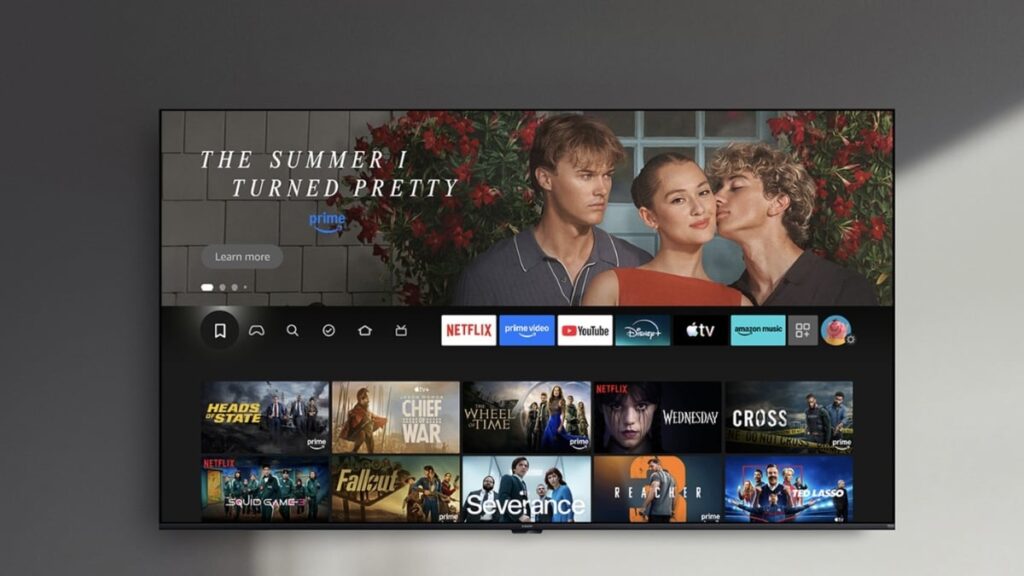
Table of Contents
A strategic pivot in the living room
Xiaomi is doubling down on the premium television segment in India with the upcoming launch of the FX Mini LED Series on June 4. While the company has historically leaned heavily on its own PatchWall interface and Google TV ecosystems, the FX series marks a notable shift toward deeper Amazon integration, arriving with Fire TV built-in as a core feature.
The move suggests a strategic pivot to capture users who prefer the Amazon ecosystem for content discovery and smart home control, positioning the FX series as a direct competitor to high-end offerings from Samsung and Sony. By blending Mini LED hardware with Fire TV software, Xiaomi is attempting to bridge the gap between budget-friendly hardware and a premium, streamlined user experience.
The hardware play: Beyond standard LEDs
At the heart of the FX series is the transition to Mini LED technology. Unlike traditional LED-backlit panels, Mini LEDs use significantly smaller diodes, allowing for more precise local dimming zones. In practical terms, this means the FX series should effectively eliminate the “blooming” effect often seen around bright objects on dark backgrounds—a common grievance for cinephiles using mid-range LED sets.
Accompanying this is the company’s proprietary Quantum MagiQ Technology. While Xiaomi has been vague on the specific technical specifications of MagiQ, industry precedent suggests it is an AI-driven image processing engine designed to handle HDR mapping and color accuracy in real-time. This is particularly critical for the Indian market, where varying ambient lighting conditions in living rooms often wash out standard displays.
The hardware ambition doesn’t stop at the panel. Teasers indicate a quad-speaker setup, moving away from the lackluster dual-down-firing speakers found in cheaper models. This suggests Xiaomi is targeting the “all-in-one” entertainment hub market, reducing the immediate need for a standalone soundbar for the average user.
Contextualizing the Mini LED trend
The FX series follows the trajectory set by the Xiaomi TV S Mini LED (2026), signaling that the company views Mini LED not as a niche luxury, but as the new baseline for its high-end lineup. The industry is currently in a transitional phase; while OLED remains the gold standard for absolute blacks, Mini LED provides a compelling middle ground by offering similar contrast levels with significantly higher peak brightness—making these TVs far better suited for bright, sun-lit rooms.
By integrating Fire TV, Xiaomi is also addressing a recurring pain point: interface lag. Fire TV’s optimized OS is generally regarded as more responsive than some of the heavier skins layered over Android TV, which could give the FX series a competitive edge in navigation speed and app stability.
The road to June 4
While Xiaomi has confirmed the launch date via an official X post, pricing remains the biggest variable. The inclusion of Mini LED and a quad-speaker array suggests a price point significantly higher than the X series, though Xiaomi typically undercuts the premium incumbents. If they can price the FX series aggressively, it could disrupt the mid-to-high range segment in India, forcing other brands to either drop prices or accelerate their own Mini LED rollouts.
For now, the industry is watching to see if Quantum MagiQ can deliver on the promise of “exceptional detail” or if it remains a marketing term for standard upscaling. With the launch set for next week, the technical benchmarks and finalized MSRP will determine if the FX series is a true flagship or simply a refined iteration of previous attempts.


