Xiaomi 17T Pro First Impressions: High-End Ambitions at a Mid-Range Price
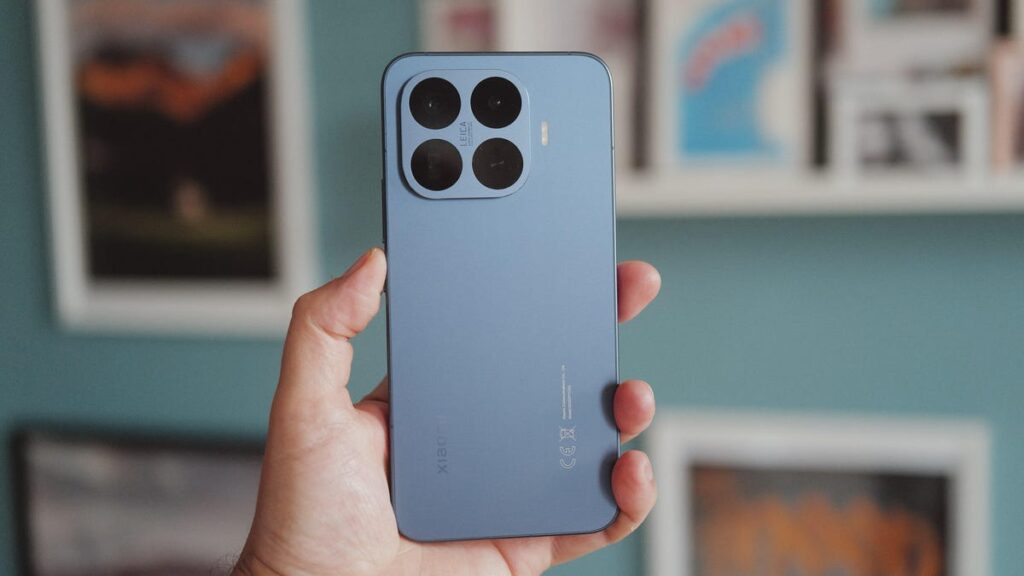
Table of Contents
The Bridge Between Budget and Luxury
Xiaomi has long mastered the art of the ‘flagship killer,’ but the 17T Pro arrives at a precarious moment in the mobile market. With the ultra-premium Leitzphone pushing the ceiling at £1,700, there is a growing void for users who want professional-grade imaging and raw power without the ‘CEO-level’ price tag. At 899 euros (approximately £779), the 17T Pro isn’t just filling that gap; it’s attempting to redefine what a mid-range device can realistically offer.
The first thing that strikes you about the 17T Pro is the tactile quality. Moving away from the plastic-heavy builds often found in this bracket, Xiaomi has opted for a metal chassis that provides a surprising sense of heft and rigidity. The deep blue finish is a welcome departure from the sterile blacks and silvers that dominate the current landscape, lending the device a distinct personality that aligns more with the bold aesthetic of Nothing’s recent hardware than the conservative lines of Samsung.
Imaging Under the Leica Banner
The centerpiece of the 17T Pro is undoubtedly its camera array. While it won’t displace the Leitzphone as the gold standard for mobile photography, the integration of Leica-branded optics here is more than just a marketing exercise. The triple-threat setup consists of a 50-megapixel main sensor, a 50-megapixel telephoto with 5x optical zoom, and a 12-megapixel ultrawide.
The main sensor utilizes a Leica Summilux lens element, designed to maximize light intake and reduce fringing. In early tests, this translates to a punchier, more natural contrast that avoids the over-processed ‘HDR look’ common in competitors like the Pixel 10A. However, the real challenge for Xiaomi will be the telephoto performance; while 5x optical zoom is impressive for this price point, the software’s ability to maintain detail in low-light environments will determine if this is a serious tool for photographers or simply a high-spec gadget.
Performance and the Dimensity Factor
Under the hood, the 17T Pro leans on the MediaTek Dimensity 9500. For years, MediaTek was viewed as the ‘budget’ alternative to Qualcomm’s Snapdragon, but the 9500 is shifting that narrative. Initial benchmark data shows performance levels that comfortably rival last year’s heavy hitters, including the Galaxy S25 Ultra and iPhone 17.
In real-world usage, the silicon proves its mettle in gaming. Running PUBG at maximum settings resulted in a smooth, stutter-free experience, suggesting that the thermal management within the metal frame is keeping the chip from throttling. While it doesn’t quite touch the raw peak power of the S26 Ultra or the Honor Magic 8 Pro, the performance-to-price ratio is arguably the best in its class.
Endurance and Energy
Perhaps the most disruptive spec is the 7,000-mAh silicon carbon battery. Silicon carbon technology allows for higher energy density than traditional lithium-ion, enabling Xiaomi to fit a massive capacity into a chassis that doesn’t feel like a brick. For the average user, this suggests a comfortable two-day runtime, even with the power-hungry 6.83-inch display pushed to its highest brightness.
To mitigate the long charge times associated with such a large cell, Xiaomi has included 100W wired charging. Provided you are using a compatible brick, the 17T Pro can move from near-empty to a usable charge in a fraction of the time it takes an iPhone 17 to top up. This focus on ‘speed and scale’ is where Xiaomi continues to outpace the traditional Western giants.
The 17T Pro positions itself as a versatile daily driver. It manages to be stylish without being fragile and powerful without being overpriced. While it doesn’t aim for the absolute pinnacle of tech, it hits the sweet spot of utility and luxury that most consumers actually need.