WHO Warns of ‘Rapidly Spreading’ Ebola Outbreak in DRC as Risk Level Hits ‘Very High’
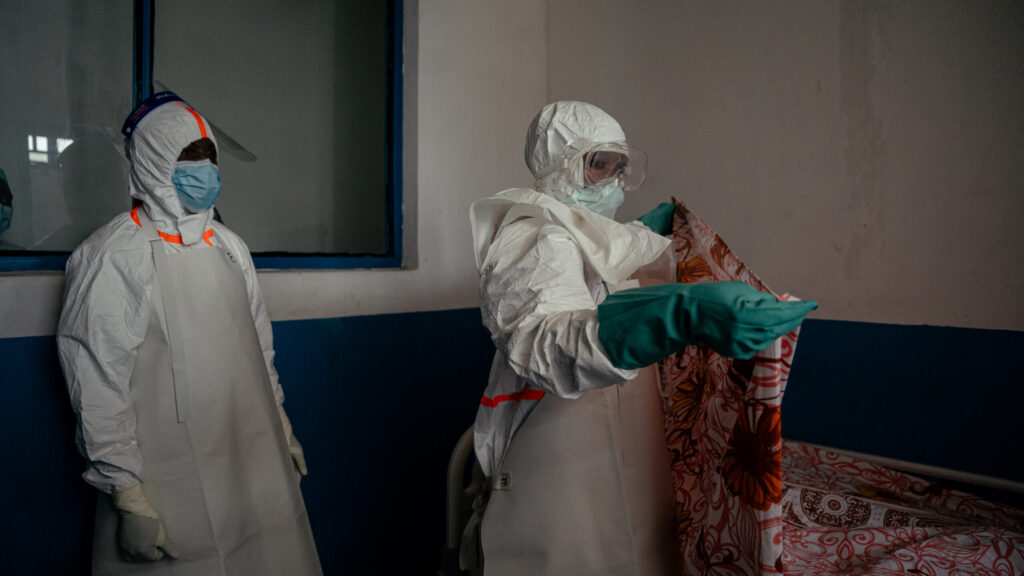
Table of Contents
A Rapidly Escalating Crisis in Ituri
The World Health Organization (WHO) has issued a stark warning regarding an Ebola outbreak in the Ituri province of the Democratic Republic of the Congo (DRC), reporting that the virus is “spreading rapidly.” In a recent press briefing, officials revealed that cases have climbed toward 750, with 177 confirmed deaths. The scale of the crisis is alarming; despite only being formally reported on May 15, the outbreak has already become the third largest on record.
The severity of the situation has forced a revised risk assessment. WHO Director-General Tedros Adhanom Ghebreyesus announced that the risk level at the national level has been upgraded from “high” to “very high.” While the regional risk remains high and the global risk is currently categorized as low, the speed of transmission suggests a volatile situation on the ground.
The Detection Gap and the ‘Sprinting’ Response
Health officials have admitted that a critical delay in detecting the initial clusters allowed the virus to gain a foothold. Dr. Anne Ancia, reporting from the DRC, noted that by the time responders arrived, the virus had been “silently disseminating” for weeks. Retrospective investigations suggest the first suspected case—a health worker in the capital city of Bunia—developed symptoms as early as April 24. However, the WHO was not alerted until May 5, following a cluster of deaths among four medical professionals.
By the time international teams touched down, 80 cases had already been recorded. “Now we are sprinting behind [the virus],” Dr. Ancia said, acknowledging that case numbers will likely continue to rise until full response operations are operational.
A Technical Challenge: The Bundibugyo Strain
Compounding the crisis is the specific nature of the pathogen. This outbreak is caused by the Bundibugyo virus, a less common strain of Ebola for which there are currently no established vaccines or therapeutics. This leaves medical teams reliant on traditional, resource-heavy containment strategies: active case finding, strict isolation, and rigorous contact tracing.
These efforts are being hampered by a perfect storm of systemic failures. The virus is circulating in regions plagued by armed conflict, high population mobility, and crumbling health infrastructure. Furthermore, millions in the affected areas are facing acute hunger, making the population more vulnerable and the logistics of containment significantly more complex.
The Collapse of Global Health Leadership
The outbreak has sparked a fierce debate among public health experts regarding the erosion of U.S. leadership in global health. Historically, the U.S. Agency for International Development (USAID) and the CDC were the backbone of Ebola responses in Central Africa. However, critics argue that recent systemic cuts and the U.S. withdrawal from the WHO have left a dangerous vacuum.
Craig Spencer, a Brown University professor and emergency medicine doctor who contracted Ebola in 2014, described the current state of affairs as an abdication of responsibility. Reports indicate that the delay in early detection was partially due to logistical failures, including samples being transported to the national lab in Kinshasa at incorrect temperatures—a task previously managed by USAID.
The shortage of personal protective equipment (PPE) has also been highlighted. Megan Fotheringham, a former USAID deputy director, noted that health workers in Ituri lacked basic respirators and face shields for weeks. She emphasized that under previous operational frameworks, such stockpiles could have been deployed within hours.
Conflicting Reports on Resource Deployment
While the CDC recently stated it is ramping up field staff and funding the creation of up to 50 treatment clinics across the DRC and Uganda, these claims have met with skepticism. Ugandan officials recently stated they were “not aware” of any such plans, despite reporting two imported cases from the DRC.
The lack of coordination has extended to patient care. Questions regarding why an American doctor infected during the outbreak was evacuated to Germany rather than the U.S. remain unanswered, further highlighting the fractured nature of the current international response.