DRC Ebola Outbreak Escalates as Rare Virus Strains Fragile Health Infrastructure
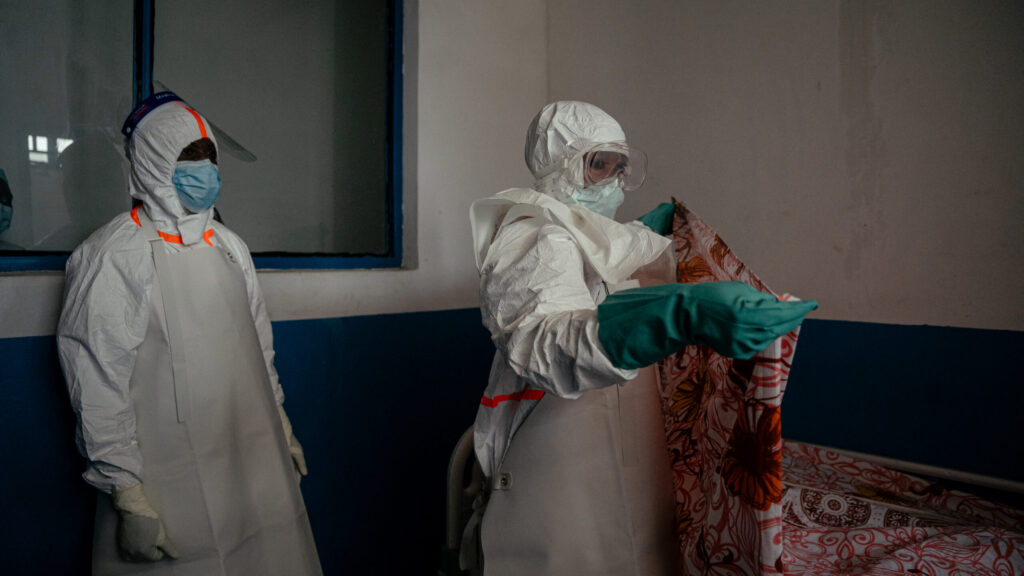
Table of Contents
A Rapid Escalation in Ituri
The World Health Organization (WHO) has issued a stark warning as an Ebola outbreak in the Ituri province of the Democratic Republic of the Congo (DRC) accelerates with alarming speed. In a recent press briefing, officials revealed that cases have surged to nearly 750, with 177 deaths confirmed. The scale of the crisis is particularly concerning given the timeline; the outbreak was only officially reported on May 15, yet it has already climbed to become the third largest recorded Ebola event in history.
WHO Director-General Tedros Adhanom Ghebreyesus described the situation as “spreading rapidly,” prompting a revised risk assessment. The risk level at the national level has been upgraded from “high” to “very high,” while regional risks remain high. Global risk is currently categorized as low, though the volatility of the situation in Central Africa keeps international health monitors on high alert.
The Silent Spread and Detection Gaps
The current crisis was exacerbated by a critical delay in early detection. According to Dr. Anne Ancia, a WHO representative stationed in the DRC, the virus had been “silently disseminating” for weeks before the international community was alerted. Retrospective investigations suggest the earliest suspected case occurred on April 24 in Bunia, the capital of Ituri, involving a health worker.
By the time the WHO received a report of a cluster of unidentified deadly infections on May 5—which had already claimed four health workers—the virus had a significant head start. When the first response teams arrived on the ground, 80 cases had already been identified, leaving health officials to “sprint” behind a pathogen that was already entrenched in the community.
The Bundibugyo Variable
Unlike more common strains of Ebola, this outbreak is driven by the Bundibugyo virus. This specific strain presents a formidable challenge to medical teams because there are currently no established vaccines or approved therapeutics tailored for it. This leaves the WHO and local health authorities relying on traditional, labor-intensive containment strategies: active case finding, strict isolation, and rigorous contact tracing.
These efforts are further complicated by the geopolitical climate of Ituri. The region is currently plagued by armed conflict, high population mobility, and systemic poverty. For millions of residents facing acute hunger, the ability to adhere to isolation protocols or seek early medical intervention is severely limited by the lack of stable health infrastructure.
Logistical Failures and the Global Health Vacuum
The crisis has reignited a fierce debate over the erosion of global health leadership. Public health experts and former officials have pointed to a dangerous vacuum left by the scaling back of U.S. involvement in regional health security. Specifically, the role of the U.S. Agency for International Development (USAID) and the Centers for Disease Control and Prevention (CDC) has been heavily scrutinized.
Reports indicate that the delay in detecting the outbreak was partially due to a failure in the cold chain; samples from infected patients were reportedly transported to a national laboratory in Kinshasa at the wrong temperature, rendering them useless for timely diagnosis. This logistical pipeline was previously a cornerstone of USAID’s regional support.
Beyond diagnostics, there is a critical shortage of Personal Protective Equipment (PPE). Health workers in the DRC have spent weeks operating without adequate face shields, respirators, and impermeable coveralls. Megan Fotheringham, a former USAID deputy director of infectious diseases, noted that had the agency’s previous infrastructure remained intact, stockpiles of PPE could have been deployed within hours of the first alert.
The Human Cost of Containment
The Ebola virus is often described as a “disease of compassion” because it is transmitted through direct contact with bodily fluids. This puts caregivers—parents tending to children and family members performing burial rites—at the highest risk. In one reported instance, an entire family of seven contracted the virus; only the parents survived, having cared for their children through the final stages of the illness.
While the CDC has stated it is ramping up resources and field staff, and mentioning plans for treatment clinics in the DRC and Uganda, the execution remains fragmented. Uganda has recently stated it was unaware of these specific plans, highlighting a disconnect in the coordination between the U.S. administration and the sovereign nations on the front lines of the outbreak.