Vizio Faces August Trial Over Smart TV Source Code Dispute
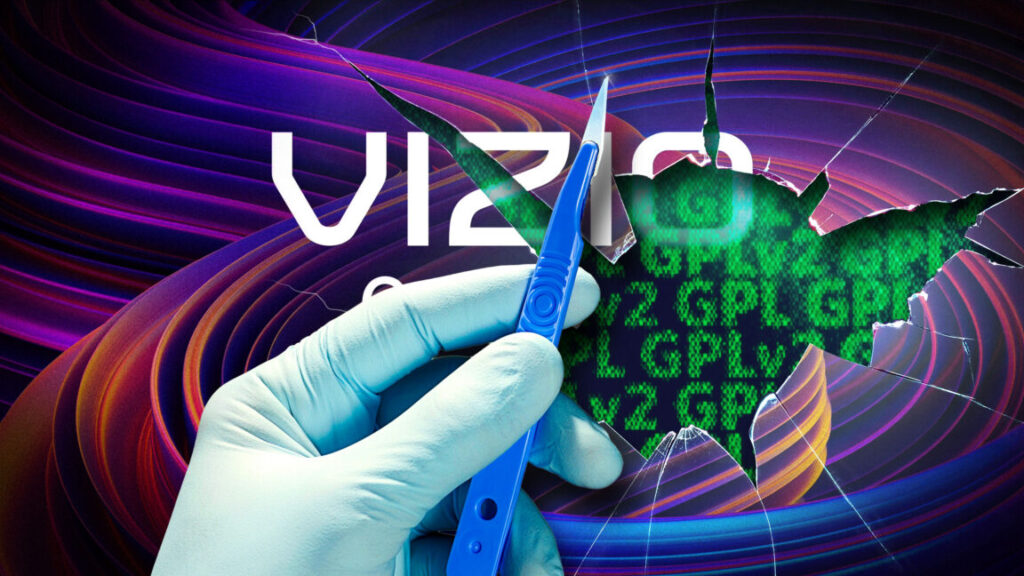
Table of Contents
A Battle Over the Kernel
For years, the ownership of a Vizio smart TV has come with a silent agreement: you own the hardware, but Vizio owns the experience. From the ads that pepper the home screen to the automatic content recognition (ACR) systems that track what you watch, the software layer is a black box. Now, that box is being pried open in a California courtroom.
The Software Freedom Conservancy (SFC), a nonprofit dedicated to the enforcement of open-source licenses, is taking Vizio to trial this August. At the heart of the dispute is whether Vizio has violated the General Public License (GPL) by refusing to release the complete source code for Vizio OS, the Linux-based operating system powering millions of sets.
This isn’t a sudden legal skirmish. The SFC has been pursuing this for eight years, eventually filing suit in 2021. After a series of delays and amended complaints, the case is finally moving toward a jury decision in the Orange County Superior Court.
The GPL Compliance Gap
The technical core of the lawsuit rests on the distinction between sharing some code and sharing functional code. The SFC acknowledges that Vizio has released portions of its operating system’s source code. However, they argue that these snippets are essentially useless for anyone wanting to actually modify or rebuild the software.
According to the SFC’s amended 2024 complaint, the provided code lacks the necessary scripts and files required to compile the software into an executable form. Under the terms of GPLv2, “complete source code” isn’t just a dump of text files; it includes all modules, interface definition files, and the specific scripts used to control installation.
“We expect all companies who distribute Linux and other software using right-to-repair agreements like the GPL in their products would comply with these agreements,” Denver Gingerich, the SFC’s director of compliance, told reporters. For the SFC, this is about more than just one company; it’s about preventing a precedent where corporations treat open-source licenses as optional suggestions rather than binding contracts.
Industry-Wide Implications
While Vizio—now closely tied to its parent company, Walmart—is the sole defendant, the ripple effects could touch almost every major player in the living room. Many of the most dominant smart TV platforms, including Samsung’s Tizen, LG’s webOS, and Roku OS, rely on Linux kernels and various GPL-licensed components.
If the court rules that Vizio must provide the executable source code, it could spark a wave of similar demands across the industry. For the average user, this would mean the possibility of installing community-driven, ad-free versions of their TV’s OS or disabling invasive tracking features that are currently baked into the proprietary firmware.
The Technical Breakdown
The SFC’s investigation suggests Vizio OS is a hybrid of different Linux environments. One layer appears to be based on Ubuntu, which handles the user interface and streaming applications. A second, lower-level layer is believed to be a custom version of the kernel supplied by Vizio’s chip vendor.
Beyond the kernel, the SFC points to the use of other critical open-source tools within Vizio OS that fall under the GPLv2 or LGPLv2.1 licenses, including:
- BusyBox and GNU Bash: Essential utilities for the system’s command-line environment.
- dnsmasq and GNU Tar: Networking and archival tools.
- Systemd and FFmpeg: System management and multimedia processing.
Vizio has consistently pushed back against these claims, maintaining that its disclosures meet the legal requirements of the licenses. However, they have largely remained silent in the lead-up to the trial, declining multiple requests for comment.
The Free Software Foundation (FSF), the steward of the GPL, has thrown its weight behind the SFC. Zoë Kooyman, the FSF’s executive director, recently affirmed that users should be free to enforce their rights to source code through any available legal mechanism. For the FSF, the case is a fundamental test of the “four essential freedoms”—the right to run, study, modify, and share software.