Vatican Issues AI Encyclical ‘Magnifica Humanitas’ as Pope Leo XIV Calls for New Moral Architecture
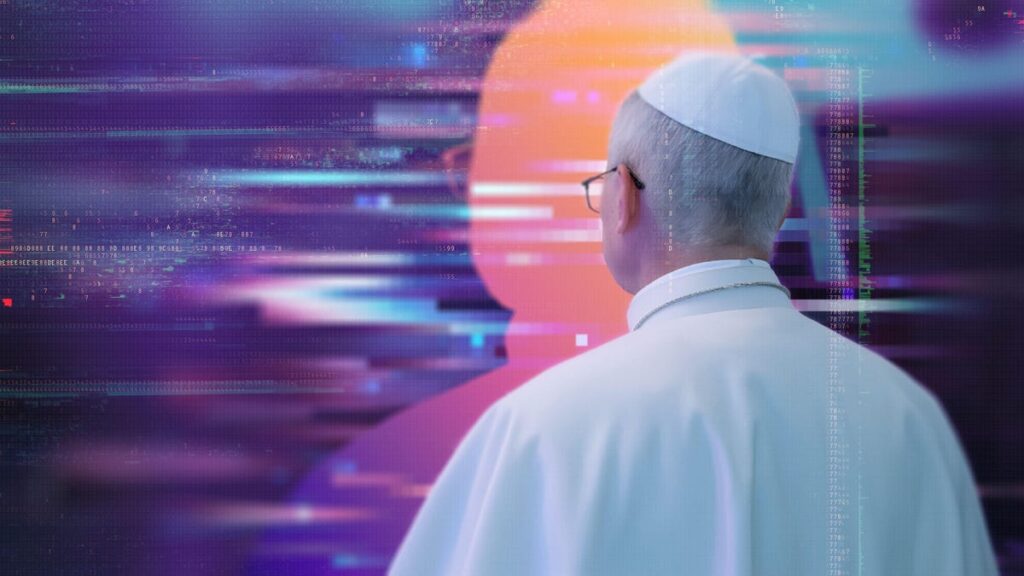
Table of Contents
A Direct Parallel to the Industrial Revolution
In a move that signals a significant escalation in the global conversation surrounding artificial intelligence ethics, Pope Leo XIV has issued Magnifica Humanitas. The encyclical, published on May 25, serves as the Vatican’s formal theological and moral response to the rapid deployment of generative AI and autonomous systems. The timing of the release is far from accidental; the Pope signed the document exactly 135 years after his predecessor, Leo XIII, published Rerum Novarum, the landmark text that attempted to provide a moral compass for the Industrial Revolution.
The historical symmetry is an explicit warning. Rerum Novarum arrived after decades of industrialization had already decimated traditional community structures and institutionalized worker exploitation. By the time the Church provided its framework, the physical and social architecture of the industrial age was already fixed. With Magnifica Humanitas, the Vatican is arguing that the window to influence the trajectory of AI is closing rapidly, and that waiting for a post-hoc regulatory response will be a catastrophic mistake.
Bridging the Gap Between Silicon Valley and Faith
The drive toward this encyclical has been bolstered by unconventional diplomacy. Baroness Joanna Shields OBE, CEO of Precognition and a member of the UK House of Lords, has been a pivotal figure in facilitating the dialogue between the Holy See and the architects of modern AI. Through the Faith-AI Covenant project, Shields has worked to bridge the structural divide between the engineers developing Large Language Models (LLMs) and the world’s largest moral institutions.
Current industry leaders have already acknowledged the unprecedented scale of the current shift. Demis Hassabis of Google DeepMind has characterized the AI revolution as being ten times the scale and speed of the industrial revolution, while OpenAI’s Sam Altman has suggested that the societal shifts may necessitate a new social contract akin to the New Deal. The Vatican’s intervention seeks to ensure that this new contract is not written solely by a narrow circle of corporate executives in San Francisco and London, but is instead grounded in a universal conception of human dignity.
The ‘Human Dignity’ Mandate
At the core of Magnifica Humanitas is the assertion that human dignity is non-negotiable and cannot be subsumed by productivity gains or market efficiency. The encyclical raises critical questions about the “operating system of life,” questioning whether the delegation of human agency to algorithmic systems erodes the very essence of moral responsibility.
The Faith-AI Covenant project recently convened a roundtable in New York, bringing together representatives from Anthropic and OpenAI with senior religious leaders. The objective was to move beyond surface-level “AI safety”—which often focuses on catastrophic risk or technical alignment—and instead address “AI justice.” For the 1.5 billion Catholics and the broader interfaith community the Vatican represents, the primary concern is whether AI will act as a tool for civilizational uplift or a mechanism for further concentrating power and marginalizing the vulnerable.
Moving Beyond Regulation
Unlike government regulatory bodies that seek to impose laws from the outside, the Vatican’s approach via the encyclical is an attempt to embed values directly into the developmental process. The goal is to influence the “path dependencies” of AI—the technical decisions made today that will lock in how these systems behave for decades.
By asserting that the moral framework must precede the finality of the architecture, Pope Leo XIV is positioning the Church as a critical stakeholder in a technical field. The message to investors and developers is clear: a vast constituency of the global population is now formally monitoring the alignment of AI with human rights and dignity, and they are demanding a seat at the table before the design phase is complete.