US Treasury Yields Spike as New Fed Chair Warsh Faces Inflation Storm
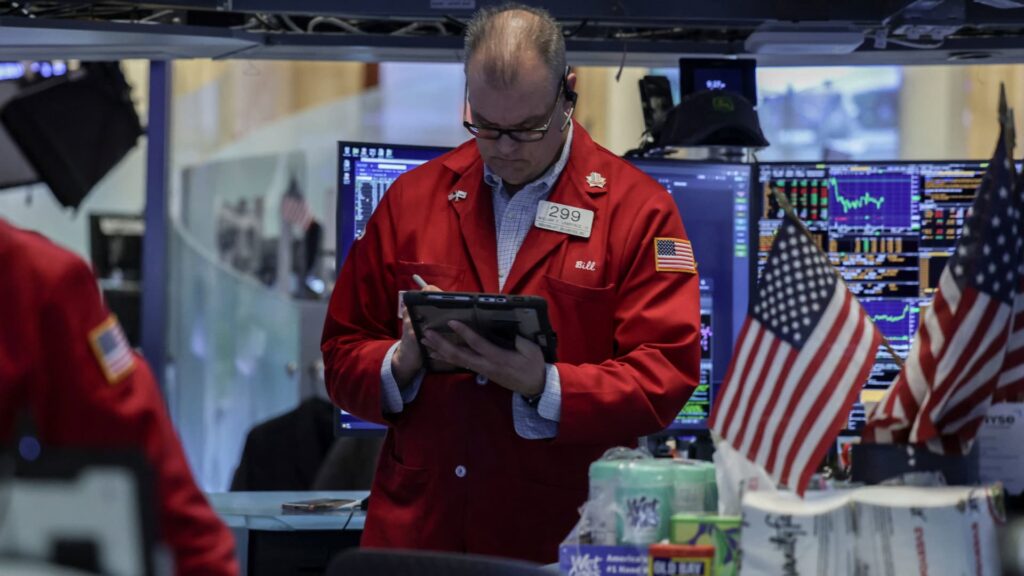
Table of Contents
US Treasury Yields Spike as New Fed Chair Warsh Faces Inflation Storm
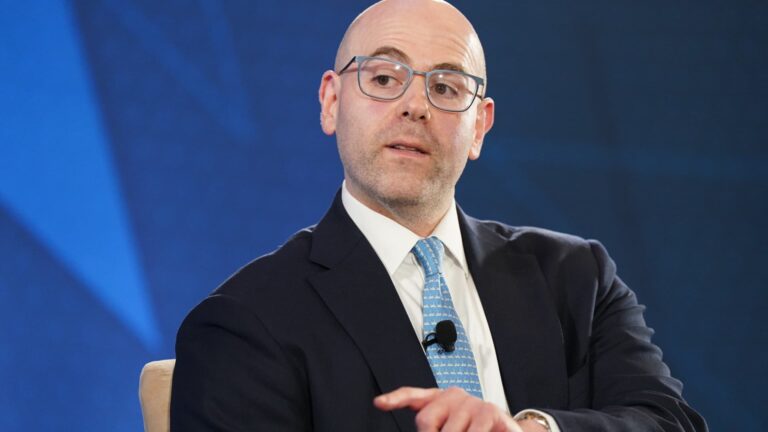
US Treasury yields surged on Friday morning, with the 30-year bond hitting its highest level in nearly a year. The market volatility comes as traders attempt to price in the monetary policy direction under the newly confirmed Federal Reserve Chair, Kevin Warsh.
The sudden spike reflects a growing tension between political pressure for lower interest rates and a stark reality of climbing consumer and producer prices. As the bond market reacts to messy inflation data, the ripple effects are being felt across global financial hubs, from New York to Tokyo.
- Main Update: 30-year Treasury yield jumped over 10 basis points to 5.117%.
- Key Driver: Rising inflation data combined with geopolitical energy volatility.
- Leadership: Kevin Warsh officially confirmed as Fed Chair amidst fiscal instability.
- Market Context: Highest yields since May 2025, signaling deep investor concern.
Bond Market Volatility and the ‘Warsh Effect’
The yield on the 30-year bond jumped more than 10 basis points to reach 5.117%, the highest mark since May 22, 2025. This movement places the yield dangerously close to the peaks seen in October 2023, suggesting that investors are bracing for a prolonged period of high borrowing costs.
This isn’t just a long-term trend; shorter-term benchmarks are following suit. The 10-year Treasury note—the primary benchmark for global borrowing—surged by more than 11 basis points to 4.573%. Simultaneously, the 2-year note, which typically mirrors immediate Fed rate expectations, climbed 8 basis points to 4.075%.
The Tension of Monetary Policy
Kevin Warsh enters the Chairmanship at a precarious moment. While President Donald Trump has consistently advocated for aggressive interest rate cuts to stimulate growth, the underlying economic data tells a different story. The Federal Reserve must now balance political mandates with the technical necessity of curbing inflation.
Market analysts suggest that the AI-driven financial models currently used by hedge funds are flagging a high probability of “sticky” inflation, making a rapid pivot to lower rates unlikely without risking a price spiral.
- CPI Inflation: Now at 3.8%, the highest since May 2023.
- Producer Prices: Annual rate hit 6%, signaling upstream pressure.
- Import Costs: Rose 1.9% in April due to Middle East instability.
Inflationary Pressures and Energy Shocks
The catalyst for Friday’s sell-off is a combination of poor inflation readouts and geopolitical friction. Data from the Bureau of Labor Statistics revealed that import prices rose 4.2% on a 12-month basis, the most significant jump since October 2022. This is largely attributed to conflict in the Middle East driving up the cost of crude oil.
Adding fuel to the fire, energy prices spiked following a diplomatic stalemate between the U.S. and China. After a meeting between President Trump and Xi Jinping ended with few concrete agreements, oil benchmarks reacted sharply.
| Benchmark | Current Price | Increase |
|---|---|---|
| WTI Crude (US) | $104.39 | +$3.22 |
| Brent Crude (Global) | $108.30 | +$2.58 |
| 30-Year Yield | 5.117% | +10 bps |
Why This Matters for the Global Economy
The spike in US yields acts as a gravitational pull for other sovereign debts. We are seeing a contagious effect: German bunds (10-year) jumped to 3.127%, and Japanese government bonds rose by 7 basis points to 2.69%. Even UK gilts hit 4.56%, reflecting a global shift toward higher risk premiums.
From a technical perspective, this indicates that global financial infrastructure is becoming increasingly sensitive to US fiscal deficits. With interest costs on the debt reaching $97 billion—the second-highest expenditure after Social Security—the U.S. is essentially paying a premium to maintain its debt load.
The Debt Trap Scenario
Peter Boockvar, CIO of One Point BFG Wealth Partners, warns that long-end rates are now effectively controlling monetary policy. When the 30-year yield climbs, it increases the cost of mortgages and corporate loans, effectively tightening the economy even if the Fed keeps short-term rates steady.
What Happens Next?
All eyes now turn to the remaining Friday data releases. Investors are awaiting monthly industrial production data and the New York state manufacturing activity index for April to determine if the economy is cooling or overheating.
If the manufacturing data shows continued strength despite high rates, the Fed may be forced to maintain a hawkish stance, potentially pushing the 30-year yield even higher. For those tracking fintech and startup valuations, this environment is particularly perilous as the cost of capital remains elevated.
Source: Federal Reserve official announcements, Bureau of Labor Statistics, and market data from Bloomberg/Reuters.