US-Iran Peace Pact Teeters as Israel Defies Ceasefire in Southern Lebanon
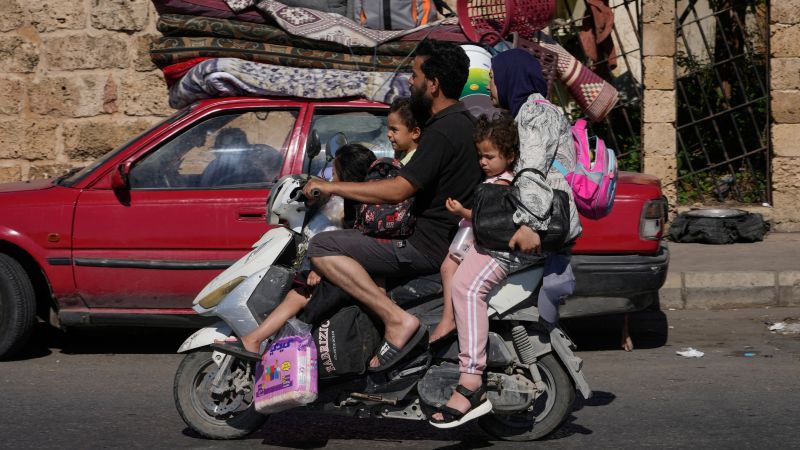
Table of Contents
A Fragile Peace Under Fire
A tentative diplomatic breakthrough between the United States and Iran, designed to end months of high-stakes conflict, is currently facing a critical breaking point. The memorandum of understanding, which stipulates an immediate and permanent termination of military operations across all fronts, is being undermined by persistent fighting in southern Lebanon, where Israeli forces have refused to withdraw despite the terms of the deal.
The agreement, mediated by Pakistani and Qatari officials, was intended to serve as a gateway to resolving deeper, long-term systemic issues, including the status of Tehran’s nuclear program and the lifting of economic sanctions. However, the reality on the ground in Lebanon has created a strategic deadlock. While the U.S. and Iran have signed off on a ceasefire to protect Hezbollah—provided the group ceases fire toward Israel—the Israeli government has remained steadfast in its refusal to vacate southern Lebanese territory.
The Buffer Zone Strategy
The current escalation is not an isolated incident but the result of a cycle of violence that intensified following the death of Iran’s supreme leader, Ayatollah Ali Khamenei, in a February airstrike. In response, Hezbollah initiated a new wave of rocket attacks on northern Israel, prompting the Israeli Defense Forces (IDF) to push deeper into Lebanese territory. The stated objective is the creation of a security buffer zone to prevent future incursions, a move that has resulted in the displacement of thousands of Lebanese civilians and the demolition of vast residential areas.
According to data from Lebanon’s health ministry, the campaign since March 2 has resulted in 4,057 deaths. For the Israeli leadership, however, the military objective outweighs the diplomatic pressure. Prime Minister Benjamin Netanyahu has explicitly stated that the restoration of security in northern Israel is a non-negotiable priority, asserting that the government will not withdraw until its security requirements are met.
Diplomatic Friction in Washington
The tension is not only playing out on the battlefield but within the U.S. administration. Vice President JD Vance has reportedly grown impatient with Israel’s public criticism of the Iran agreement. In a series of pointed warnings, Vance has urged Israel not to undermine its “only powerful ally,” signaling a potential rift in the traditionally close security relationship between the two nations.
President Donald Trump echoed the need for a comprehensive halt to hostilities via social media on Thursday, emphasizing that a complete ceasefire involving Lebanon, Hezbollah, and Israel is a core expectation of the deal. Yet, the Israeli cabinet remains divided. National Security Minister Itamar Ben Gvir has pushed back against American pressure, arguing that the security of Israeli citizens cannot be sacrificed for the sake of a diplomatic agreement with Tehran.
The High Stakes of Failure
The implications of a collapsed deal extend far beyond the border of Lebanon. The instability has already forced the postponement of critical talks in Switzerland and threatened the stability of the Strait of Hormuz, a vital artery for global energy markets. For Iran, the end of Israeli strikes on Hezbollah is a primary demand; Tehran has indicated that guarantees of a cessation of hostilities in Lebanon are a prerequisite for any further engagement with U.S. officials.
As negotiations resume in Switzerland, the central question remains whether the U.S. can exert enough leverage over Israel to enforce a withdrawal, or if the regional security dynamics are now too entrenched for a paper agreement to hold.