US and Iran Reach Tentative Deal to Ease Strait of Hormuz Tensions, Pending Trump Approval
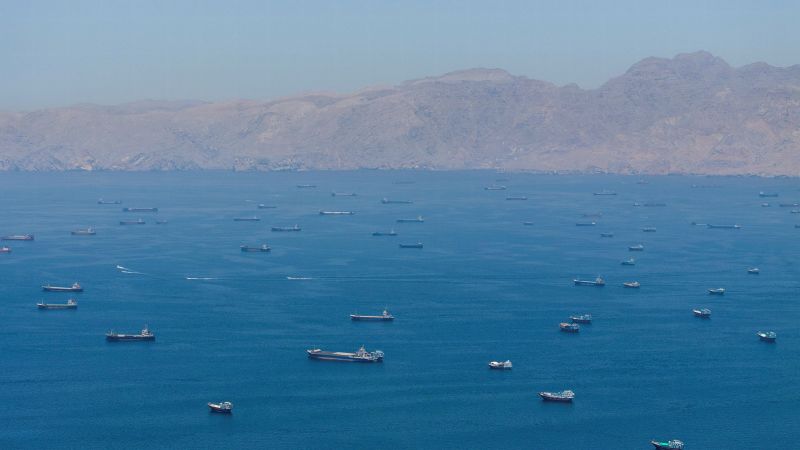
Table of Contents
A Fragile Truce in the Gulf
US officials have revealed that the United States and Iran have reached a tentative agreement aimed at stabilizing one of the world’s most volatile maritime chokepoints and restarting stalled nuclear negotiations. The deal, which remains unofficial until it receives a final sign-off from President Donald Trump, focuses on the reopening of the Strait of Hormuz to ensure the uninterrupted flow of global energy supplies.
The agreement comes at a moment of extreme friction. While the diplomatic channels are signaling a potential thaw, the military reality on the ground remains aggressive. Iranian officials have not yet publicly acknowledged the deal, maintaining a strategic silence as the White House weighs the terms of the arrangement.
The Mechanics of the Negotiation
Vice President JD Vance provided a glimpse into the current state of the talks, noting that while the broad framework is in place, a “couple of language points” are still being debated. These linguistic nuances often hide significant geopolitical concessions, particularly regarding the verification of nuclear activities and the timing of sanctions relief.
According to sources close to the negotiations, the deal is not a final settlement but rather a diplomatic bridge. If ratified, it would trigger a 60-day window of intensive negotiations regarding Tehran’s nuclear program. This period is intended to determine whether Iran will return to the constraints of a formalized deal or if the US will maintain its policy of maximum pressure.
Kinetic Escalation Amidst Diplomacy
The tentative nature of these talks is underscored by continued military aggression. US Central Command (CENTCOM) reported that Iran fired a ballistic missile toward Kuwait late Wednesday. The missile was successfully intercepted, preventing a direct hit, but the act serves as a reminder of the narrow margin for error in the region.
This latest launch follows an Iranian military claim that it targeted an American air base in retaliation for recent US strikes. This “tit-for-tat” cycle of violence creates a paradoxical environment where high-level diplomats are drafting peace treaties while military commanders are managing active combat intercepts.
The Strategic Weight of the Strait of Hormuz
The primary driver for this tentative deal is the economic vulnerability of the Strait of Hormuz. As a critical artery for global oil and gas, any sustained closure or blockade would send shockwaves through global energy markets, potentially triggering an inflationary spike that would be politically untenable for the Trump administration.
By securing a commitment to keep the Strait open, the US gains a critical short-term economic win, while Iran potentially secures a pathway back to the negotiating table to address the crushing weight of international sanctions. However, the lack of an official Iranian statement suggests that Tehran is waiting to see if the US will offer more concrete guarantees before committing to the 60-day window.
The final decision now rests with President Trump. His history of unpredictable diplomatic pivots means that even a “tentative agreement” is subject to rapid change based on the perceived strength of the US leverage at the moment of signing.