U.S. Grants Huawei 90-Day Reprieve to Prevent Global Telecom Chaos
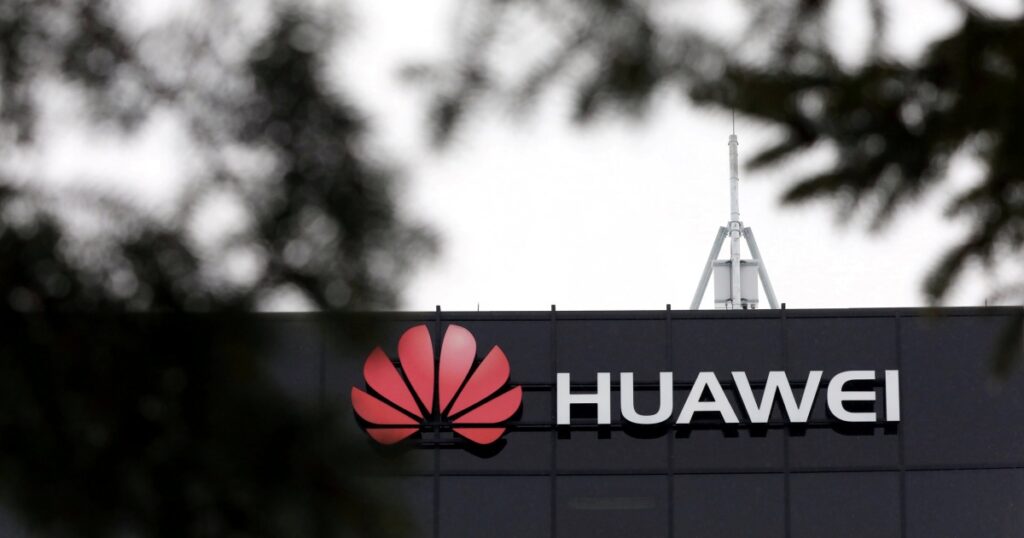
Table of Contents
A Tactical Retreat to Avoid Systemic Failure
The U.S. government has stepped back from the precipice of a total blackout for Huawei customers, announcing a 90-day temporary easing of the trade restrictions imposed last week. The U.S. Commerce Department’s decision is a calculated move to prevent a catastrophic failure of telecommunications networks worldwide that rely heavily on the Chinese giant’s infrastructure.
Under the new temporary general license, which remains in effect until August 19, Huawei Technologies Co Ltd is permitted to continue purchasing American-made goods specifically for the maintenance of existing networks and the delivery of critical software updates for handsets already in the hands of consumers. However, the core of the ban remains intact: Huawei is still strictly prohibited from acquiring U.S. components for the manufacture of new products without specific license approvals—approvals that industry insiders expect will be systematically denied.
U.S. Secretary of Commerce Wilbur Ross framed the move as a necessity for stability, stating that the authorization is intended to give telecom providers a window of time to find alternative arrangements. It is an admission that the sudden excision of Huawei from the global supply chain could trigger unintended, far-reaching consequences for innocent third parties.
The ‘Housekeeping’ Phase of Geopolitical Conflict
To the legal community in Washington, this is less a policy reversal and more of a pragmatic cleanup operation. Kevin Wolf, a former Commerce Department official, described the move as “housekeeping” rather than a capitulation. The logic is simple: if a major carrier in Europe or a rural provider in the U.S. sees its network crash because a critical security patch or replacement part is blocked by a trade war, the fallout hits American interests and global stability, not just Huawei’s bottom line.
The scale of the dependency is staggering. In 2018, Huawei spent approximately $70 billion on components, with roughly $11 billion flowing directly to U.S. firms including Intel Corp, Qualcomm, and Micron Technology Inc. Forcing an immediate disconnect from these suppliers would not only cripple Huawei but create immediate volatility for the American semiconductor firms that rely on those massive revenue streams.
Beyond Hardware: Software and 5G Standards
The temporary license isn’t just about physical parts; it extends to the invisible architecture of the internet. The authorization allows for the disclosure of security vulnerabilities and permits Huawei to continue participating in the development of global standards for future 5G networks. This is a critical nuance, as locking Huawei out of the standards-setting process could lead to a fragmented global 5G ecosystem, potentially splitting the world into two incompatible technical spheres.
Despite this reprieve, the corporate environment remains hostile. Google has already signaled a pivot, suspending business with Huawei that requires the transfer of hardware, software, and technical services, unless those services are publicly available via open-source licensing. While the U.S. government is pausing to avoid a crash, private sector giants are already accelerating their exit strategies.
Echoes of the ZTE Crisis
This strategy mirrors the U.S. government’s handling of ZTE Corp, a smaller Chinese rival. When a similar ban was imposed on ZTE in April, it created operational havoc for wireless carriers across South Asia and Europe. The U.S. eventually lifted that ban in July after ZTE agreed to a massive overhaul, including a $1 billion fine, an escrow payment of $400 million, and a total replacement of its board and senior management.
The 90-day window now facing Huawei serves as a reality check on the pervasive nature of Chinese technology. Whether this temporary license will be extended beyond August 19 depends on the Commerce Department’s evaluation of the risk to global connectivity. For now, the world’s networks are breathing a sigh of relief, but the structural disconnect remains inevitable.