Trump-Xi Summit: Tech Triumphs and Trade Truces in Beijing
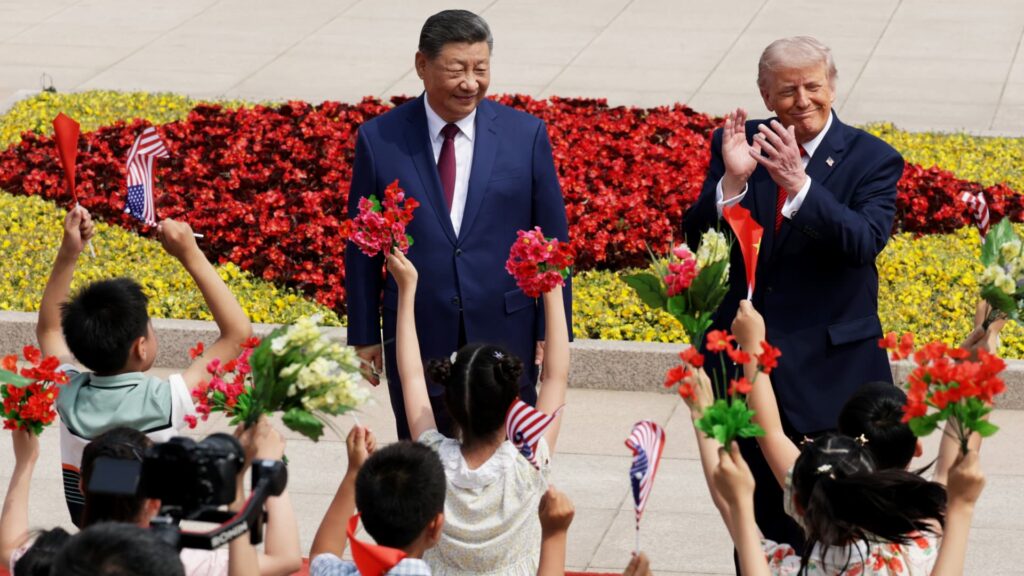
Table of Contents
Trump-Xi Summit: The Strategic Pivot for Tech and Trade in Beijing
In a high-stakes diplomatic gambit, U.S. President Donald Trump and Chinese President Xi Jinping have concluded their two-day summit in Beijing, signaling a fragile but functional stabilization of the world’s two largest economies.
The meeting, which was delayed by regional instability and the Iran conflict, focused on bridging the gap between transactional trade wins and long-term strategic stability. While the geopolitical tension regarding Taiwan remained a simmering undercurrent, the outcomes for the American tech and aerospace sectors provided the most tangible results of the visit.
- Main Update: Bilateral trade truce strengthened with a plan for a follow-up meeting in September.
- Key Feature: U.S. government approval for Nvidia to export H200 chips to major Chinese firms.
- Aerospace Win: China committed to purchasing 200 Boeing jets, exceeding initial company expectations.
- Strategic Outlook: A new three-year “strategic stability” framework established to guide diplomatic relations.
The Tech Breakthrough: Nvidia and the AI Chip War
Perhaps the most significant win for Silicon Valley came via the relaxation of strict export controls. Reports indicate that Nvidia has received the green light from Washington to sell its high-end H200 chips to select major Chinese enterprises.
Impact on the AI Ecosystem
This move is a calculated risk. By allowing the H200s—which are slightly tuned to comply with U.S. security standards—to enter the Chinese market, the U.S. maintains a revenue stream for its domestic chipmakers while preventing China from pivoting entirely to domestic alternatives.
- Market Reaction: Tech stocks surged following the announcement, as investors anticipate a massive revenue spike for Nvidia.
- Hardware Shift: The move allows Chinese AI labs to continue scaling their LLMs without relying solely on inferior legacy hardware.
- Regulatory Precedent: This suggests a shift toward “managed trade” in the AI sector rather than a total decoupling.
Aerospace and Energy: Transactional Victories
President Trump’s preference for transactional diplomacy was on full display regarding Boeing and the energy sector. The commitment for 200 Boeing jets represents a significant victory for U.S. manufacturing, though it fell short of the 500-unit “mega-deal” some analysts had forecasted.
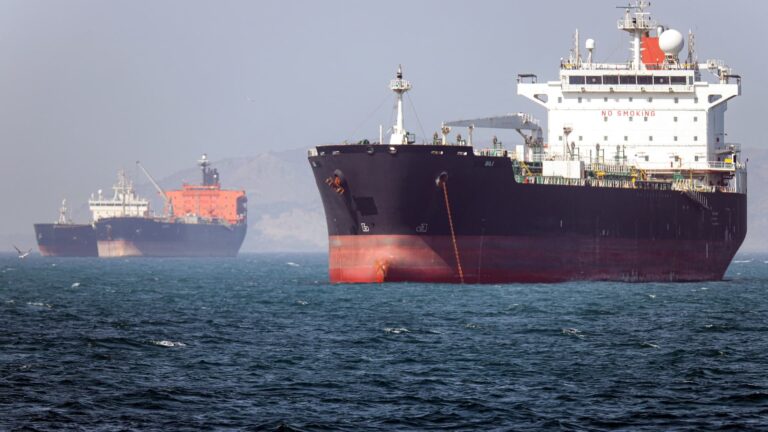
Beyond aviation, Trump indicated that China has agreed to increase its purchases of U.S. oil. While the exact volume remains undisclosed, this alignment is seen as a lever to pressure Iran and stabilize global energy prices.
| Sector | Outcome / Commitment | Analysis |
|---|---|---|
| Aerospace | 200 Boeing Jets | Strong win; exceeds 150-unit forecast. |
| AI Hardware | H200 Chip Approval | Critical for AI infrastructure growth. |
| Energy | U.S. Oil Purchases | Strategic play to offset Iran’s influence. |
| Diplomacy | Sept 24 US Visit | Ensures truce holds through Oct 2025. |
The Geopolitical Tightrope: Taiwan and Strategic Stability
Despite the economic gains, the summit did not resolve the core friction point: Taiwan. President Xi explicitly warned that any mishandling of the Taiwan issue could put the relationship in “great jeopardy.” Interestingly, both delegations admitted that substantive discussions on Taiwan were largely avoided to keep the trade talks on track.
Defining ‘Strategic Stability’
China is attempting to pivot the relationship from a series of erratic trade deals into a structured, three-year framework. This “strategic stability” is designed to create a predictable baseline for interactions, potentially insulating the relationship from the volatility of future U.S. election cycles.
As noted by analysts, this framework is less about friendship and more about mutual containment—ensuring that neither power triggers a full-scale economic war while they settle their ideological differences.
Why This Matters for the Global Market
For the average consumer and tech enthusiast, this summit means a slower descent into a “splinternet.” The inclusion of CEOs like Tim Cook and Elon Musk underscores the interdependence of the global supply chain. If the U.S. and China can maintain a trade truce, the cost of consumer electronics—from iPhones to EVs—is less likely to skyrocket due to tariffs.
However, the narrowness of the business delegation compared to previous trips to the Middle East suggests that the U.S. is being more selective about which industries it is willing to expose to the Chinese market.
What Happens Next
The world now looks toward September 24, when President Xi is expected to visit the United States. This follow-up meeting will be the ultimate test of whether the “strategic stability” framework is a genuine blueprint for peace or merely a temporary pause to allow both nations to rearm their economic arsenals before the October 2025 trade truce expiration.
Source: Official state media reports, White House press readouts, and Fox News interview transcripts.