Trump Ties Iranian Asset Release to Ceasefire, Signaling Hardline Stance Despite ‘Near’ Deal
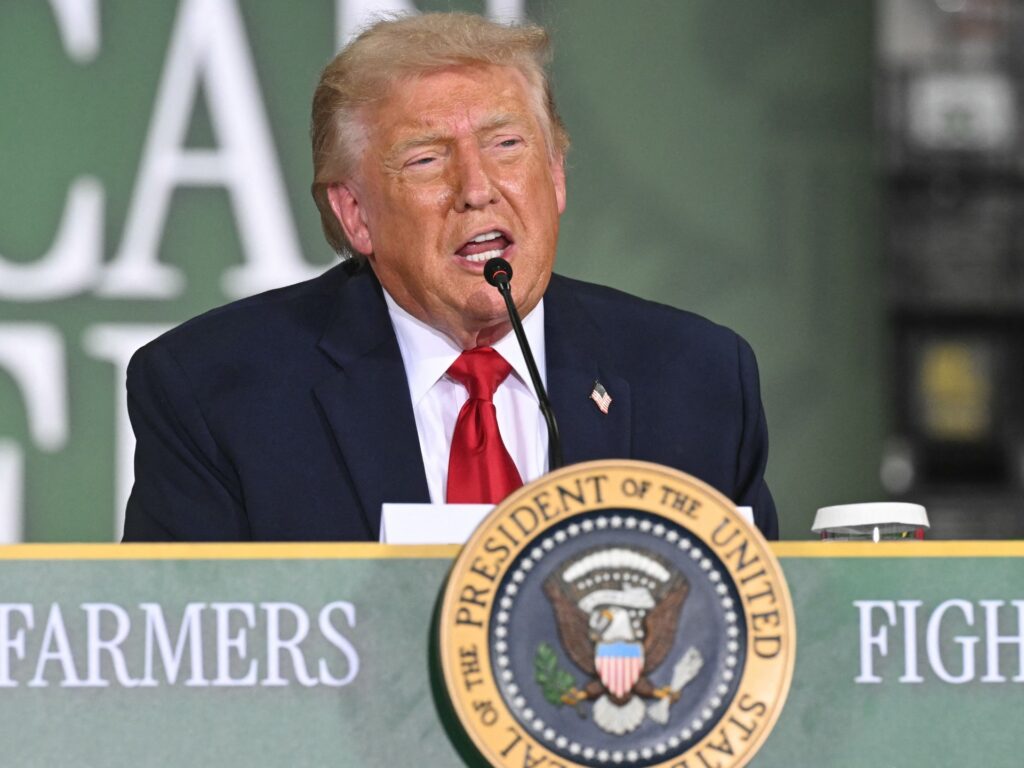
Table of Contents
The Asset Deadlock
President Donald Trump has explicitly ruled out the unfreezing of billions of dollars in Iranian assets as a precursor to a formal ceasefire, creating a significant diplomatic hurdle in the effort to end the current US-Israel war with Iran. Speaking during an interview on NBC News’ Meet the Press, the President emphasized that any movement on the frozen funds would only occur after a lasting agreement is finalized and implemented.
“If they behave, if they do a good job, we start talking,” Trump stated, framing the financial release as a reward for compliance rather than a negotiating chip. This stance directly clashes with Tehran’s requirements; Iranian officials have signaled that partial access to these funds is a non-negotiable prerequisite for any deal, citing a profound lack of trust in US commitments following previous diplomatic collapses.
A Question of Trust and Leverage
The friction centers on an estimated $100 billion held in global bank accounts, locked away by a complex web of US and international sanctions. For Tehran, these assets are not merely financial resources but a litmus test for the viability of the current negotiations. According to reports from Iranian state media, the government is specifically seeking an initial release of between $12 billion and $24 billion. Their proposed framework would see 50% of that amount released upon signing, with the remainder delivered in phases.
Mohsen Rezaee, a military adviser to Supreme Leader Ayatollah Mojtaba Khamenei, characterized the request as a “test of trust” in a CNN interview. The skepticism is grounded in historical precedent: the 2015 nuclear deal, which promised the gradual release of sanctions, was unilaterally abandoned by Trump in 2018. Since then, the geopolitical environment has deteriorated further, with the US launching two separate military operations against Iran while nuclear talks were ostensibly underway.
Escalation vs. Diplomacy
While the White House has publicly suggested a breakthrough is imminent, the rhetoric remains volatile. Trump’s interview, filmed in a Wisconsin barn, maintained his signature blend of optimism and threat. “We’re very close to a deal, or I’m going to blow the hell out of them,” he remarked, keeping the possibility of renewed strikes on the table.
The conflict is further complicated by the status of the Iranian leadership. President Trump indicated a willingness to engage directly with Ayatollah Mojtaba Khamenei, who assumed leadership following the death of his father, Ali Khamenei, shortly after US-Israeli strikes began on February 28. The younger Khamenei has remained out of the public eye since being wounded in early conflict strikes, leading to speculation about his current condition and capacity to govern.
The Lebanon Variable
Adding another layer of complexity is the ongoing conflict between Israel and Hezbollah in Lebanon. While Iran views these strikes as an extension of the war against its own interests, the Trump administration is attempting to decouple the two theaters. Trump stated he is “not demanding” that Lebanon be included in the ceasefire deal, while a US official told Al Jazeera that the administration holds Hezbollah “exclusively to blame” for the violence in the region.
This strategic separation is unlikely to satisfy Tehran. Iranian parliamentary speaker Mohammad Bagher Ghalibaf warned on Sunday that the combination of Israeli strikes in southern Beirut and the ongoing US naval blockade of Iranian ports could trigger a renewed wave of retaliation, potentially rendering the current ceasefire—which has largely held since April 8—obsolete.
As the standoff persists, the core pillars of the dispute—control of the Strait of Hormuz, the limits of Iran’s nuclear program, and the release of the $100 billion—remain unresolved, leaving the region in a precarious state of suspended animation.