Trump Pauses AI Security Executive Order, Citing Concerns Over U.S. Tech Dominance
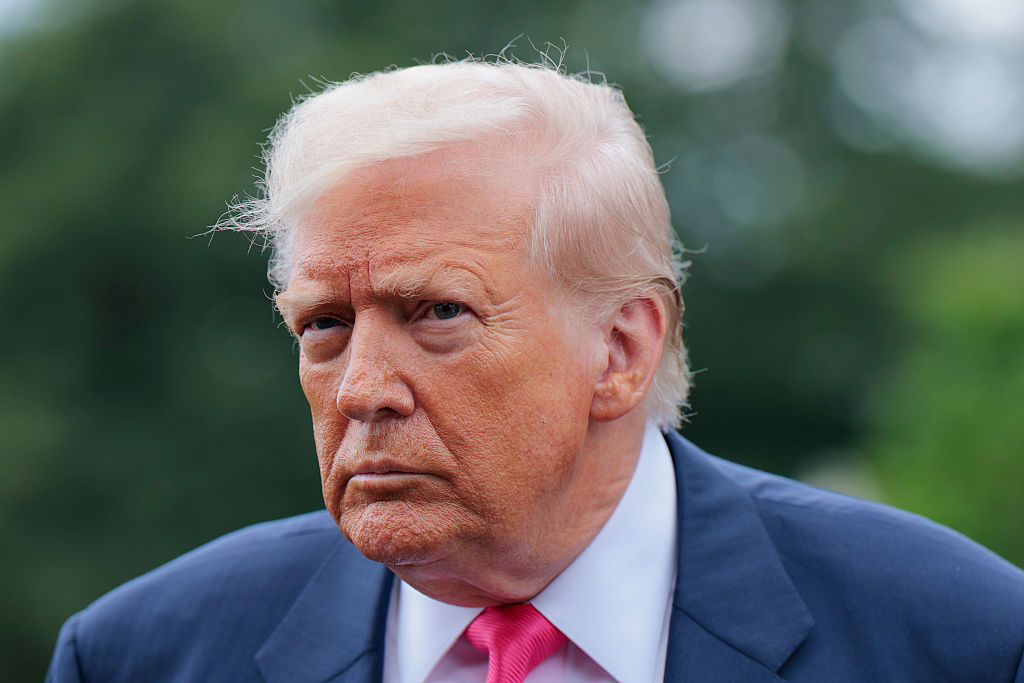
Table of Contents
A Strategic Pause in the AI Race
President Donald Trump has delayed the signing of a high-stakes executive order intended to grant the federal government oversight and evaluation powers over advanced AI models before they hit the public market. The move comes amid an escalating global arms race in artificial intelligence, where the administration is attempting to balance national security imperatives with a desire to maintain a frictionless environment for American tech developers.
Speaking to the White House press pool, Trump expressed dissatisfaction with the current drafting of the order, suggesting that the regulatory hurdles it would create might inadvertently benefit foreign adversaries. “I didn’t like certain aspects of it,” Trump said. “We’re leading China, we’re leading everybody, and I don’t want to do anything that’s going to get in the way of that leading.”
The delay highlights a recurring tension within the current administration: the struggle to mitigate the catastrophic risks of frontier AI models without imposing the kind of bureaucratic friction that could slow down the release cycles of companies like OpenAI, Google, and Anthropic.
The Friction Point: Pre-Release Access
At the heart of the dispute is a specific provision that would require AI developers to share their most advanced models with the government for a period of 14 to 90 days before a general launch. This window would allow the Office of the National Cyber Director and other federal agencies to stress-test models for systemic vulnerabilities or dual-use capabilities that could be weaponized by bad actors.
For the administration, however, this mandated waiting period is viewed by some as a potential “blocker.” In the fast-moving world of generative AI, a 90-day delay can be the difference between setting a global standard and falling behind a competitor. Trump’s hesitation suggests a pivot toward a more laissez-faire approach to domestic development, prioritizing speed and market dominance over preemptive safety auditing.
The Catalyst: ‘Cyber’ Models and Emergent Risks
The push for the executive order wasn’t arbitrary. It was driven by the emergence of highly specialized models designed for cybersecurity, some of which have demonstrated an unsettling proficiency at finding and exploiting software vulnerabilities. Specifically, the release of Anthropic’s Mythos and OpenAI’s GPT-5.5 Cyber has raised alarms within the intelligence community. These models are capable of automating complex hacking tasks that previously required human expertise, effectively lowering the barrier for cyberattacks on critical infrastructure.
National security officials have argued that if these tools are released without a government-led safety review, the U.S. could be introducing a volatile variable into its own digital ecosystem. By delaying the order, the White House is effectively leaving the responsibility of “red teaming” and safety gating in the hands of the private corporations themselves.
Logistics and the Politics of the Photo Op
Beyond the policy disagreements, there are reports that the signing was delayed for more pragmatic, albeit superficial, reasons. Sources indicate that several high-profile tech CEOs were unable to make it to Washington, D.C., on short notice. For an administration that leans heavily on the visual optics of leadership and industry alignment, a signing ceremony without the captains of the AI industry would have lacked the desired impact.
The delay leaves the AI industry in a state of precarious anticipation. While developers may welcome the lack of immediate regulation, the absence of a clear federal framework creates a vacuum of certainty for long-term investment. For now, the U.S. continues its sprint toward Artificial General Intelligence (AGI) with the guardrails still sitting on the drafting table.