Maritime Chaos: Iran Signals Strait of Hormuz Blockade Amid Escalating US Retaliation
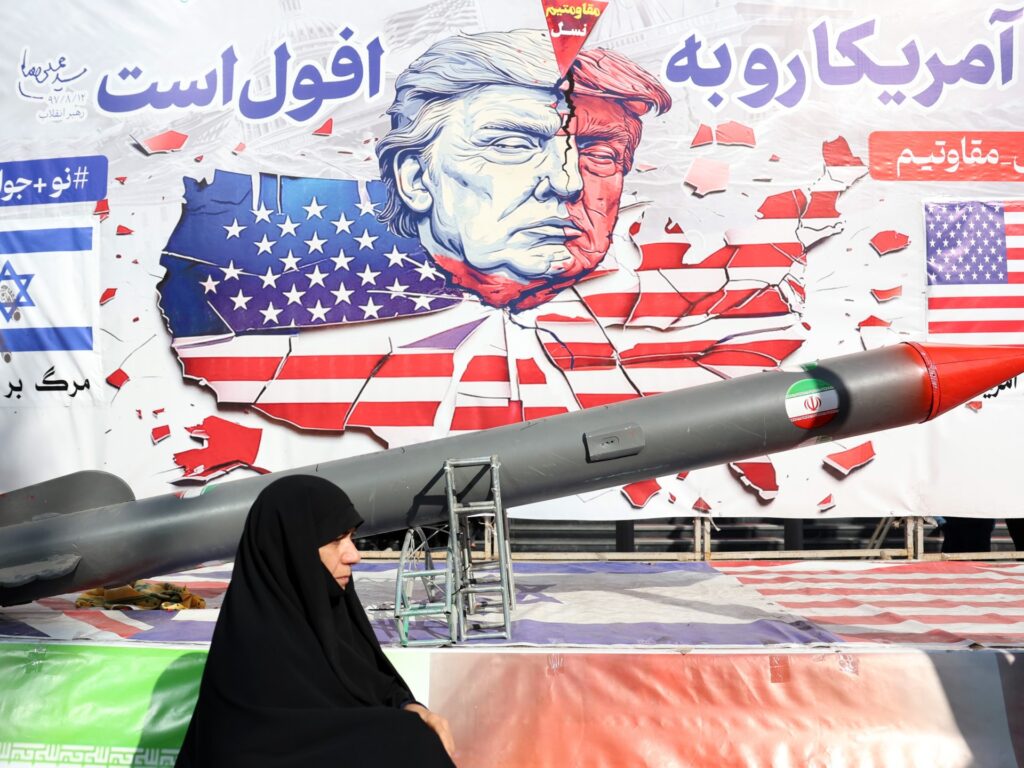
Table of Contents
A Strategic Chokepoint Under Siege
The geopolitical stability of the Middle East has reached a critical breaking point as Iran announced the closure of the Strait of Hormuz, effectively sealing one of the world’s most vital oil transit arteries. This move comes in direct response to a series of American kinetic strikes, marking a dangerous escalation in a conflict that has now entered its 104th day of active engagement.
The Strait, a narrow waterway separating Oman and Iran, is the only exit for oil exports from the Persian Gulf to the open ocean. By signaling a shutdown, Tehran is not merely attacking US military assets but is leveraging global energy dependency as a strategic weapon. Market analysts are already bracing for a massive spike in crude prices, as approximately one-fifth of the world’s total oil consumption passes through this corridor daily.
Targeting the US Footprint
Concurrent with the maritime blockade, Iranian officials confirmed that their forces have launched retaliatory strikes targeting US military bases across the region. While the specific number of casualties remains unconfirmed by the Pentagon, the precision of these strikes suggests a sophisticated coordination of drone and missile capabilities designed to challenge the US security umbrella in the Gulf.
The timing of these attacks is particularly volatile. Reports indicate that the Israeli army is currently attempting to translate its tactical military gains on the ground into political leverage, adding another layer of complexity to a regional conflict that is increasingly becoming a multi-front war. In the occupied West Bank, tensions have surged as a result of the broader regional instability, with local reports indicating a sharp increase in military activity and civilian displacement.
The Human Cost of Collateral Damage
The escalation has already yielded tragic results for neutral parties. In a somber update, an Indian government minister confirmed that three missing Indian seafarers were killed during a US strike. The incident underscores the extreme risk currently facing commercial shipping and civilian crews operating in the contested waters of the Middle East.
The death of these sailors highlights a recurring theme in this conflict: the blurring line between strategic military targets and civilian infrastructure. As the US and Iran engage in a cycle of “strike and retaliate,” the maritime lanes—which rely on a fragile consensus of international law—are being treated as active combat zones.
The Technical Stakes of Maritime Blockades
From a logistical standpoint, a total closure of the Hormuz Strait would necessitate a massive rerouting of global shipping, a feat that is technically impossible for the volume of tankers currently in the region. The reliance on the maritime logistics networks of the Gulf means that any prolonged blockade would lead to an immediate shortage of refined petroleum products globally.
Security experts suggest that Iran’s move is likely a calculated gamble to force a diplomatic ceasefire by threatening the economic stability of the West. However, the US Navy’s Fifth Fleet remains stationed in the region, and the potential for a forced reopening of the Strait—through direct naval engagement—remains the most likely, albeit most dangerous, resolution.