Trump Envoys Land in Doha: The Complex Geopolitics of the Qatar Mediations
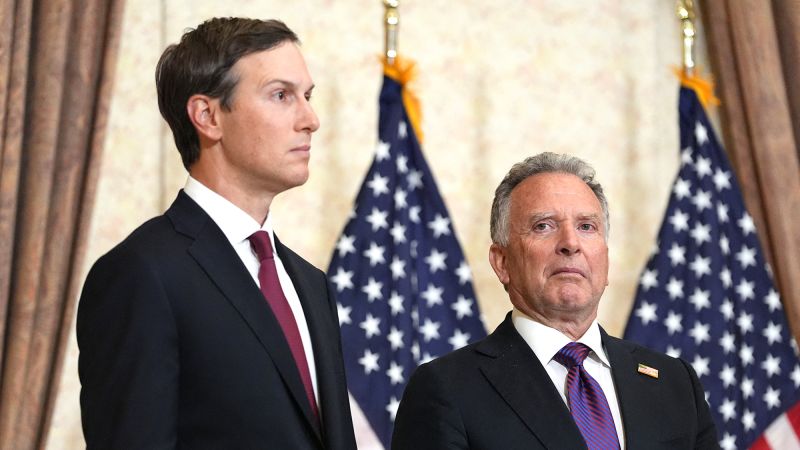
Table of Contents
A Diplomatic Pivot in Doha
The diplomatic architecture of the Middle East is shifting rapidly as US envoys Steve Witkoff and Jared Kushner arrived in Doha, Qatar, for high-stakes mediation talks. While President Donald Trump had previously signaled that the US would be meeting directly with Iranian officials on Tuesday, the reality on the ground in Doha is more nuanced. A spokesperson for Qatar’s Foreign Ministry clarified that the current visit is focused on meetings with Qatari mediators rather than direct face-to-face negotiations with Tehran.
This distinction is critical. By utilizing Qatar as a diplomatic conduit, the Trump administration is effectively balancing its ‘maximum pressure’ legacy with the pragmatic need for regional stability. Kushner, who played a central role in the Abraham Accords during Trump’s first term, brings a specific blueprint for regional realignment that prioritizes economic incentives and strategic security partnerships over traditional state-to-state diplomacy.
The Lebanon-Iran Nexus
The ripples of these Doha talks are being felt acutely in Jerusalem. Israeli Defense Minister Israel Katz recently revealed a strategic friction point between the US and Israeli administrations: the linking of the conflicts in Lebanon and Iran. According to Katz, Trump has insisted that any ceasefire talks must address the broader Iranian influence and the Lebanese theater as a single, interconnected issue.
Israel has historically preferred to treat the conflict with Hezbollah in Lebanon as a separate operational matter from the long-term nuclear and regional standoff with Iran. However, the US insistence on a holistic approach suggests that Washington views Hezbollah not as an independent local actor, but as a direct extension of Tehran’s strategic depth. Despite this disagreement on framing, Katz noted that Israel has received explicit US backing to maintain its presence in Lebanon until Hezbollah is comprehensively disarmed across the country, signaling a rare alignment on the tactical execution of the exit strategy.
Tensions in the Strait of Hormuz
While diplomacy plays out in luxury hotels in Doha, the physical security of global energy corridors remains a volatile flashpoint. The Strait of Hormuz, a narrow chokepoint for a significant portion of the world’s oil, has once again become the center of a sovereignty dispute regarding maritime safety. Following suggestions by French President Emmanuel Macron that a coalition including France and Oman would assist in the removal of naval mines, Iran has issued a sharp correction.
Iran’s deputy foreign minister stated unequivocally that the removal of these mines will be carried out solely by Iranian forces. This pushback is more than a technical disagreement over mine clearance; it is a calculated signal of sovereignty and a warning against foreign naval intervention in what Tehran considers its territorial waters. For the international community, the refusal to allow multilateral assistance increases the risk of miscalculation in one of the world’s most sensitive shipping lanes.
The convergence of these three threads—the secret diplomacy in Doha, the strategic linking of Lebanese-Iranian conflicts, and the maritime standoff in the Gulf—suggests a new, more aggressive era of American engagement in the region. The Trump administration is attempting to orchestrate a complex reconfiguration of power, using intermediaries to maintain leverage while applying pressure on both the tactical and strategic fronts.