The DCU’s First Stumble: Why ‘Supergirl’ Is a Warning Sign for James Gunn’s Cinematic Ambitions
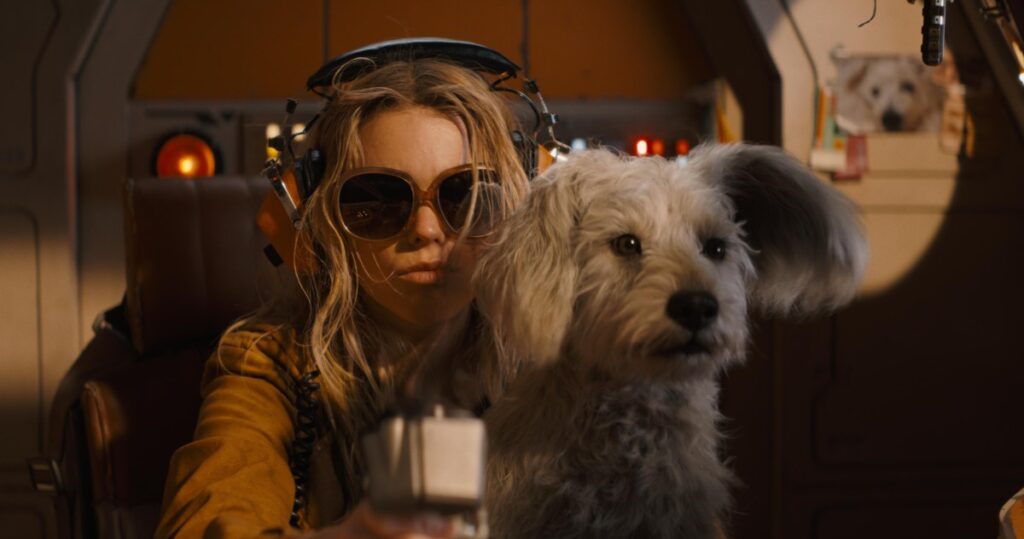
Table of Contents
A Costly Debut for Kara Zor-El
The honeymoon phase for James Gunn’s revamped DC Universe (DCU) may be ending sooner than Warner Bros. Discovery expected. While the initial rollout of the new cinematic trajectory felt promising, the theatrical debut of Supergirl has landed with a thud, signaling potential systemic issues in how the studio is scaling its interconnected storytelling.
The numbers are sobering. Early tracking suggests the film is on a trajectory to lose WBD between $100 million and $120 million. In an era of ‘superhero fatigue,’ a single flop is rarely a death knell, but for a reboot specifically designed to erase the chaotic legacy of the previous DCEU, the failure of Supergirl to resonate with audiences is a strategic red flag. It suggests that the brand’s current approach—relying on niche comic runs rather than broad-appeal icons—might be a gamble that isn’t paying off.
The ‘Gunn-ification’ of DC
Loosely adapted from the Tom King and Bilquis Evely miniseries Supergirl: Woman of Tomorrow, the film casts Milly Alcock as Kara, a more cynical, volatile version of the Kryptonian archetype. The plot follows Kara on an interstellar odyssey, fueled by grief and a penchant for substance abuse, which culminates in a rescue mission for her dog, Krypto.
The central problem is one of identity. Although directed by Craig Gillespie and written by Ana Nogueira, Supergirl feels less like a distinct vision and more like a Guardians of the Galaxy derivative. From the needle-drops and the ‘junky starship’ aesthetic to the inclusion of a manic, comics-accurate Lobo (played by Jason Momoa), the film mirrors Gunn’s signature style too closely. This stylistic overlap prevents the movie from carving out its own space, making it feel like a thematic echo rather than a new chapter.
The Struggle for Distinction
Beyond the aesthetic, the film struggles with a fundamental character problem: how to make Supergirl feel different from Superman. Despite the narrative push to highlight Kara’s brutality and moodiness, she remains an indestructible alien whose primary vulnerability is a lack of yellow sunlight. The film attempts to create tension by stripping her of her powers, but the repetition of these scenes feels mechanical rather than organic.
Furthermore, the script falls back on the very tropes James Gunn promised to avoid. While Superman wisely bypassed the repetitive origins of Clark Kent, Supergirl spends a disproportionate amount of time rehashing the destruction of Krypton. This reliance on flashbacks slows the pacing and fails to provide the emotional depth needed to justify Kara’s erratic behavior.
A Risky Roadmap
This failure calls into question the broader roadmap for DC Studios. Gunn has consistently implored fans to trust his vision of an interconnected world, yet the decision to prioritize a Green Lantern series and a Clayface film over the immediate re-introduction of A-list pillars like Batman or Wonder Woman seems increasingly optimistic.
WBD is now in a precarious position. While Marvel is currently navigating its own reset, they have the luxury of returning to established winners like the X-Men. DC, by contrast, is attempting to build a foundation on lower-profile characters. If the studio cannot make a Kryptonian—one of the most powerful entities in fiction—feel fresh and commercially viable, the road to a cohesive universe becomes significantly steeper.