Trump Dismisses Potential Collapse of Iran Talks, Claims Hezbollah Ceasefire Agreement
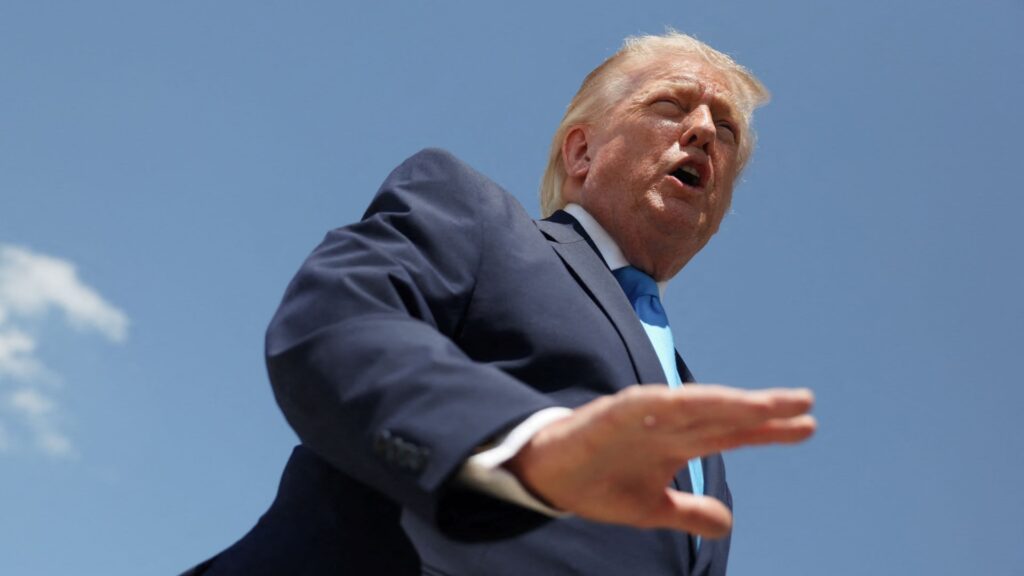
Table of Contents
A Nonchalant Approach to Diplomatic Collapse
President Donald Trump signaled a stark indifference toward the potential collapse of diplomatic negotiations with Iran on Monday, telling CNBC that he “couldn’t care less” if the talks come to an end. The comments follow reports that Iranian negotiators were prepared to walk away from the table and potentially obstruct the Strait of Hormuz—a critical maritime chokepoint for global energy supplies—in response to Israeli military operations against Hezbollah in Lebanon.
In a phone interview with CNBC’s Eamon Javers, Trump characterized the protracted discussions as having become “very boring,” suggesting that the Iranian side had spent too much time attempting to “tap along” the U.S. administration without reaching a definitive conclusion. Despite the high stakes of the geopolitical friction, Trump maintained that the Iranians had not officially informed him of their intent to cease negotiations, dismissing such reports as theater designed for the media.
Contradictory Claims on Hezbollah and Lebanon
While dismissing the Iran track, Trump claimed to be managing a separate, high-stakes resolution regarding Hezbollah. In a series of posts on Truth Social, the President stated he had a “productive call” with Israeli Prime Minister Benjamin Netanyahu, asserting that an agreement had been reached to prevent troops from entering Beirut.
More strikingly, Trump claimed to have communicated with Hezbollah through “highly placed representatives,” alleging that both parties agreed to a cessation of hostilities. According to Trump, the agreement ensures that Israel will not attack the militia and Hezbollah will reciprocate. However, this narrative was immediately complicated by Prime Minister Netanyahu, who took to X (formerly Twitter) to reinforce a more aggressive stance. Netanyahu stated that if Hezbollah continues attacking Israeli cities and citizens, Israel will target terror assets in Beirut, emphasizing that the IDF’s planned operations in southern Lebanon remain unchanged.
The Oil Market and the Hormuz Gambit
The diplomatic instability sparked immediate volatility in energy markets. Prices spiked after the Iranian state news outlet Tasnim reported that Tehran would halt negotiations and clamp down on the Strait of Hormuz. This move historically serves as Iran’s most potent economic lever, as a blockade could trigger a global energy crisis by cutting off a significant portion of the world’s seaborne oil.
Trump, however, remained unperturbed by the market swing. He predicted that oil prices would “drop like a rock” in the near future, arguing that the U.S. possesses sufficient domestic energy reserves to weather a disruption. In a nuanced pivot, he suggested that American consumers would be willing to tolerate temporary price hikes at the pump if they understood the strategic necessity of preventing Iran from acquiring a nuclear weapon.
NATO and the Burden of Security
The conversation shifted to the role of international alliances when Javers questioned Trump on the prospect of NATO assistance in keeping the Strait of Hormuz open. Trump’s response was characteristic of his critical view of the alliance, stating that the U.S. does not “need NATO” and describing the organization as “very weak and very sad.”
Trump argued that NATO allies, who are more dependent on Middle Eastern oil than the U.S., should be the ones bearing the burden of securing the strait. When asked if he had requested their participation, he admitted he was unsure if he even wanted their help, reinforcing a transactional approach to security and alliance management.
As of Monday evening, the disconnect between the White House’s claims of a Hezbollah deal and the Israeli government’s insistence on continued military operations suggests a fragmented diplomatic landscape, leaving the actual status of the U.S.-Iran ceasefire in a state of precarious ambiguity.