Trump Claims ‘Final Negotiations’ for Iran-Israel Peace as Netanyahu Rejects Premature End to Conflict
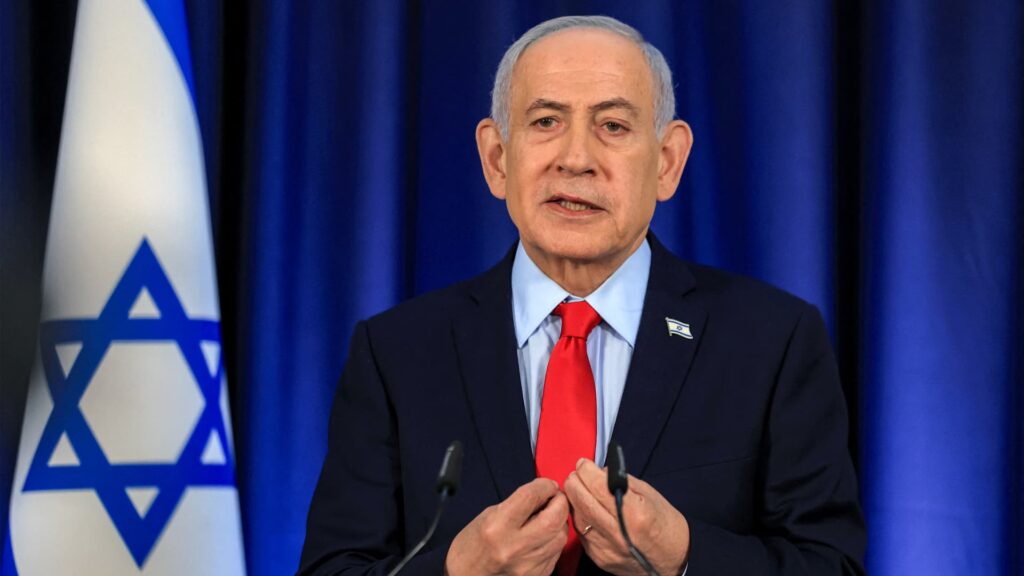
Table of Contents
A Fragile Pause in Hostilities
The geopolitical landscape of the Middle East remains precariously balanced after a weekend of renewed kinetic exchanges between Israel and Iran. While Tehran’s Ministry of Foreign Affairs informed CNBC on Monday that the Islamic Republic has ceased its current wave of strikes against Israel, the reprieve is conditional. Iranian officials have made it clear that hostilities will resume immediately should the Israel Defense Forces (IDF) continue their offensive operations within Lebanon.
This cautious silence follows a Sunday night escalation where both nations traded strikes for the first time since a tentative ceasefire was brokered in mid-April. The friction point remains Lebanon; Iran alleges that Jerusalem has systematically violated the truce through targeted strikes on Beirut’s southern suburbs. In response to these claims, Israel reported the execution of a “large-scale strike on strategic defense systems,” framing the move as a necessary preemptive measure against Iranian proxies.
Netanyahu’s Defiance of a ‘Final’ Solution
Despite the dip in active missile fire, Israeli Prime Minister Benjamin Netanyahu has pushed back against the narrative of an imminent peace. In a statement on Monday, Netanyahu asserted that the war against Iran and its Lebanon-based proxy, Hezbollah, “has not yet ended.” While he acknowledged that both adversaries are currently “weaker than ever,” his rhetoric suggests that the Israeli government is not yet satisfied with the strategic degradation of Iranian assets in the region.
This stance puts Netanyahu in direct ideological conflict with the current U.S. administration’s public posturing. The disconnect highlights a recurring tension between tactical military objectives on the ground and the diplomatic pressures exerted by Washington.
The Trump Factor and the ‘Final Deal’
Adding a layer of volatility to the situation is President Donald Trump, who has taken to Truth Social to signal that a resolution is within reach. Trump claimed that both Israel and Iran are actively seeking an “immediate CEASEFIRE,” stating that final negotiations for a comprehensive peace are currently proceeding. However, he added a caveat, noting that these talks are “subject to ignorance or stupidity getting in its way.”
Trump’s approach appears to be one of maximum leverage. He confirmed that the U.S. blockade of Iranian ports in the Gulf of Oman—a critical choke point for energy exports—will remain in place until a “Final Deal” is signed. This economic pressure is being used as a primary tool to force Tehran to the negotiating table.
In a revealing phone call with the Financial Times on Sunday, Trump shifted from diplomatic optimism to blunt assertion, claiming that Netanyahu “won’t have any choice” but to accept a U.S.-negotiated framework. His reasoning was succinct: “I call all the shots.”
Divergent Realities in Tehran
While the White House suggests a deal is imminent, the view from Tehran is markedly more cynical. An Iranian official told MS NOW on Sunday that a deal with the Trump administration is “no longer feasible at this stage.” The official went further, blaming Trump’s own policies for the destabilization of Lebanon and the subsequent escalation of hostilities.
This discrepancy suggests that the “final negotiations” touted by Trump may be occurring in a vacuum, or at least without the full buy-in of the Iranian clerical and military establishment. The 100-day mark of this conflict—which Trump initially predicted would conclude in four to six weeks—now serves as a reminder of the gap between political projection and the reality of asymmetric warfare.
The economic ripples of this instability were felt immediately on Monday, though oil prices eventually pulled back from session highs after an initial surge of more than 5%, reflecting the market’s anxiety over a potential total collapse of the ceasefire.