Trump Brokers Fragile Lebanon Ceasefire to Salvage High-Stakes Iran Diplomacy
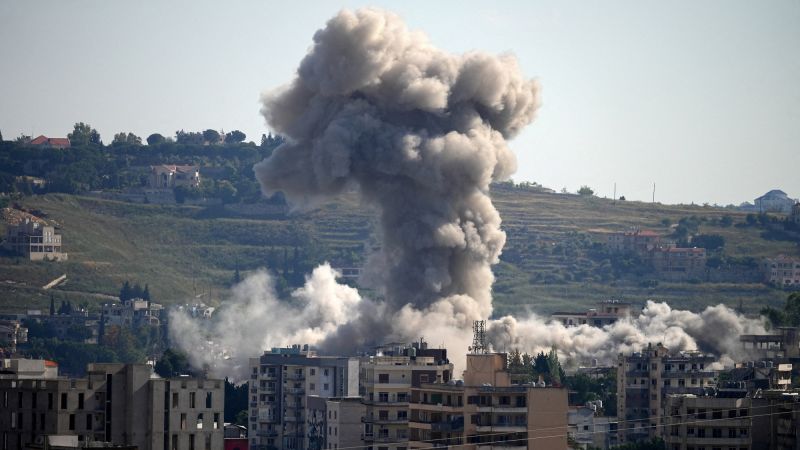
Table of Contents
A Diplomatic Tightrope in the Middle East
The precarious balance of power in the Middle East teetered on the edge of a systemic collapse Monday, as an Israeli offensive in Lebanon nearly derailed critical U.S.-led negotiations with Iran. The diplomatic friction peaked when Iranian state media announced a suspension of talks with Washington, citing Israeli violations of ceasefire terms. However, the volatility was met with an aggressive intervention from President Donald Trump, who claims to have steered the situation back from the brink.
At the center of the crisis is the Strait of Hormuz, a global energy chokepoint. President Trump told ABC News that a deal to reopen the Strait and extend the current ceasefire with Tehran remains reachable within the next week, though he cautioned that several key points still require resolution before a formal agreement is signed. While the White House maintains that diplomacy is moving at a “rapid pace,” the reality on the ground in Lebanon suggests a much more fragile arrangement.
The Beirut Stand-off and White House Friction
The tension reached a boiling point during a heated telephone exchange between President Trump and Prime Minister Benjamin Netanyahu. Sources familiar with the call report that the conversation became adversarial as Trump pressed the Israeli leader to scale back military operations in Lebanon. The U.S. President reportedly used expletives to convey his disapproval of a planned major raid on Beirut, fearing that such an escalation would provide Iran with the necessary pretext to permanently walk away from the negotiating table.
The intervention appears to have yielded a partial victory. Lebanese authorities confirmed that Iran-backed Hezbollah has agreed to a U.S. proposal for a ceasefire that would halt strikes on Beirut. While Trump declared that Israeli forces would not move on the Lebanese capital, Netanyahu maintained a harder line, stating that Israel would continue its operations in southern Lebanon to degrade Hezbollah’s capabilities.
The Economic Cost of Conflict
Beyond the immediate military skirmishes, the broader conflict with Iran is exerting significant pressure on global energy markets. To mitigate a supply crisis and stabilize oil prices, the Trump administration has been forced to dip deeply into the Strategic Petroleum Reserve (SPR). Federal data reveals that approximately 58 million barrels—roughly 14% of the stockpile—have been released since the onset of the hostilities.
This aggressive draw-down has left the SPR with 357.1 million barrels of crude, the lowest level recorded since January 2024. The reliance on emergency reserves underscores the high economic stakes of the current diplomatic gamble; a total collapse of talks with Iran could trigger a price shock that the U.S. energy infrastructure may struggle to absorb.
Internal Turmoil in Israel
While the U.S. manages the external crisis, Israel is facing a burgeoning internal political storm. In the early hours of Tuesday morning, the Knesset passed a first-reading bill to dissolve the parliament and call for early elections, potentially occurring between September 8 and October 20. The bill passed with a unanimous 106-0 vote, though it requires two further readings to become law.
The move is largely driven by Netanyahu’s ultra-Orthodox coalition partners, who are leveraging the threat of early elections to force a law exempting ultra-Orthodox men from mandatory military service. This internal power struggle complicates Netanyahu’s position, as he must balance the demands of his coalition with the immense pressure from the White House to pivot toward a broader regional de-escalation.
As Qatar continues to mediate behind the scenes to preserve the nominal ceasefire in southern Lebanon, the window for a comprehensive agreement remains narrow. The coming week will determine if Trump’s “glitch” management is enough to secure a lasting peace or if the regional volatility will once again override diplomatic efforts.