The YouTube-to-Cinema Pipeline: How A24 and Indie Horror are Weaponizing Creator Audiences
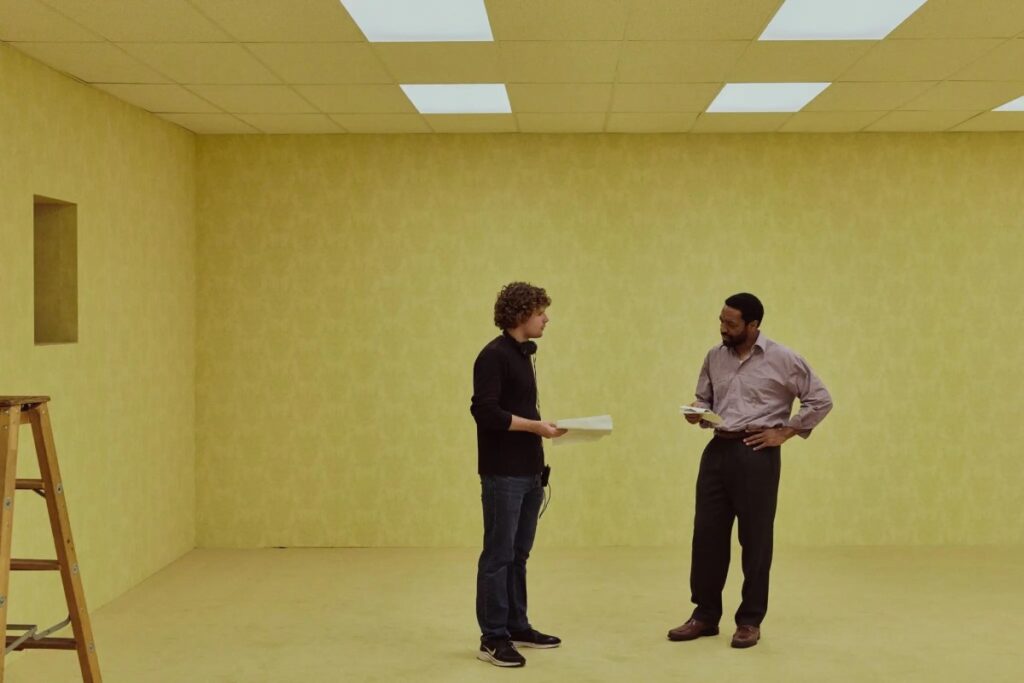
Table of Contents
A New Guard at the Multiplex
The traditional pipeline for directing a major motion picture—film school, shorts, and a series of low-budget indie features—is being bypassed by a new generation of digital natives. This weekend, the domestic box office provided a stark illustration of this shift, as two of the top three films were helmed by directors who built their reputations not in Hollywood, but on YouTube.
Leading the pack is Backrooms, a feature-length expansion of the surreal, liminal-space horror series created by Kane Parsons. Based on a conceptual 4chan thread that evolved into a global internet phenomenon, the film is currently obliterating records for indie studio A24. With an estimated $81 million domestic opening, Backrooms has far surpassed the previous A24 record held by Civil War, which opened to $25.7 million. The scale of this success suggests that the ‘creator-to-cinema’ transition is no longer just about niche appeal; it is about scalable, pre-baked audiences that can be activated on a massive scale.
The Statistical Anomaly of ‘Obsession’
While Backrooms represents a massive opening burst, the second-place film, Obsession, demonstrates a different, perhaps more disruptive, kind of success. Directed by Curry Barker—who previously gained traction with the 2024 found-footage project Milk & Serial—the film opened with a modest $26.4 million. However, the movie’s trajectory defies standard industry physics.
In the current theatrical landscape, wide-release films typically see a second-weekend drop-off of 50% to 70%. Even acclaimed hits rarely see a growth in ticket sales after the initial launch. According to data cited by The Hollywood Reporter, Obsession is the first film since 1982 to experience growth across both its second and third weekends. This ‘reverse decay’ suggests a powerful word-of-mouth engine, likely fueled by social media algorithms that amplify organic user reviews and ‘reaction’ culture far more effectively than traditional studio marketing campaigns.
Beyond the Algorithm: The Longevity Factor
This trend isn’t an isolated incident. Earlier this year, Mark Fischbach (known to millions as Markiplier) directed the adaptation of Iron Lung, which grossed nearly $41 million domestically. The common thread between Parsons, Barker, and Fischbach is not simply their presence on YouTube, but their longevity on the platform.
Alex DelVecchio, general manager of Rutgers Cinema, notes that the ‘YouTube-to-filmmaker boomlet’ has seen many creators fail when attempting the leap to the big screen. The difference for this current cohort is the depth of their relationship with their audience. Unlike influencers who pivot to film based on fame, these directors have spent years refining a specific visual language and building a trust-based community. For Parsons, who is only 20, and Barker, 26, the platform served as a multi-year apprenticeship in editing, pacing, and audience psychology.
The Legacy Studio Struggle
The disruption is most evident when compared to legacy intellectual property. Both Backrooms and Obsession outperformed The Mandalorian and Grogu, the first Star Wars cinematic entry in seven years, which is on track for $24 million this weekend. This indicates a shifting preference among Gen Z and Millennial audiences: the allure of a massive franchise is occasionally outweighed by the authenticity and specific aesthetic of a creator-led project.
As Barker prepares to direct a remake of The Texas Chainsaw Massacre, the industry is facing a critical question: are these creators simply lucky, or is the gatekeeping mechanism of Hollywood permanently broken? When a 20-year-old can outdraw a Star Wars property, the power dynamic has clearly shifted from the studio executive to the creator with a loyal subscriber base.