The Witcher 3’s Legacy: How CD Projekt Red Redefined the Open-World RPG
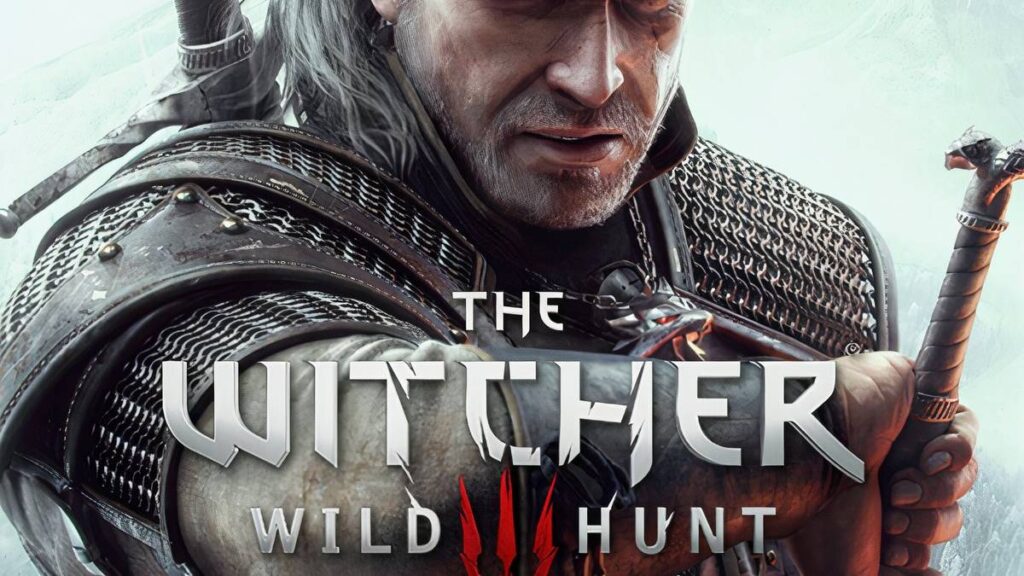
Table of Contents
Beyond the Fetch Quest: A New Standard for Narrative
When CD Projekt Red released The Witcher 3: Wild Hunt, the industry was saturated with open-world titles that relied heavily on ‘map-clearing’—the repetitive cycle of ticking off icons via monotonous fetch quests. The introduction of Geralt of Rivia to a broader global audience didn’t just provide a compelling protagonist; it challenged the fundamental architecture of the Action-RPG.
At its core, the game operates as a sophisticated monster-hunting simulator, but its true innovation lies in its moral ambiguity. Unlike many contemporaries that utilized a binary ‘Good vs. Evil’ karma meter, The Witcher 3 forced players into a grey area where decisions had tangible, often delayed, consequences. A choice made in a side contract in Velen could ripple outward, altering the political landscape of Novigrad or the ultimate fate of Ciri, the Child of Prophecy.
Technical Ambition Across Platforms
The sheer scale of the Continent is a testament to the technical ambition of the Polish studio. From the claustrophobic, muddy alleys of war-torn villages to the sprawling, vibrant streets of Novigrad, the world feels lived-in rather than procedurally generated. The game’s deployment across a vast array of hardware—ranging from the Nintendo Switch and PlayStation 4 to the high-fidelity capabilities of the Xbox Series X and PS5—highlights its enduring accessibility and the scalability of its engine.
For the player, this translates to a gameplay loop that balances high-octane combat with methodical investigation. The use of a range of upgradeable weaponry, mutating potions, and combat magic isn’t just for flavor; it’s a mechanical requirement for surviving the diverse bestiary. Whether tracking a necrophage through a mountain pass or dealing with a supernatural predator in a city slum, the game demands a level of preparation that separates it from the ‘hack-and-slash’ tropes of the era.
The Interplay of Economy and Leisure
One of the most overlooked aspects of the game’s design is how it integrates non-combat activities into the primary loop. The inclusion of Gwent—the in-game collectible card game—evolved from a simple distraction into a cultural phenomenon within the gaming community, proving that players were hungry for deep, tactical systems even within a massive adventure title.
This is mirrored in the game’s economic system. Rewards from monster contracts aren’t just currency for better steel swords; they are the means by which Geralt interacts with the world, from investing in custom armor to engaging in fist-fighting and horse racing. These elements provide the necessary friction and pacing, ensuring the player isn’t simply rushing from one cinematic climax to the next.
A Lasting Influence on the Genre
Retrospective reviews, including early critical acclaim that positioned it as a definitive Game of the Year contender, point to a specific kind of cohesion: the marriage of a dense plot with a permissive world. While the game was not without its launch-day bugs or occasional pacing lulls, its influence is visible in nearly every major RPG that followed. The shift toward ‘meaningful’ side content, where a secondary objective can feel as weighty as the main quest, is a direct result of the blueprint laid out by CD Projekt Red.
As the industry moves toward more AI-driven NPCs and dynamic environments, the foundational work done in The Witcher 3 remains the benchmark for how to build a world that feels reactive, dangerous, and profoundly human.