The ‘Walk-In’ Breach: FBI Warns Law Firms of Physical Social Engineering by Silent Ransom Group
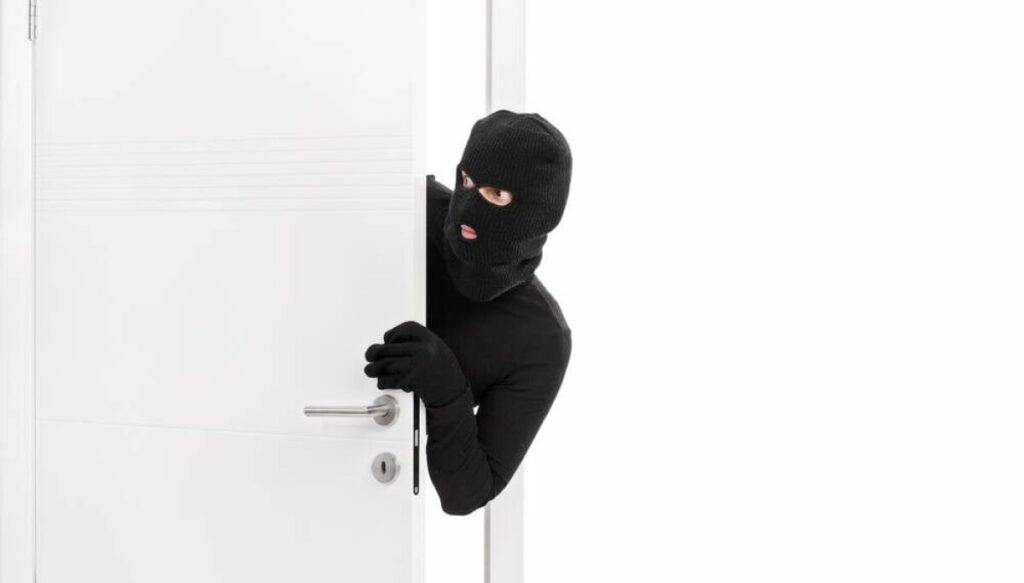
Table of Contents
Beyond the Firewall: The Rise of Physical Intrusions
Cybersecurity is typically framed as a battle of firewalls and encrypted tunnels, but a recent FBI advisory reveals that some of the most effective attacks are happening in broad daylight. The Silent Ransom Group (SRG), a sophisticated extortion crew active since 2022, is increasingly bypassing digital defenses by simply walking through the front door of U.S. law firms.
The FBI’s latest warning highlights a disturbing trend in ‘physical social engineering.’ When remote attempts to compromise a network fail, SRG operatives are reportedly visiting law offices in person. Posing as company IT representatives, these attackers leverage the inherent trust employees place in technical support staff to gain direct access to hardware.
Once inside, the ruse is simple but effective: the attackers claim they need to image a device or create a backup file to ‘assess damage’ from a previous phishing attempt. In reality, they are plugging thumb drives into workstations to exfiltrate highly sensitive legal data. This tactical pivot underscores a critical gap in many professional services firms: while they may have invested in software security, their physical access controls remain porous.
The Mechanics of the ‘Callback’ Playbook
Physical intrusions are the final escalation in a multi-stage attack chain. SRG’s primary entry vector remains ‘callback phishing.’ This method deviates from traditional phishing by moving the interaction from the screen to the phone. Attackers send SMS messages or emails alerting an employee to a fake problem—such as an unauthorized subscription charging a small monthly fee—and provide a phone number for ‘cancellation.’
When the victim calls, the operator maintains the persona of an IT professional and convinces the employee to grant remote desktop access. Once inside the system, SRG operatives elevate their privileges and deploy tools like WinSCP or modified versions of Rclone to scrape data. In some instances, the group leverages a firm’s own trusted infrastructure, such as Google Drive or Microsoft OneDrive, to move stolen documents without triggering security alerts.
Unlike traditional ransomware gangs, SRG doesn’t typically encrypt files. Instead, they operate a dedicated data leak site (DLS), utilizing a pure extortion model. They steal the data and demand payment for its return, threatening to leak the sensitive information publicly if the firm refuses to pay.
High-Stakes Targets and the Legal Sector
The FBI notes that while SRG initially targeted a broad array of industries, they have pivoted heavily toward the legal sector since 2023. The motive is clear: law firms hold a concentration of privileged information, trade secrets, and strategic corporate data that is far more valuable on the extortion market than standard corporate spreadsheets.
The high profile of these targets is evident in recent claims. The group recently listed the global law giant Jones Day on its leak site. While Jones Day confirmed a ‘cyber phishing incident’ in April, they did not explicitly name SRG as the culprit. This gap between attacker claims and corporate admissions is common in the extortion world, where firms often prefer to handle breaches quietly to avoid client panic.
Hardening the Perimeter
The FBI is urging law firms to treat their USB ports as primary attack vectors. The agency recommends that organizations strictly disallow the connection of external drives to company-issued devices, particularly those handling confidential case files. This technical control, combined with stricter visitor verification protocols at office entrances, is the only way to mitigate the risk of a ‘walk-in’ breach.
For remote threats, the agency suggests blocking port 22 to prevent unauthorized encrypted remote access and implementing phishing-resistant Multi-Factor Authentication (MFA). Most importantly, the FBI emphasizes that staff training must evolve beyond ‘don’t click the link’ to include the reality that an attacker may actually show up at their desk.