The Uncanny Valley of Companionship: Why Pet Robots Are Finally Moving Beyond Gimmicks
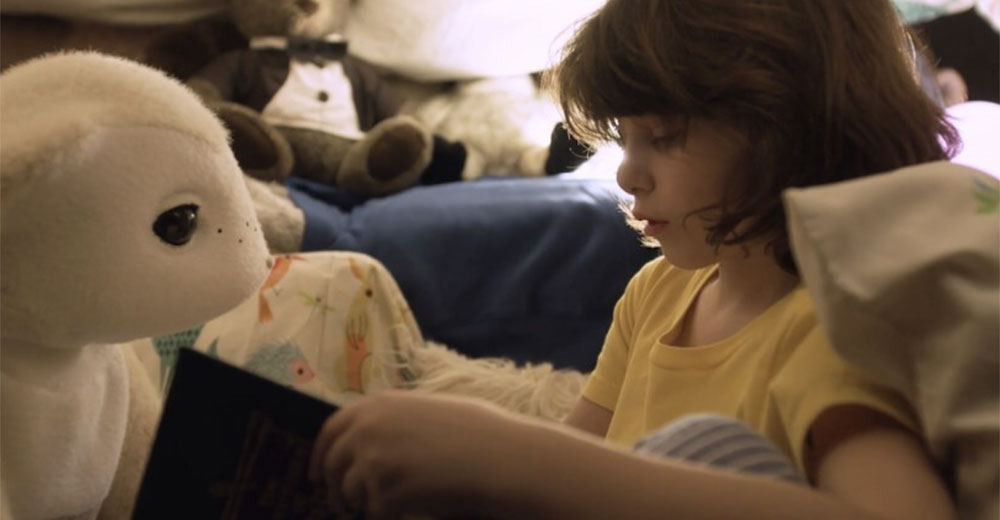
Table of Contents
The end of the ‘toy’ era
For decades, the promise of the robotic pet was trapped in a loop of novelty and disappointment. We had the Aibo of the early 2000s—charming, but limited—and a sea of plastic animals that could barely navigate a living room without getting stuck on a rug. They were toys, not companions. But a convergence of Large Language Models (LLMs), advanced actuators, and edge computing is finally pushing social robotics out of the uncanny valley and into something that feels genuinely responsive.
The shift isn’t just about better hardware; it’s about the move from scripted behavior to generative intelligence. Previous generations of pet robots relied on a decision tree: if the user pets the head, play ‘happy.mp3’. Modern iterations are beginning to integrate multimodal AI, allowing them to recognize specific faces, interpret the tone of a human voice, and evolve their personalities based on the history of their interactions.
The hardware hustle: Unitree and the agility gap
While Sony’s Aibo continues to hold the gold standard for emotional design, new players like Unitree are attacking the problem from a different angle. Instead of focusing solely on the ‘cuteness’ factor, they are leveraging the agility of quadrupedal robots used in industrial settings. When you combine high-torque motors with AI-driven balance, the resulting movement is no longer jerky or mechanical—it’s fluid.
This physical realism is critical. For a robotic pet to be convincing, it must master the ‘micro-gesture.’ The slight tilt of a head, the hesitation before a jump, or the way a robot ‘breathes’ while idling. These are the signals humans use to subconsciously assign empathy to an object. When these movements are generated by an AI observing the user in real-time, the bond changes from a user-device relationship to something resembling a social connection.
The psychology of digital attachment
The industry is now leaning heavily into ‘Emotion AI’—software designed to detect human affective states. By analyzing facial expressions via onboard cameras and processing vocal inflection through microphones, these robots can now distinguish between a user who is frustrated and one who is sad. This allows the robot to pivot its behavior, offering a ‘comfort’ gesture or a playful distraction without a direct command.
However, this raises a complex ethical question: is a simulated bond a valid one? In elderly care facilities, social robots like Paro the seal have already shown measurable success in reducing loneliness and agitation in dementia patients. The fact that the ‘pet’ isn’t biological is secondary to the neurological response the human experiences. The brain, it seems, is surprisingly willing to accept a digital surrogate if the feedback loop is consistent and rewarding.
The looming challenge of longevity
Despite the leaps in AI, the industry still faces a massive hurdle: the ‘honeymoon phase.’ Many consumers buy a high-tech pet, spend three weeks obsessing over its features, and then let it gather dust once the novelty wears off. To combat this, developers are shifting toward ‘evolving’ AI. Instead of a static personality, the robot’s software is designed to grow, learn new tricks over months, and develop a unique ‘history’ with its owner.
As we move toward more integrated smart homes, the pet robot is likely to stop being a standalone gadget and start acting as the emotional interface for the rest of the house. Imagine a robotic dog that doesn’t just play fetch, but notices you’ve had a stressful day and automatically dims the lights and starts your favorite playlist. At that point, the robot is no longer just mimicking a pet—it’s becoming a proactive domestic assistant with a heartbeat made of code.