The Tiny Tech Problem: Why Your Smartwatch Is Still Designed to Die
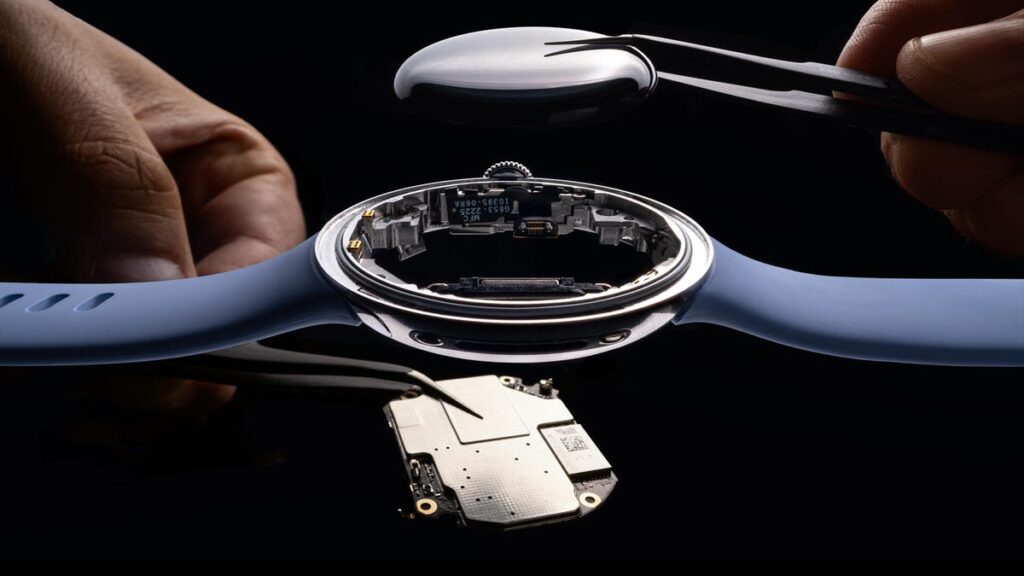
Table of Contents
The High Cost of Miniaturization
For the average consumer, the lifecycle of a smartwatch is frustratingly predictable: a few years of peak performance followed by a battery that can’t hold a charge or a cracked screen that costs nearly as much to replace as the device is worth. While the industry has made strides in the repairability of smartphones and laptops, wearables remain the final frontier of “disposable” tech.
The challenge is fundamentally one of physics. To achieve the sleek, water-resistant forms users demand, manufacturers have historically relied on industrial adhesives—essentially gluing the devices shut. This makes internal access nearly impossible without destroying the chassis. When a single capacitor fails or a battery degrades, the entire unit often becomes electronic waste.
The Google Experiment
In a departure from industry norms, Google has attempted to pivot the design philosophy with the Pixel Watch 4. Unlike its predecessors and competitors from Apple or Samsung, Google re-engineered the device to move away from heavy adhesive reliance. This shift allows for a level of disassembly and reassembly that was previously unheard of in the smartwatch category.
According to Kyle Wiens, CEO of iFixit, Google “swung for the fences” by designing the hardware to be serviced without the catastrophic risk of breaking the screen or casing upon entry. However, “repairable” does not necessarily mean “easy.” Even with a design focused on serviceability, the process requires specialized tools—such as spudgers and precision tweezers—and a level of manual dexterity that borders on the surgical.
The Regulatory Gap
The push toward repairability isn’t just a design choice; it’s becoming a legal requirement. By early 2025, every US state had introduced some form of right-to-repair legislation, with ten laws currently in active effect. Across the Atlantic, the EU Right to Repair Directive is slated to bring similar pressures to manufacturers, compelling them to make parts and manuals available to independent shops and consumers.
Yet, there is a significant lag between legislative victory and consumer reality. While laptops and phones have seen a trickle-down effect in parts availability, the wearable ecosystem remains stunted. There are few dedicated repair cafes for smart rings or AI-integrated glasses, and the “Genius Bar” model remains largely focused on replacement rather than component-level repair for wearables.
Environmental and Economic Stakes
The stakes extend beyond the convenience of a fixed screen. The proliferation of wearables—from health-tracking rings to AI peripherals—is accelerating. Each device requires the mining of rare earth minerals and contributes to a growing mountain of e-waste. Extending the lifecycle of a device by even two years significantly reduces the environmental footprint and the reliance on unethical mining practices in vulnerable regions.
For the consumer, it is a matter of ownership. As devices become more expensive and deeply integrated into our health data, the ability to maintain that hardware becomes a matter of digital autonomy. If a user cannot replace a battery in a device that monitors their heart rate, they don’t truly own the device; they are merely leasing it until the manufacturer decides it’s obsolete.
The Pixel Watch 4 proves that a repairable wearable is technically possible. The question now is whether the rest of the industry will follow suit, or if the convenience of a glued-shut chassis will continue to outweigh the necessity of a sustainable tech ecosystem.