The ‘This is Fine’ Dog Finds a Settlement: KC Green and AI Startup Artisan Resolve Copyright Clash
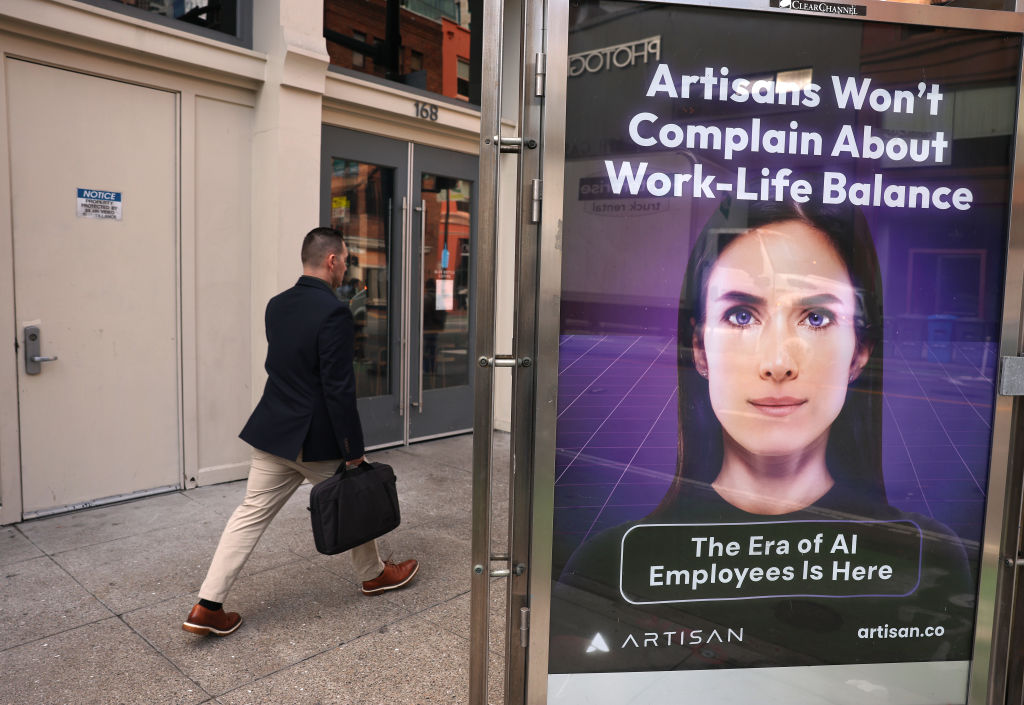
Table of Contents
A Match Made in Corporate Chaos
For nearly a decade, KC Green’s “This is Fine” dog has served as the universal shorthand for enduring a catastrophe with forced optimism. Ironically, the artist himself found himself in a very literal version of that scenario recently, battling an AI startup that attempted to co-opt his most famous creation for its own corporate gains.
The dispute began when Artisan, a startup promoting its AI-driven business development representative (BDR) named Ava, launched a series of aggressive transit advertisements across New York City and San Francisco. The ads featured a dog that bore an unmistakable resemblance to Green’s character, sitting in a room consumed by flames. However, in a pivot toward corporate jargon, the caption was changed from the iconic “This is fine” to “My pipeline is on fire,” with a call to action urging businesses to “Hire Ava the AI BDR.”
The move was a clear attempt to leverage the cultural capital of a global meme to sell a B2B software tool. But for Green, the use of the imagery wasn’t a clever nod to internet culture—it was a blatant theft of intellectual property.
The Friction Between Memes and IP Law
The reaction from Green was swift and visceral. Taking to social media, the artist described the incident as a case of his work being “stolen like AI steals,” drawing a direct line between the specific unauthorized use of his art and the broader, systemic grievances artists have toward generative AI models that scrape data without consent.
Green’s frustration extended beyond the immediate copyright violation. In conversations with media outlets, he expressed the exhaustion that many independent creators feel when faced with the legal resources of venture-backed startups. The prospect of navigating the American court system to protect a piece of art—time that could be spent creating new comics—highlighted a power imbalance that defines the current era of AI development.
In a rare moment of digital grassroots activism, Green even urged his followers to “vandalize” the physical ads if they encountered them in the wild, turning the corporate campaign into a public relations liability for Artisan.
The Resolution
The standoff ended as quickly as it began. Artisan’s founder and CEO, Jaspar Carmichael-Jack, stated that the company maintains “a lot of respect for Green and his work,” signaling a desire to move past the controversy without a prolonged legal battle.
Green has since confirmed that the two parties reached a settlement rapidly. As part of the agreement, Artisan has scrubbed the offending advertisements from the streets of New York and San Francisco. In exchange, Green removed his initial social media posts calling for the boycott and vandalism of the ads.
The Broader Context of AI ‘Borrowing’
While this specific case was a matter of traditional copyright infringement—using an image in an ad—it serves as a microcosm for the larger war between creators and AI companies. The phrasing “stolen like AI steals” is a nod to the ongoing lawsuits involving companies like Stability AI and Midjourney, where artists argue that the very foundation of these models is built on non-consensual data harvesting.
By leveraging a high-profile meme, Artisan attempted to bridge the gap between cutting-edge tech and relatable internet culture. Instead, they reminded the industry that memes, while free to share among users, are still the property of their creators when they enter the realm of commercial advertising. For now, the flames have been extinguished, and the “This is Fine” dog is once again the sole owner of its existential dread.


