The ‘This is Fine’ Artist and AI Startup Artisan Settle Copyright Dispute Over Subway Ads
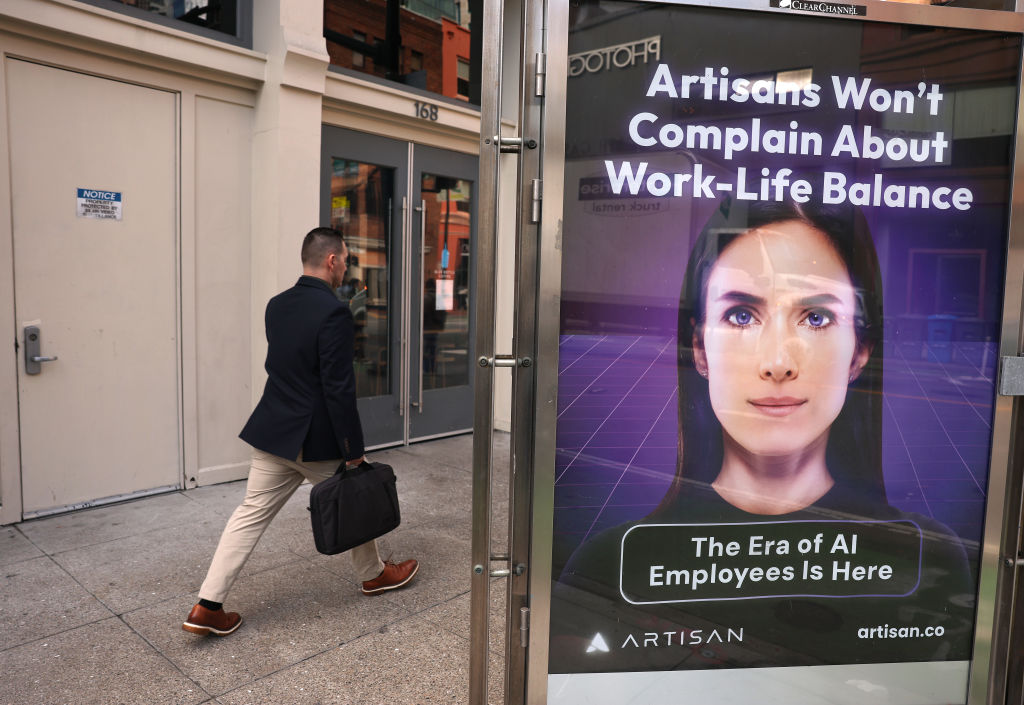
Table of Contents
A Meme in the Crosshairs of Generative AI
For over a decade, KC Green’s “This is fine” comic has served as the internet’s definitive shorthand for systemic collapse and forced optimism. The image of a dog sitting calmly in a room engulfed in flames is more than just a meme; it is a piece of intellectual property that has survived the transition from Webcomics to global digital culture. However, that ownership was recently tested when Artisan, an AI startup, decided to leverage the image for a high-visibility advertising campaign in New York and San Francisco.
The friction began when commuters noticed bus and subway ads promoting Artisan’s AI assistant, Ava. The ads featured a clear derivative of Green’s character, positioned in a familiar blaze, but with a corporate twist. Instead of the original caption, the dog declared, “My pipeline is on fire,” while the surrounding text encouraged businesses to “Hire Ava the AI BDR” to solve their sales automation woes.
The choice of imagery was an attempt to tap into the “relatability” of professional burnout, but for Green, it was a blatant case of corporate appropriation. He didn’t mince words on social media, stating that his work had been “stolen like AI steals.” The frustration wasn’t just about the specific ad, but a broader pattern of how generative AI companies often treat existing art as free training data or promotional fodder without seeking permission or offering compensation.
The Tension Between ‘Fair Use’ and Brand Appropriation
The dispute highlighted a growing tension in the AI industry: the line between a cultural reference and a copyright violation. While memes are often shared and modified freely by users, the context changes entirely when a venture-backed company uses that modification to drive commercial revenue. By incorporating Green’s specific stylistic markers and character design into a paid ad campaign, Artisan moved beyond the realm of internet humor into the territory of commercial infringement.
Green expressed a particular weariness regarding the legal machinery required to protect creators in the AI era. In a statement to TechCrunch, he noted the exhaustion of having to “try my hand at the American court system” rather than spending that creative energy on his comics. This sentiment echoes a larger movement among digital artists who feel they are fighting an uphill battle against companies with significantly deeper pockets and a “move fast and break things” ethos.
A Swift Resolution
Despite the initial public outcry—which included Green urging his followers to “vandalize” the physical ads—the legal standoff ended relatively quickly. Jaspar Carmichael-Jack, the founder and CEO of Artisan, stated that the company maintains a high level of respect for Green and his contribution to digital art. This public pivot from “disruptor” to “admirer” often precedes a settlement in the tech world, especially when the brand risk of being labeled as “anti-artist” outweighs the benefit of a few subway billboards.
The two parties reached a settlement shortly after the public escalation. As part of the agreement, Artisan has removed the offending advertisements from transit hubs in New York and San Francisco. In return, Green removed his initial social media posts calling for the campaign’s downfall.
While the financial terms of the settlement remain confidential, the outcome serves as a cautionary tale for AI startups. As companies like OpenAI and Midjourney continue to face massive class-action lawsuits over data scraping, the Artisan incident proves that even “small” creative appropriations can trigger significant backlash and legal liability. For KC Green, the resolution ensures that the only thing on fire in his world is the comic—not his legal correspondence.


