The ‘This is Fine’ Artist and AI Startup Artisan Settle Copyright Clash Over Meme Ads
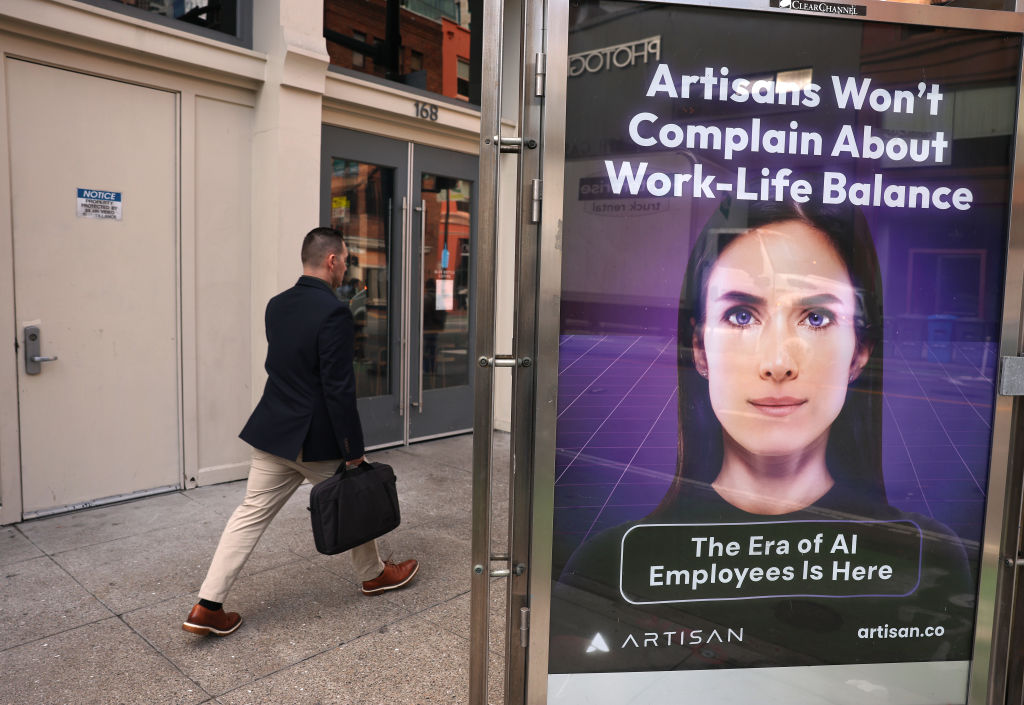
Table of Contents
A Flame-Filled Marketing Misstep
For years, KC Green’s “This is Fine” dog has served as the internet’s definitive shorthand for enduring a catastrophe with forced composure. It is a piece of digital culture so ubiquitous that it often transcends the identity of its creator. However, the AI startup Artisan discovered the hard way that ubiquity does not equal public domain.
The conflict ignited when Artisan launched a series of physical advertisements across New York City and San Francisco. The ads, appearing in subway stations and on buses, featured a character that bore an unmistakable resemblance to Green’s dog, sitting amidst a blaze of orange flames. The punchline—”My pipeline is on fire”—was a direct play on the original meme, designed to pivot the viewer toward “Ava,” Artisan’s AI-powered Business Development Representative (BDR).
The campaign was an attempt to use a well-known cultural touchstone to sell the efficiency of AI automation. Instead, it became a flashpoint for the ongoing tension between generative AI companies and the human artists whose work often informs the tools—and marketing—of the new tech economy.
From Social Media Outrage to Legal Threats
Green did not take the appropriation lightly. Taking to social media, the artist framed the incident not as a simple marketing oversight, but as a symptom of a broader industry trend. He described his work as having been “stolen like AI steals,” drawing a direct line between the unauthorized use of his character in a billboard and the way Large Language Models (LLMs) and image generators scrape artist portfolios without consent or compensation.
The reaction was visceral. Green urged his followers to “vandalize” the ads if they encountered them in the wild, effectively turning the campaign into a public relations nightmare for the startup. In discussions with the press, Green expressed a weariness shared by many in the creative community: the frustration of being forced to navigate the complexities of the American court system to protect basic intellectual property rights, rather than spending that time on his actual craft.
For Artisan, the situation was a stark reminder that the “move fast and break things” ethos of Silicon Valley often crashes head-first into the rigid protections of copyright law. While many AI startups argue that training models on public data constitutes “fair use,” the explicit use of a copyrighted character in a paid advertising campaign is a much clearer-cut legal violation.
The Terms of the Truce
The resolution came surprisingly quickly. Jaspar Carmichael-Jack, the founder and CEO of Artisan, stated that the company held “a lot of respect” for Green and his body of work. Shortly after the public outcry reached a fever pitch, both parties confirmed they had reached a settlement.
The terms of the agreement, while not fully disclosed, involved immediate corrective action. Artisan agreed to remove all offending advertisements from the New York and San Francisco markets. In exchange, Green removed his initial social media posts calling for the ads’ destruction. While the financial specifics remain confidential, the speed of the settlement suggests a company eager to avoid a prolonged legal battle that could have set an unfavorable precedent for how AI companies utilize intellectual property in their branding.
The Broader Implications for AI Branding
This skirmish is a microcosm of the current legal volatility surrounding AI. As startups race to humanize their AI agents—like Artisan’s Ava—there is a growing temptation to lean on existing internet culture to create instant relatability. However, as this case demonstrates, the line between a “meme” and a “commercial asset” is a dangerous one to cross without a license.
The incident mirrors a wider trend of artists fighting back against the systemic appropriation of their styles. From the high-profile lawsuits against Stability AI and Midjourney to individual creators calling out specific brands, the era of the “free ride'” for AI companies regarding creative assets is beginning to close. When an AI company uses a human artist’s work to sell a product that may eventually replace that artist’s role, the optics are rarely in the company’s favor.
For now, the flames around the dog have been extinguished, and the ads are gone. But for the creative class, the settlement is less a victory and more a reminder that the defense of their work remains a constant, uphill battle in the age of automation.


